THE ADVENTURE COLLECTIVE® · Independent discovery and booking for outdoor travel

A focused full-day game drive that follows the Tarangire River where dry-season water concentrates wildlife. Expect large elephant herds, baobab-studded vistas, and concentrated wildebeest and zebra activity on a 6–7 hour loop.
A focused full-day game drive that follows the Tarangire River where dry-season water concentrates wildlife. Expect large elephant herds, baobab-studded vistas, and concentrated wildebeest and zebra activity on a 6–7 hour loop.
You arrive before the sun fully breaks over the savanna, and the Tarangire River cuts a cool, silver line through a landscape of baobabs and Acacia woodland. Early light picks out the ribs of granitic ridges while elephants, unconcerned, move toward the river; distant zebras and wildebeest cluster where seasonal water concentrates life.
Verified experiences and guided adventures in the surrounding area.
Operated by MORAKA AFRICA SAFARIS · Arusha, Manyara Region
You arrive before the sun fully breaks over the savanna, and the Tarangire River cuts a cool, silver line through a landscape of baobabs and Acacia woodland. Early light picks out the ribs of granitic ridges while elephants, unconcerned, move toward the river; distant zebras and wildebeest cluster where seasonal water concentrates life.
Tarangire covers roughly 2,850 km² in northern Tanzania and is defined by its river and the long-distance migrations that funnel wildlife into the park during dry months. Geologically the park alternates between granite highlands and river valley, which produces pockets of seasonally flooded grassland and trapping basins like the Silale Swamp.
The park’s human story includes Maasai pastoralists whose seasonal grazing patterns shaped local routes, and a park designation in the late 20th century intended to safeguard those migration corridors. Culturally, game drives are low-impact ways to observe animals; guides interpret behavior while minimizing disturbance.
Practical guidance: this is a full-day game drive—expect about 6–7 hours of viewing on compacted dirt roads with stops for sightings and a midday lunch. Bring binoculars and a camera with a telephoto lens; sun and dust are constant, and mornings are best for active predators and birdlife. Hydrate, layer for temperature swings, and follow your guide’s distance rules around elephants and prides of lion. Road surfaces can be bumpy; suspension and motion-sickness preparations help. A day here feels elemental—wildlife driven by water, baobabs standing like old keepers—and it rewards patience and a straightforward kit.
easy.
6–7 hours.
Suitable for most fitness levels—mostly seated game driving with short walks possible
The advertised game viewing portion is about 6 hours within a full-day schedule (roughly 6–7 hours total in park including stops).
Yes—Tarangire is famous for large elephant aggregations, especially near the river during the dry season.
The tour is described as accessible for a wide range of fitness levels and wheelchair accessible options are noted, but confirm vehicle specifics and stroller needs with the operator.
Dry months concentrate elephants, wildebeest, zebra and many ungulates near water; predators like lions and cheetahs follow the prey movements.
Tarangire was designated a national park to protect seasonal migration routes and water sources that local Maasai and wildlife depend on.
Tourism revenue supports anti-poaching and community programs; visitors should avoid off-track driving and follow guides to minimize disturbance.
MORAKA AFRICA SAFARIS operates guided outdoor trips and adventures with an emphasis on safety, stewardship, and memorable experiences.
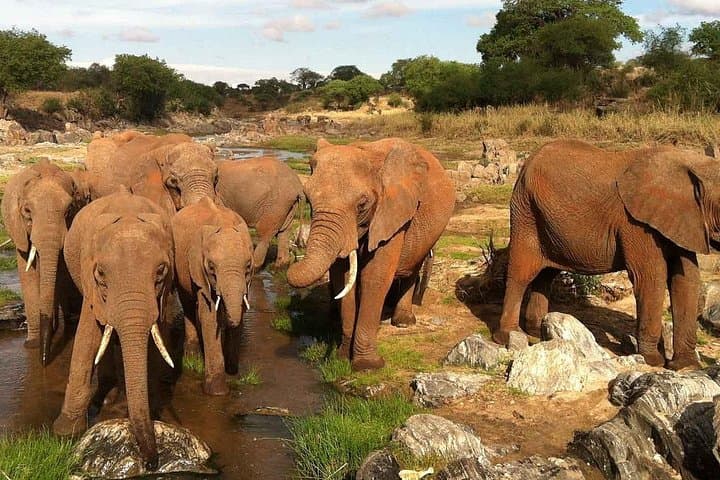
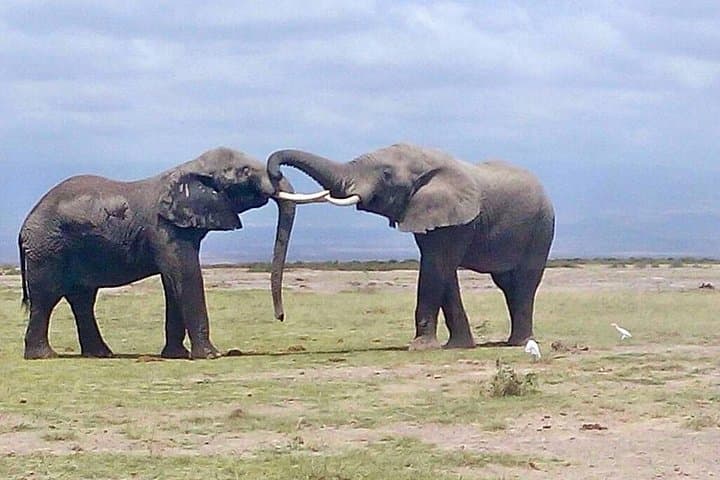
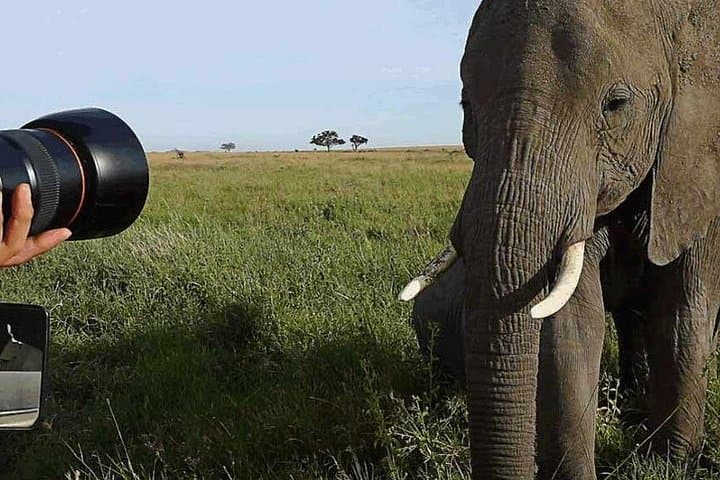
You arrive before the sun fully breaks over the savanna, and the Tarangire River cuts a cool, silver line through a landscape of baobabs and Acacia woodland. Early light picks out the ribs of granitic ridges while elephants, unconcerned, move toward the river; distant zebras and wildebeest cluster where seasonal water concentrates life.
You arrive before the sun fully breaks over the savanna, and the Tarangire River cuts a cool, silver line through a landscape of baobabs and Acacia woodland. Early light picks out the ribs of granitic ridges while elephants, unconcerned, move toward the river; distant zebras and wildebeest cluster where seasonal water concentrates life.
Tarangire covers roughly 2,850 km² in northern Tanzania and is defined by its river and the long-distance migrations that funnel wildlife into the park during dry months. Geologically the park alternates between granite highlands and river valley, which produces pockets of seasonally flooded grassland and trapping basins like the Silale Swamp.
The park’s human story includes Maasai pastoralists whose seasonal grazing patterns shaped local routes, and a park designation in the late 20th century intended to safeguard those migration corridors. Culturally, game drives are low-impact ways to observe animals; guides interpret behavior while minimizing disturbance.
Practical guidance: this is a full-day game drive—expect about 6–7 hours of viewing on compacted dirt roads with stops for sightings and a midday lunch. Bring binoculars and a camera with a telephoto lens; sun and dust are constant, and mornings are best for active predators and birdlife. Hydrate, layer for temperature swings, and follow your guide’s distance rules around elephants and prides of lion. Road surfaces can be bumpy; suspension and motion-sickness preparations help. A day here feels elemental—wildlife driven by water, baobabs standing like old keepers—and it rewards patience and a straightforward kit.