THE ADVENTURE COLLECTIVE® · Independent discovery and booking for outdoor travel

A concentrated day safari that follows the Tarangire River’s pull on wildlife, this five-hour trip from Arusha offers close-up encounters with elephants, giraffes and predators in a landscape shaped by the Great Rift Valley. Ideal for travelers short on time who want high-density wildlife viewing.
A concentrated day safari that follows the Tarangire River’s pull on wildlife, this five-hour trip from Arusha offers close-up encounters with elephants, giraffes and predators in a landscape shaped by the Great Rift Valley. Ideal for travelers short on time who want high-density wildlife viewing.
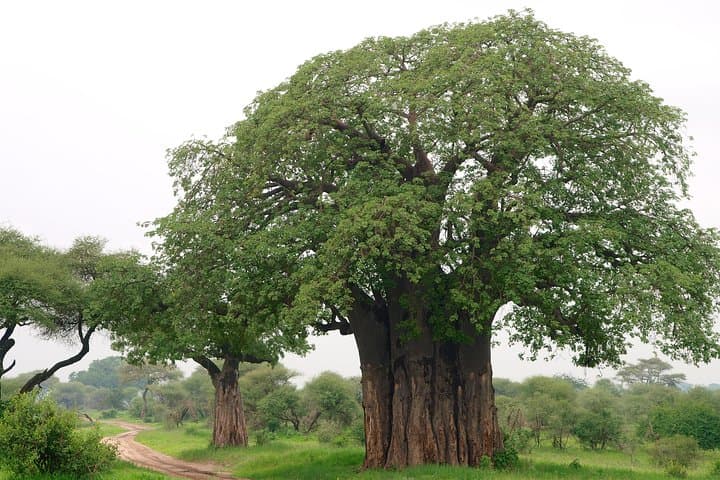
Dust rises on the track as the vehicle eases through acacia-lined plains; a band of impala lifts its heads and the Tarangire River, steady and commanding, threads the landscape like a slow-moving artery. On a five-hour day trip into Tarangire National Park visitors exchange the bustle of Arusha for open skies, baobab silhouettes and concentrated wildlife viewing driven by the river’s rhythms.
Verified experiences and guided adventures in the surrounding area.
Operated by Skylink Safaris · Tarangire National Park, Manyara Region
Dust rises on the track as the vehicle eases through acacia-lined plains; a band of impala lifts its heads and the Tarangire River, steady and commanding, threads the landscape like a slow-moving artery. On a five-hour day trip into Tarangire National Park visitors exchange the bustle of Arusha for open skies, baobab silhouettes and concentrated wildlife viewing driven by the river’s rhythms.
Tarangire sits on the edge of the Great Rift Valley and covers roughly 2,600 square kilometers. Its red-soil plains and seasonal swamps are shaped by volcanic geology and riverine deposits; the perennial Tarangire River makes this park a dry-season magnet for elephants, buffalo, and predators. The Maasai people have grazed the surrounding steppe for generations, and their traditional land use and stories remain visible around the park’s fringes.
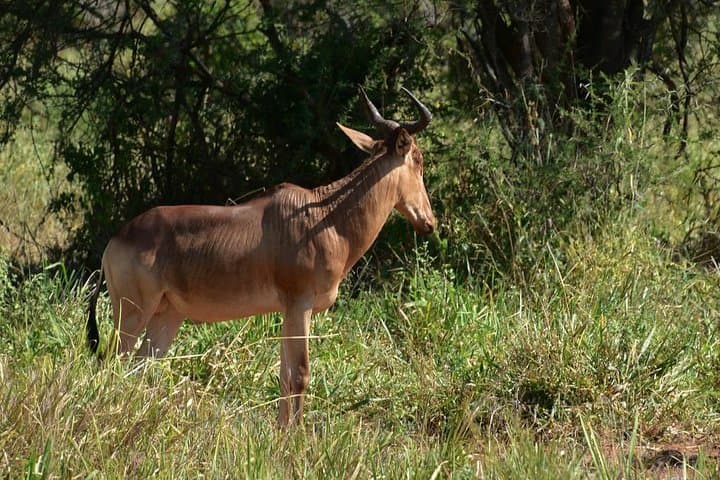
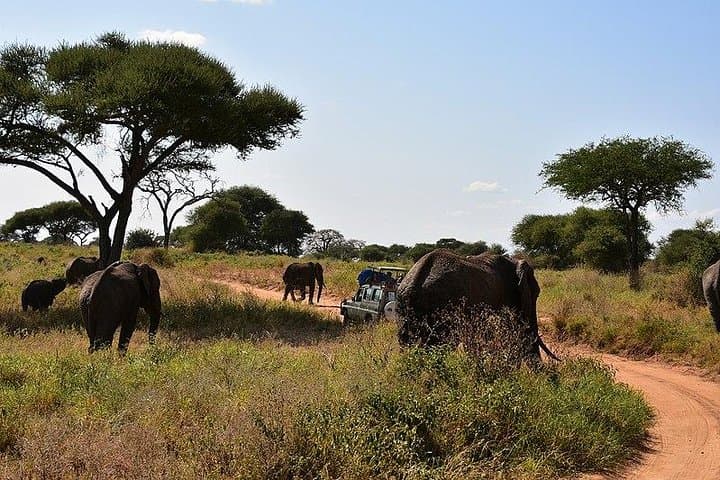
Expect game drives from an open or closed 4x4 with a guide who times sightings around waterholes and shaded riverine forest. Wildlife encounters are often close and sustained—elephant herds crossing, giraffes browsing, and lions lounging where prey concentrates. Photography windows are brief between vehicle maneuvers, so keep gear ready and lenses covered when not shooting.
Practical pointers: depart early to catch cooler light and active animals, bring layered sun protection, and carry cash for park fees or tips. Vehicles are air-conditioned but bumpy—secure loose items and maintain a low profile to avoid spooking wildlife. For a single-day safari that maximizes sightings with limited travel time, Tarangire delivers concentrated big-game viewing framed by ancient baobabs and a river that insists the land keep moving.
easy.
5 hours.
Minimal fitness required—mostly vehicle-based with short walks possible; able-bodied enough to enter/exit a safari vehicle repeatedly.
Drive time is typically 1.5–2.5 hours each way depending on traffic and road conditions; plan for a full day including transit and park time.
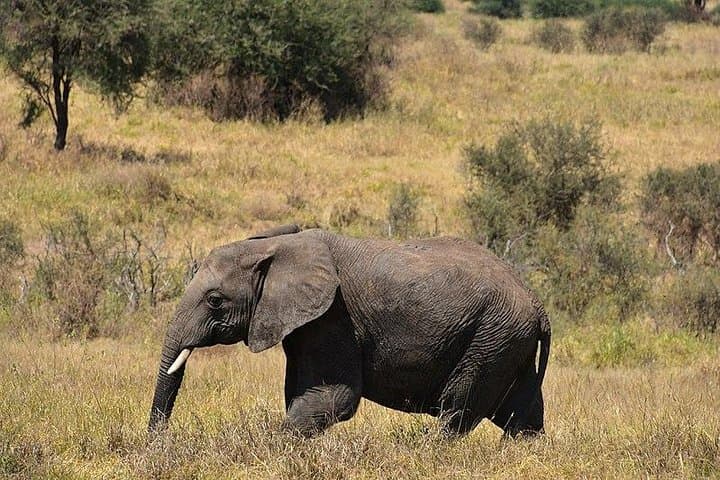
Yes—Tarangire is known for large elephant concentrations, especially during the dry season when the river is the primary water source.
Yes—infants may need to sit on laps per operator policy; specialized infant seats may be available on request.
Park-related fees and parking fees are typically included by this provider, but confirm at booking and carry local currency for incidental purchases.
Tarangire’s landscape formed through Rift Valley tectonics and periodic volcanic activity; the park’s riverine corridors have long supported pastoralists like the Maasai whose grazing patterns shaped the savanna.
Visitor impact is managed through limited vehicle numbers and park fees that fund anti-poaching and habitat protection; stick to routes and follow guides to reduce disturbance.
Skylink Safaris operates guided outdoor trips and adventures with an emphasis on safety, stewardship, and memorable experiences.
Dust rises on the track as the vehicle eases through acacia-lined plains; a band of impala lifts its heads and the Tarangire River, steady and commanding, threads the landscape like a slow-moving artery. On a five-hour day trip into Tarangire National Park visitors exchange the bustle of Arusha for open skies, baobab silhouettes and concentrated wildlife viewing driven by the river’s rhythms.
Dust rises on the track as the vehicle eases through acacia-lined plains; a band of impala lifts its heads and the Tarangire River, steady and commanding, threads the landscape like a slow-moving artery. On a five-hour day trip into Tarangire National Park visitors exchange the bustle of Arusha for open skies, baobab silhouettes and concentrated wildlife viewing driven by the river’s rhythms.
Tarangire sits on the edge of the Great Rift Valley and covers roughly 2,600 square kilometers. Its red-soil plains and seasonal swamps are shaped by volcanic geology and riverine deposits; the perennial Tarangire River makes this park a dry-season magnet for elephants, buffalo, and predators. The Maasai people have grazed the surrounding steppe for generations, and their traditional land use and stories remain visible around the park’s fringes.
Expect game drives from an open or closed 4x4 with a guide who times sightings around waterholes and shaded riverine forest. Wildlife encounters are often close and sustained—elephant herds crossing, giraffes browsing, and lions lounging where prey concentrates. Photography windows are brief between vehicle maneuvers, so keep gear ready and lenses covered when not shooting.
Practical pointers: depart early to catch cooler light and active animals, bring layered sun protection, and carry cash for park fees or tips. Vehicles are air-conditioned but bumpy—secure loose items and maintain a low profile to avoid spooking wildlife. For a single-day safari that maximizes sightings with limited travel time, Tarangire delivers concentrated big-game viewing framed by ancient baobabs and a river that insists the land keep moving.