THE ADVENTURE COLLECTIVE® · Independent discovery and booking for outdoor travel

Spend a day chasing elephants, baobabs, and riverborn herds on a 6-hour game drive from Arusha to Tarangire National Park. Expect close-up wildlife viewing, dusty tracks, and a picnic lunch amid acacia-dotted plains.
Spend a day chasing elephants, baobabs, and riverborn herds on a 6-hour game drive from Arusha to Tarangire National Park. Expect close-up wildlife viewing, dusty tracks, and a picnic lunch amid acacia-dotted plains.
Dust lifts from the red tracks as your vehicle threads between squat acacias and monumental baobabs. The Tarangire River—thin in the dry months, stubborn and relentless—draws herds to its edge; trunks and tusks silhouette against pale sky. In a single day here you watch savanna rhythms rotate: elephants cluster like weather, impalas scatter glassily, and birds patrol the river’s margins.
Verified experiences and guided adventures in the surrounding area.
Operated by Safari Njema Adventures · Arusha, Arusha Region
Dust lifts from the red tracks as your vehicle threads between squat acacias and monumental baobabs. The Tarangire River—thin in the dry months, stubborn and relentless—draws herds to its edge; trunks and tusks silhouette against pale sky. In a single day here you watch savanna rhythms rotate: elephants cluster like weather, impalas scatter glassily, and birds patrol the river’s margins.
Tarangire sits on the eastern rim of the Great Rift Valley. Its soils and low hills were shaped by tectonic sag, then sculpted by seasonal floods that feed southern swamps. Culturally the park borders pastoral Maasai lands; grazing patterns and ancient paths still weave between protected areas and community land. The park’s mix of baobab-studded woodlands and acacia flats supports one of Africa’s largest seasonal elephant concentrations—especially June through October—alongside rarer species like fringed-eared oryx and greater kudu.
Practically, expect a roughly 6-hour excursion from Arusha with hotel pickup and a picnic lunch included. Road surfaces range from sealed to washboard dirt; game viewing is by open 4x4 vehicle and involves multiple short stops. Bring sunscreen and a wide-brim hat for the fierce midday sun, layered clothing for cooler mornings, binoculars for distant plains, and a camera with a mid- to long-telephoto lens. Respect wildlife distances, follow your guide’s instructions, and carry cash for park fees or tips if not pre-paid. Early starts maximize shade-seeking behavior and wildlife activity; late afternoons return you to Arusha with sun-creased skin and a fuller appreciation of Tarangire’s patient, powerful life.
easy.
6 hours.
Suitable for most fitness levels; requires sitting in a safari vehicle and occasional short walks at viewing stops.
The full excursion runs about 6 hours, including hotel pickup, a morning transfer to Tarangire, a picnic lunch, and afternoon game drives before returning to Arusha.
Check your booking details—transport and lunch are often included but park entrance fees are commonly charged separately at gate or billed by the operator.
Tarangire is known for large elephant herds, especially in the dry season (June–October), so sightings are very likely but never guaranteed.
Yes—tour descriptions list it as suitable for all fitness levels; infants typically must sit on a caregiver’s lap and parents should bring necessary supplies for the day.
Tarangire’s plains and river systems have long supported Maasai pastoral communities; the park’s boundaries and management reflect decades of balancing wildlife protection with local grazing needs.
Visitor numbers and responsible guiding help limit disturbance; support community-run conservation projects and avoid feeding or approaching wildlife to reduce human impact.
Safari Njema Adventures operates guided outdoor trips and adventures with an emphasis on safety, stewardship, and memorable experiences.
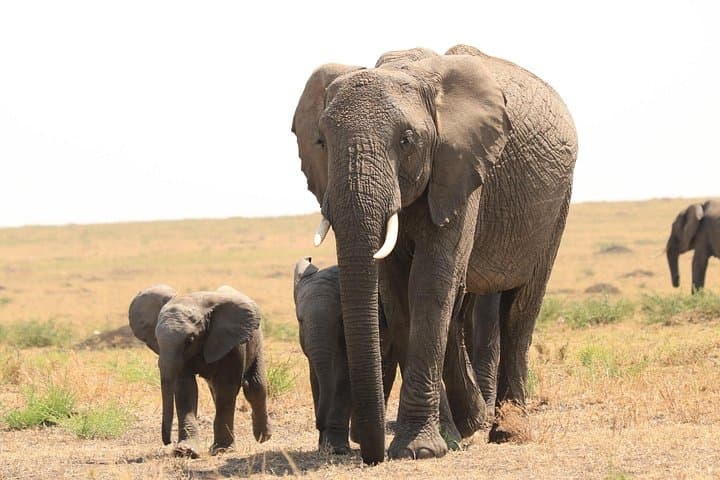
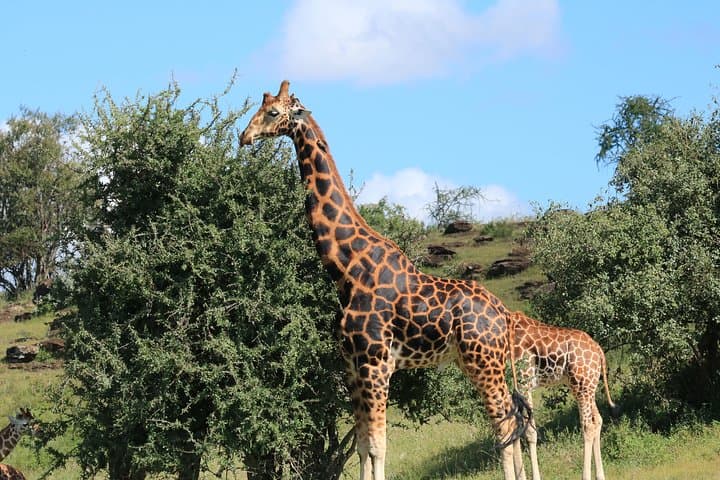
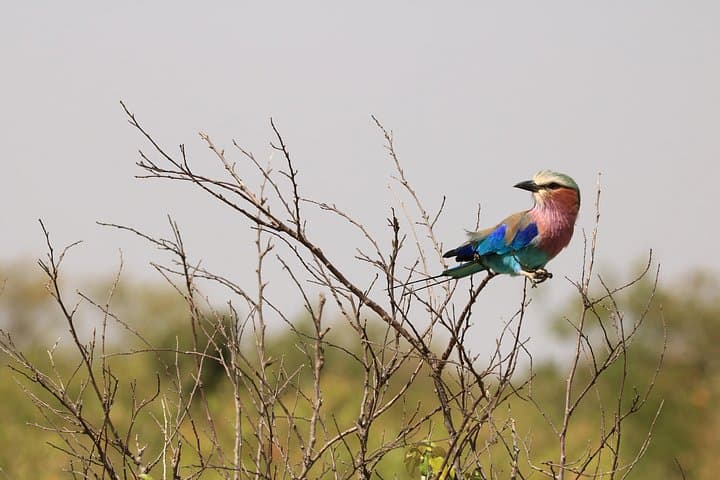
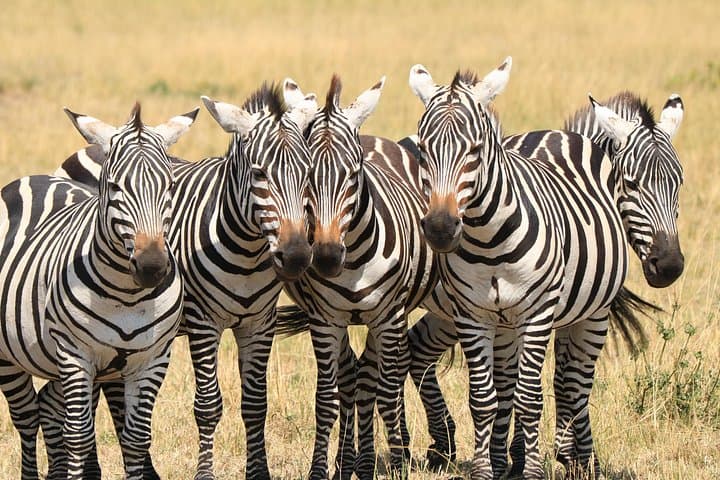
Dust lifts from the red tracks as your vehicle threads between squat acacias and monumental baobabs. The Tarangire River—thin in the dry months, stubborn and relentless—draws herds to its edge; trunks and tusks silhouette against pale sky. In a single day here you watch savanna rhythms rotate: elephants cluster like weather, impalas scatter glassily, and birds patrol the river’s margins.
Dust lifts from the red tracks as your vehicle threads between squat acacias and monumental baobabs. The Tarangire River—thin in the dry months, stubborn and relentless—draws herds to its edge; trunks and tusks silhouette against pale sky. In a single day here you watch savanna rhythms rotate: elephants cluster like weather, impalas scatter glassily, and birds patrol the river’s margins.
Tarangire sits on the eastern rim of the Great Rift Valley. Its soils and low hills were shaped by tectonic sag, then sculpted by seasonal floods that feed southern swamps. Culturally the park borders pastoral Maasai lands; grazing patterns and ancient paths still weave between protected areas and community land. The park’s mix of baobab-studded woodlands and acacia flats supports one of Africa’s largest seasonal elephant concentrations—especially June through October—alongside rarer species like fringed-eared oryx and greater kudu.
Practically, expect a roughly 6-hour excursion from Arusha with hotel pickup and a picnic lunch included. Road surfaces range from sealed to washboard dirt; game viewing is by open 4x4 vehicle and involves multiple short stops. Bring sunscreen and a wide-brim hat for the fierce midday sun, layered clothing for cooler mornings, binoculars for distant plains, and a camera with a mid- to long-telephoto lens. Respect wildlife distances, follow your guide’s instructions, and carry cash for park fees or tips if not pre-paid. Early starts maximize shade-seeking behavior and wildlife activity; late afternoons return you to Arusha with sun-creased skin and a fuller appreciation of Tarangire’s patient, powerful life.