
Tarangire National Park and Ngorongoro Crater: 2-Day Safari from Arusha
A compact two-day safari from Arusha that pairs Tarangire’s elephant-swept plains with the dramatic floor of Ngorongoro Crater. Expect up-close wildlife viewing, Rift Valley rim camps, and early starts for the best light and animal activity.
An Adventure In Arusha.
A compact two-day safari from Arusha that pairs Tarangire’s elephant-swept plains with the dramatic floor of Ngorongoro Crater. Expect up-close wildlife viewing, Rift Valley rim camps, and early starts for the best light and animal activity.
Read the full experience
You touch down at Kilimanjaro or Arusha, meet your driver-guide and immediately feel the tempo change—the road pushes you out of town and into open country where baobabs puncture the skyline and the air smells faintly of dust and distant smoke.
You touch down at Kilimanjaro or Arusha, meet your driver-guide and immediately feel the tempo change—the road pushes you out of town and into open country where baobabs puncture the skyline and the air smells faintly of dust and distant smoke.
Day one moves at game-drive pace through Tarangire National Park, a landscape that favors elephants and acacia-lined dry riverbeds. Herds cluster beneath ancient baobabs; raptors circle as the light slants. By evening you’ll be at Kizumba Camp on the Rift Valley rim, the park’s low hum giving way to stars.
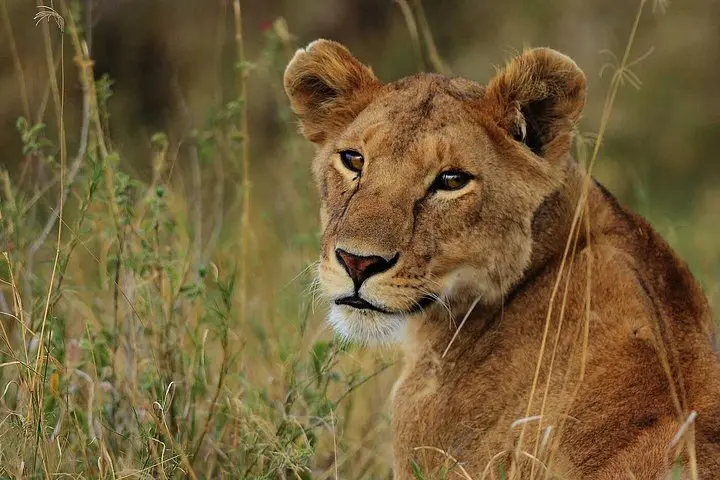
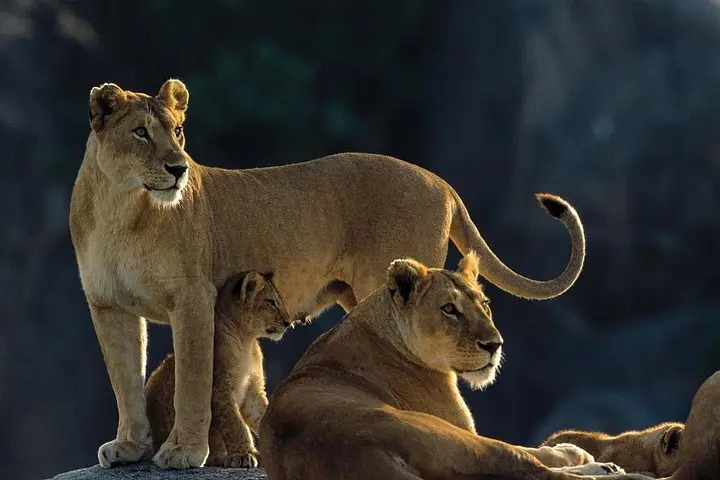
Day two is the crater descent: a geological bowl formed by volcanic collapse, 610 meters deep and ringed in highland vegetation. The floor is compact with life—lions patrol, flamingos frequent the soda lake, and the crater still shelters one of the planet’s last black rhino populations. Maasai culture threads the region: grazing lands, traditional homesteads and the history of conservation and conflict shape how people and wildlife move here.
Practical guide: expect long drives and early starts—vehicles are 4x4s and most game viewing is from them, with short, guided walks rare. Park fees and most logistics are included in organized tours, but bring cash for tips and small purchases. Pack layers—mornings on the rim are cool; midday in the parks is hot and dusty. Binoculars, a sun hat, and a camera with a medium-telephoto lens will take you far. Also, respect wildlife distances and follow your guide’s instructions—animals here are wild and assertive.
This itinerary balances immersive wildlife time with manageable travel, ideal for travelers who want concentrated safari experience in two days.
Frequently asked questions
Yes—this package lists park fees and most activities as included; check your booking confirmation for any optional extras.
Expect several hours of driving: Arusha to Tarangire is roughly 1.5–2 hours; Tarangire to Ngorongoro area and crater rim involves additional driving with scenic stops.
Ngorongoro often produces sightings of elephant, lion and black rhino, while Tarangire is famous for large elephant herds; sightings of all Big Five cannot be guaranteed but are possible.
Consult travel health authorities before you go—vaccination requirements depend on your travel history, and malaria prophylaxis is commonly recommended for this region.
About This Experience
Wildlife Experience Tanzania - Day Tours operates guided outdoor trips and adventures with an emphasis on safety, stewardship, and memorable experiences.
Adventure tips
Recommended gear
- Binoculars (8–10x): Essential for watching birds and distant predators without disturbing them.
- Neutral-colored layers: Light base layers and a warm jacket for cool mornings on the crater rim.
- Sturdy walking shoes: Support and traction for short exits from the vehicle and uneven lodge paths.
- Sun hat and sunscreen: Midday sun is strong; protect skin and eyes during open-vehicle viewing.
Photos of the experience
Related adventures & guides
Read the full experience
You touch down at Kilimanjaro or Arusha, meet your driver-guide and immediately feel the tempo change—the road pushes you out of town and into open country where baobabs puncture the skyline and the air smells faintly of dust and distant smoke.
You touch down at Kilimanjaro or Arusha, meet your driver-guide and immediately feel the tempo change—the road pushes you out of town and into open country where baobabs puncture the skyline and the air smells faintly of dust and distant smoke.
Day one moves at game-drive pace through Tarangire National Park, a landscape that favors elephants and acacia-lined dry riverbeds. Herds cluster beneath ancient baobabs; raptors circle as the light slants. By evening you’ll be at Kizumba Camp on the Rift Valley rim, the park’s low hum giving way to stars.
Day two is the crater descent: a geological bowl formed by volcanic collapse, 610 meters deep and ringed in highland vegetation. The floor is compact with life—lions patrol, flamingos frequent the soda lake, and the crater still shelters one of the planet’s last black rhino populations. Maasai culture threads the region: grazing lands, traditional homesteads and the history of conservation and conflict shape how people and wildlife move here.
Practical guide: expect long drives and early starts—vehicles are 4x4s and most game viewing is from them, with short, guided walks rare. Park fees and most logistics are included in organized tours, but bring cash for tips and small purchases. Pack layers—mornings on the rim are cool; midday in the parks is hot and dusty. Binoculars, a sun hat, and a camera with a medium-telephoto lens will take you far. Also, respect wildlife distances and follow your guide’s instructions—animals here are wild and assertive.
This itinerary balances immersive wildlife time with manageable travel, ideal for travelers who want concentrated safari experience in two days.
Make a day of it nearby.
Verified experiences and guided adventures in the surrounding area.