THE ADVENTURE COLLECTIVE® · Independent discovery and booking for outdoor travel

Four days of classic northern Tanzania safari, pairing Tarangire’s elephant concentrations with Lake Manyara’s forested lake-edge wildlife. Early-morning drives and lodge nights put you close to herd movements and unique behaviors, including tree-climbing lions.
Four days of classic northern Tanzania safari, pairing Tarangire’s elephant concentrations with Lake Manyara’s forested lake-edge wildlife. Early-morning drives and lodge nights put you close to herd movements and unique behaviors, including tree-climbing lions.
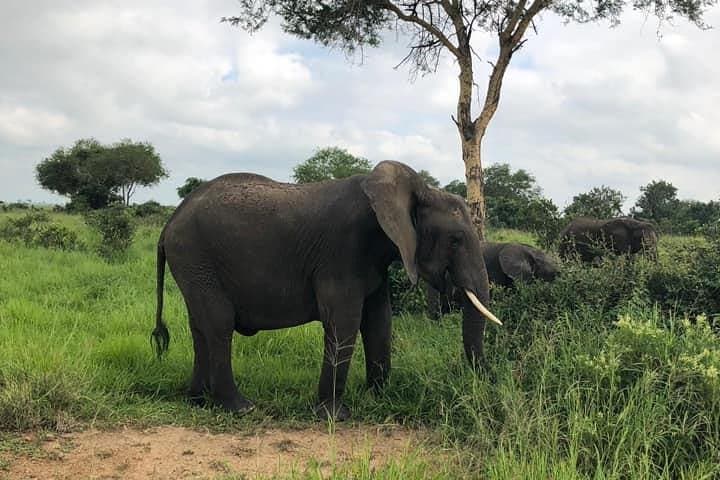
Dawn breaks over the Rift Valley and the Toyota’s roof lifts with a soft clunk—the vehicle becomes a viewing platform as the savanna exhales. In Tarangire the river threads through tall grass, daring elephants to gather on its banks; in Lake Manyara the escarpment leans in, shading a band of fever trees and hidden forest, while flamingos turn the lake’s edge into a restless brushstroke.
Verified experiences and guided adventures in the surrounding area.
Operated by Bohobe Travels · Arusha, Arusha Region
Dawn breaks over the Rift Valley and the Toyota’s roof lifts with a soft clunk—the vehicle becomes a viewing platform as the savanna exhales. In Tarangire the river threads through tall grass, daring elephants to gather on its banks; in Lake Manyara the escarpment leans in, shading a band of fever trees and hidden forest, while flamingos turn the lake’s edge into a restless brushstroke.
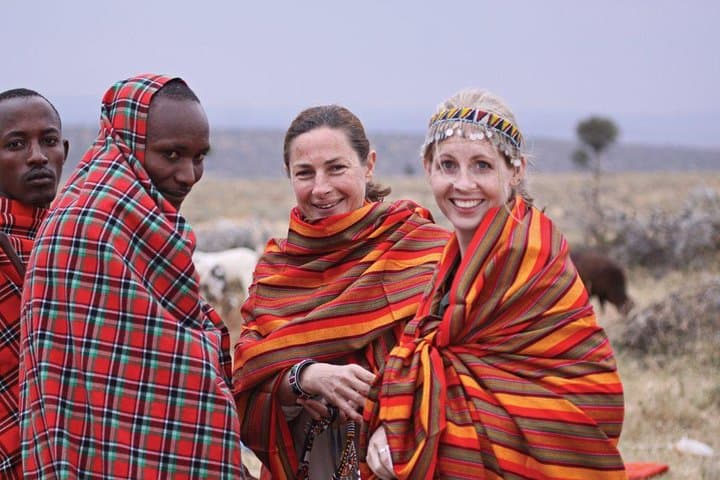
These parks sit on the western arm of the Eastern Rift. Tarangire’s shallow river and seasonal swamps shape concentrations of wildlife during the dry months; Manyara’s alkalinity and forest pocket create a distinct habitat that famously produces tree-climbing lions. The Maasai people have grazed the surrounding steppe for generations, their livestock movements woven into park management and local culture.
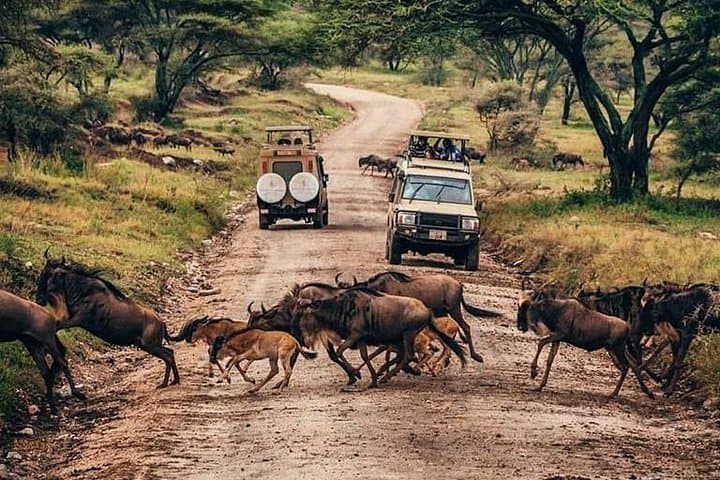
Expect long vehicle game drives at sunrise and late afternoon, punctuated by picnic lunches and short walking opportunities at lodge grounds. Guides focus on sighting concentration points—baobabs in Tarangire, the lake shore in Manyara—and interpret animal behavior and conservation challenges like seasonal migration and human–wildlife interface.
Practical guidance: rise early for the best light and the most active predators, keep cameras ready with a telephoto lens (200–400mm preferred), and layer clothing for chilly mornings and hot afternoons. Carry reusable water, sun protection, and a small daypack for binoculars and personal items. Respect guide instructions on distances from wildlife; these tours rely on experienced trackers and the rhythm of the parks for safe, high-quality sightings.
easy.
4 days.
Minimal walking required; suitable for travelers in average physical condition who can climb into safari vehicles and tolerate bumpy roads.
Travelers should consult a travel clinic for recommended vaccinations and discuss malaria prophylaxis—risk varies by season and location but protection is commonly advised.
Domestic flights in Tanzania typically limit checked baggage (often 15–20 kg) and carry-on size; check the operator’s policy and pack a soft-sided bag for easier handling.
Yes—this itinerary is vehicle-based and labeled suitable for all fitness levels, but check with the operator on age minimums and notify them of any mobility needs.
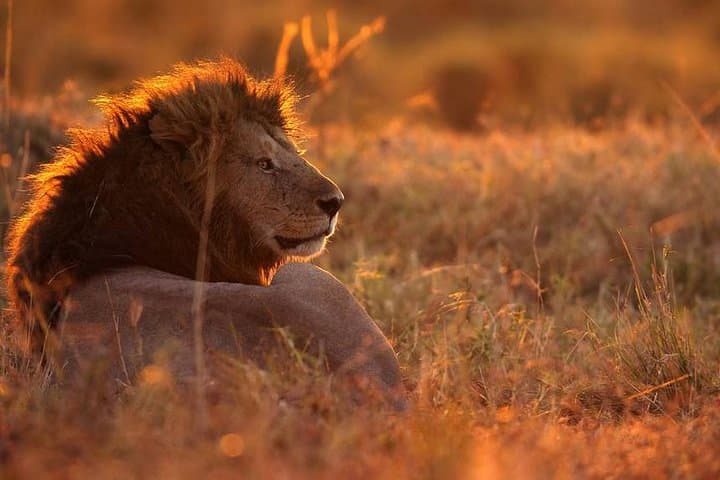
Expect large elephant herds in Tarangire, tree-climbing lions and baboons in Manyara, diverse waterbirds, zebra, wildebeest and various antelope species.
The parks sit along the Great Rift Valley and have long been part of Maasai grazing lands; modern protection began in the mid-20th century to conserve migrating wildlife corridors.
Tourism revenue supports anti-poaching and community projects, but pressure from livestock grazing and human settlement requires ongoing collaborative conservation efforts.
Bohobe Travels operates guided outdoor trips and adventures with an emphasis on safety, stewardship, and memorable experiences.
Dawn breaks over the Rift Valley and the Toyota’s roof lifts with a soft clunk—the vehicle becomes a viewing platform as the savanna exhales. In Tarangire the river threads through tall grass, daring elephants to gather on its banks; in Lake Manyara the escarpment leans in, shading a band of fever trees and hidden forest, while flamingos turn the lake’s edge into a restless brushstroke.
Dawn breaks over the Rift Valley and the Toyota’s roof lifts with a soft clunk—the vehicle becomes a viewing platform as the savanna exhales. In Tarangire the river threads through tall grass, daring elephants to gather on its banks; in Lake Manyara the escarpment leans in, shading a band of fever trees and hidden forest, while flamingos turn the lake’s edge into a restless brushstroke.
These parks sit on the western arm of the Eastern Rift. Tarangire’s shallow river and seasonal swamps shape concentrations of wildlife during the dry months; Manyara’s alkalinity and forest pocket create a distinct habitat that famously produces tree-climbing lions. The Maasai people have grazed the surrounding steppe for generations, their livestock movements woven into park management and local culture.
Expect long vehicle game drives at sunrise and late afternoon, punctuated by picnic lunches and short walking opportunities at lodge grounds. Guides focus on sighting concentration points—baobabs in Tarangire, the lake shore in Manyara—and interpret animal behavior and conservation challenges like seasonal migration and human–wildlife interface.
Practical guidance: rise early for the best light and the most active predators, keep cameras ready with a telephoto lens (200–400mm preferred), and layer clothing for chilly mornings and hot afternoons. Carry reusable water, sun protection, and a small daypack for binoculars and personal items. Respect guide instructions on distances from wildlife; these tours rely on experienced trackers and the rhythm of the parks for safe, high-quality sightings.