THE ADVENTURE COLLECTIVE® · Independent discovery and booking for outdoor travel

Float over Tarangire at sunrise, watching elephants and giraffes shrink into the savanna while burners puncture the dawn. Follow the flight with a champagne bush breakfast under acacia shade.
Float over Tarangire at sunrise, watching elephants and giraffes shrink into the savanna while burners puncture the dawn. Follow the flight with a champagne bush breakfast under acacia shade.
You step into cool dawn as crews lay the balloon open on the scrub—canvas rippling, burners hissing—while the Tarangire plain holds its first light. Above, the basket tilts and lifts; the park unfolds below in bands of gold riverine grass, groves of baobab, and a slow parade of elephants moving toward the river. The pilot points out a lone lion on a kopje; the landscape answers with quiet stirrings.
Verified experiences and guided adventures in the surrounding area.
Operated by Miracle Experience Balloon Safaris · Tarangire National Park, Manyara Region
You step into cool dawn as crews lay the balloon open on the scrub—canvas rippling, burners hissing—while the Tarangire plain holds its first light. Above, the basket tilts and lifts; the park unfolds below in bands of gold riverine grass, groves of baobab, and a slow parade of elephants moving toward the river. The pilot points out a lone lion on a kopje; the landscape answers with quiet stirrings.
Tarangire’s river carved the corridor that shapes the park’s migrations. Protected since the 1970s, the area is geologically a mix of volcanic soils and alluvial plains that support dense elephant concentrations and acacia woodlands. Local Maasai communities maintain grazing traditions on park margins; guides often weave cultural notes into the flight briefing.
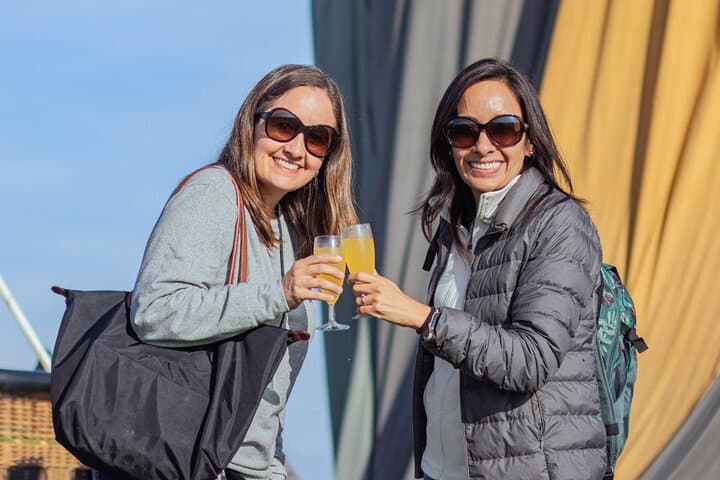
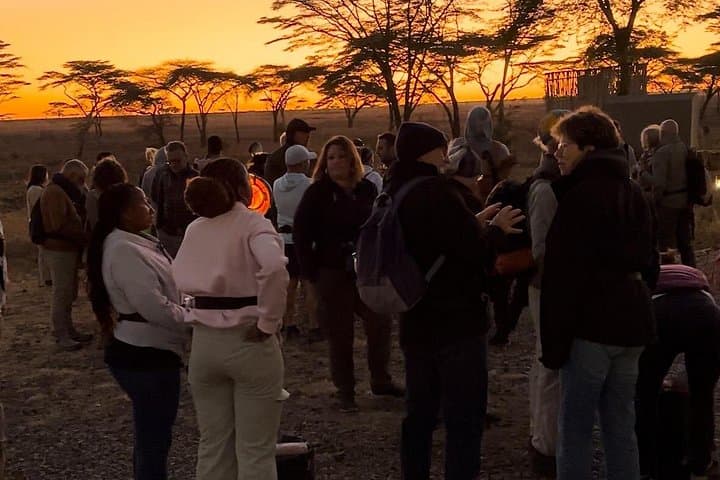
Practicalities are simple: most operators gather pre-dawn for inflation and a 45–60 minute flight, followed by a bush breakfast and a champagne toast. Expect an early pickup from lodges near Arusha or Lake Manyara, a pilot-led safety briefing, and light refreshments before launch. Dress in layers—the air is cool at lift-off—and bring a camera with a telephoto lens for wildlife shots. Pay attention to weight and height limits; operators enforce them for safe handling.
The experience balances silence and motion: the burners puncture the quiet, the basket hums forward, and the ground shrinks into a map of tracks and herds. It’s accessible to most travelers but demands respect for wildlife, weather, and the rhythms of East African mornings.
easy.
4–5 hours.
Suitable for most fitness levels; must be able to stand and step in/out of a low basket and walk short distances on uneven ground.
Typical airborne time is about 45–60 minutes; the full activity including transfers, briefing, inflation and bush breakfast takes roughly 4–5 hours.
Not suitable for pregnant travelers or people with serious spinal or heart conditions; operators require honest passenger weights and may set height/weight limits for safety.
Flights are cancelled in unsafe weather; operators usually offer a full refund if cancelled at least 24 hours in advance or will reschedule when possible.
Many operators provide binoculars onboard and at the launch site, but bringing your own optics offers faster access and personal control over focus and comfort.
Tarangire was formally protected in the 1970s to safeguard seasonal migrations along the Tarangire River; its landscapes reflect volcanic and alluvial processes that shaped northern Tanzania.
Balloon operators work with local guides and parks authorities to minimize disturbance; visitors should avoid littering, keep distance from wildlife, and support community-run conservancies.
Miracle Experience Balloon Safaris operates guided outdoor trips and adventures with an emphasis on safety, stewardship, and memorable experiences.
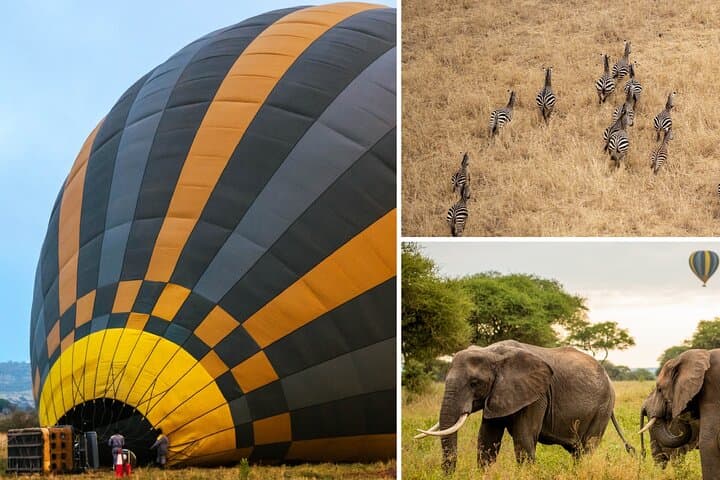
You step into cool dawn as crews lay the balloon open on the scrub—canvas rippling, burners hissing—while the Tarangire plain holds its first light. Above, the basket tilts and lifts; the park unfolds below in bands of gold riverine grass, groves of baobab, and a slow parade of elephants moving toward the river. The pilot points out a lone lion on a kopje; the landscape answers with quiet stirrings.
You step into cool dawn as crews lay the balloon open on the scrub—canvas rippling, burners hissing—while the Tarangire plain holds its first light. Above, the basket tilts and lifts; the park unfolds below in bands of gold riverine grass, groves of baobab, and a slow parade of elephants moving toward the river. The pilot points out a lone lion on a kopje; the landscape answers with quiet stirrings.
Tarangire’s river carved the corridor that shapes the park’s migrations. Protected since the 1970s, the area is geologically a mix of volcanic soils and alluvial plains that support dense elephant concentrations and acacia woodlands. Local Maasai communities maintain grazing traditions on park margins; guides often weave cultural notes into the flight briefing.
Practicalities are simple: most operators gather pre-dawn for inflation and a 45–60 minute flight, followed by a bush breakfast and a champagne toast. Expect an early pickup from lodges near Arusha or Lake Manyara, a pilot-led safety briefing, and light refreshments before launch. Dress in layers—the air is cool at lift-off—and bring a camera with a telephoto lens for wildlife shots. Pay attention to weight and height limits; operators enforce them for safe handling.
The experience balances silence and motion: the burners puncture the quiet, the basket hums forward, and the ground shrinks into a map of tracks and herds. It’s accessible to most travelers but demands respect for wildlife, weather, and the rhythms of East African mornings.