THE ADVENTURE COLLECTIVE® · Independent discovery and booking for outdoor travel

Spend a full day tracking elephants and predators amid Tarangire’s baobab-studded floodplains. This full-day safari from Arusha pairs high wildlife density with wide-open photographic opportunities on well-maintained tracks.
Spend a full day tracking elephants and predators amid Tarangire’s baobab-studded floodplains. This full-day safari from Arusha pairs high wildlife density with wide-open photographic opportunities on well-maintained tracks.
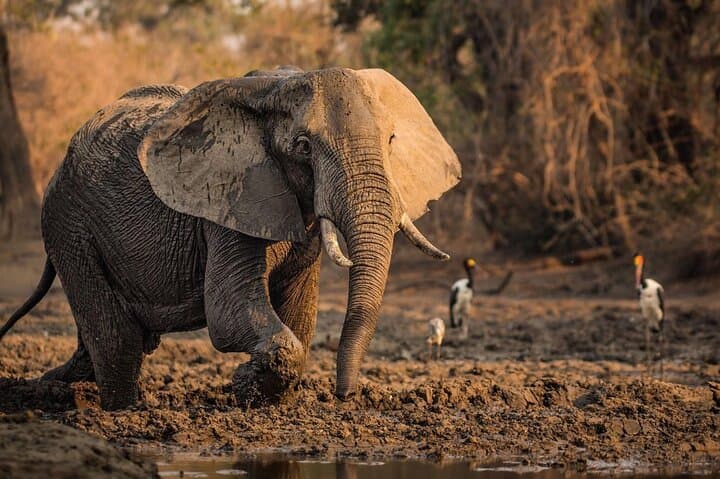
You pull away from Arusha at first light and the land opens into wide, sunburnt plains where baobabs stand like weathered giants and the Tarangire River threads silver through the grass. Vehicles slow; trunks creak under the weight of browsing elephants, and distant calls—horns, shrieks, the low chorus of hooves—shape the morning.
Verified experiences and guided adventures in the surrounding area.
Operated by Kanje grand tours · Arusha, Manyara Region
You pull away from Arusha at first light and the land opens into wide, sunburnt plains where baobabs stand like weathered giants and the Tarangire River threads silver through the grass. Vehicles slow; trunks creak under the weight of browsing elephants, and distant calls—horns, shrieks, the low chorus of hooves—shape the morning.
Tarangire sits on the southern edge of the East African Rift, its landscape driven by seasonal river flows and ancient volcanic soils that favor acacia, palm and towering baobab. The park rose to prominence in the mid‑20th century as migration patterns and elephant densities were recorded, and it remains less crowded than the Northern Circuit’s flagship parks.
Local Maasai communities share a pragmatic relationship with the land: cattle corridors intersect wildlife routes and traditional knowledge helps guides predict animal movements. Birdlife is prolific here—kites, ground‑rollers and weavers use the riverine gallery as a breeding stage.
Practical guidance: expect a full day (roughly 10–12 hours with pickup), dusty tracks and long stretches without shade. Bring layered clothing for cool mornings and hot midday sun, plenty of water, sun protection and a telephoto lens for wildlife shots. Keep distance from animals, follow your guide’s instructions, and know that drivers choose routes based on recent sightings—flexibility yields the best viewing.
A day in Tarangire is cinematic but straightforward: patience, good optics and respect for the rhythms of river and herd deliver the moments you remember long after the dust settles.
easy.
10–12 hours.
Minimal hiking required; participants should be able to climb in and out of a safari vehicle and tolerate long periods seated
This is a full-day excursion (roughly 10–12 hours including pickup/return); departures are early morning with pickup from Arusha or nearby lodgings.
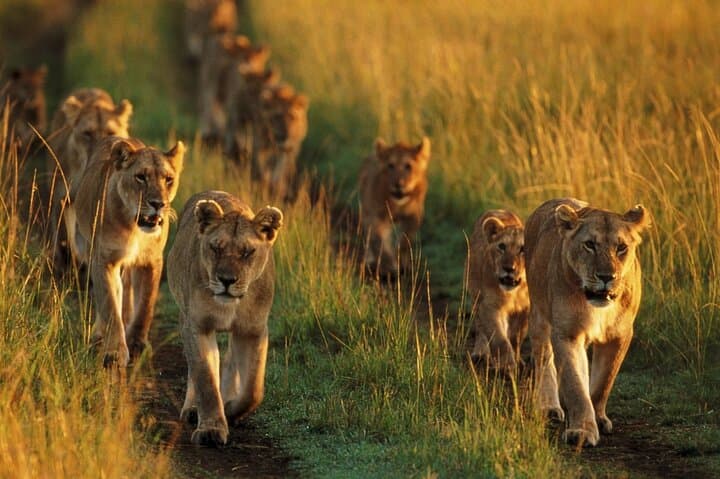
Tarangire is known for large elephant herds, buffalo, giraffe, zebra, and predators like lion and hyena; sightings vary by season and recent water availability.
Yes—park fees, lunch, bottled water and snacks as described are typically included; confirm at booking for any recent changes.
Children can join but policies vary by operator—check minimum age and ensure child seats or booster requests are made at booking.
Tarangire was designated to protect seasonal concentrations of wildlife and distinctive baobab woodlands as northern Tanzania’s ecosystems came under study in the mid‑20th century.
Seasonal water availability drives animal movements—minimize disturbance by staying on roads, follow guide directions, and support local conservation fees and community tourism initiatives.
Kanje grand tours operates guided outdoor trips and adventures with an emphasis on safety, stewardship, and memorable experiences.


You pull away from Arusha at first light and the land opens into wide, sunburnt plains where baobabs stand like weathered giants and the Tarangire River threads silver through the grass. Vehicles slow; trunks creak under the weight of browsing elephants, and distant calls—horns, shrieks, the low chorus of hooves—shape the morning.
You pull away from Arusha at first light and the land opens into wide, sunburnt plains where baobabs stand like weathered giants and the Tarangire River threads silver through the grass. Vehicles slow; trunks creak under the weight of browsing elephants, and distant calls—horns, shrieks, the low chorus of hooves—shape the morning.
Tarangire sits on the southern edge of the East African Rift, its landscape driven by seasonal river flows and ancient volcanic soils that favor acacia, palm and towering baobab. The park rose to prominence in the mid‑20th century as migration patterns and elephant densities were recorded, and it remains less crowded than the Northern Circuit’s flagship parks.
Local Maasai communities share a pragmatic relationship with the land: cattle corridors intersect wildlife routes and traditional knowledge helps guides predict animal movements. Birdlife is prolific here—kites, ground‑rollers and weavers use the riverine gallery as a breeding stage.
Practical guidance: expect a full day (roughly 10–12 hours with pickup), dusty tracks and long stretches without shade. Bring layered clothing for cool mornings and hot midday sun, plenty of water, sun protection and a telephoto lens for wildlife shots. Keep distance from animals, follow your guide’s instructions, and know that drivers choose routes based on recent sightings—flexibility yields the best viewing.
A day in Tarangire is cinematic but straightforward: patience, good optics and respect for the rhythms of river and herd deliver the moments you remember long after the dust settles.