THE ADVENTURE COLLECTIVE® · Independent discovery and booking for outdoor travel

Spend a full day in Tarangire National Park chasing elephant herds, baobab stands, and prolific birdlife. This day trip from Arusha blends prime game drives with cultural context and easy logistics for first-time safari-goers.
Spend a full day in Tarangire National Park chasing elephant herds, baobab stands, and prolific birdlife. This day trip from Arusha blends prime game drives with cultural context and easy logistics for first-time safari-goers.
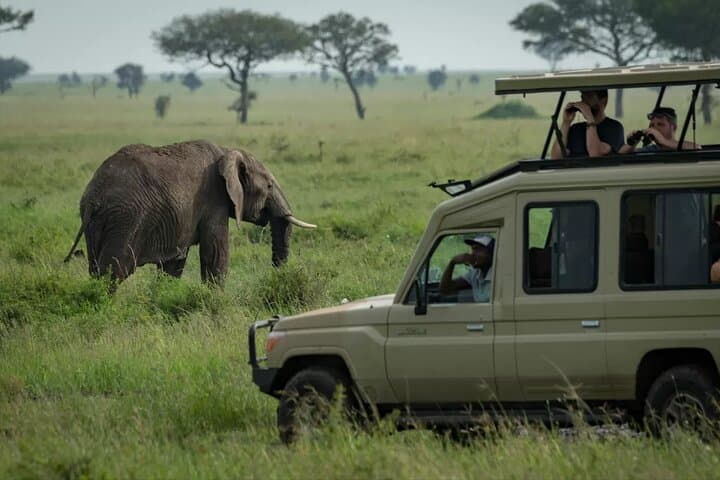
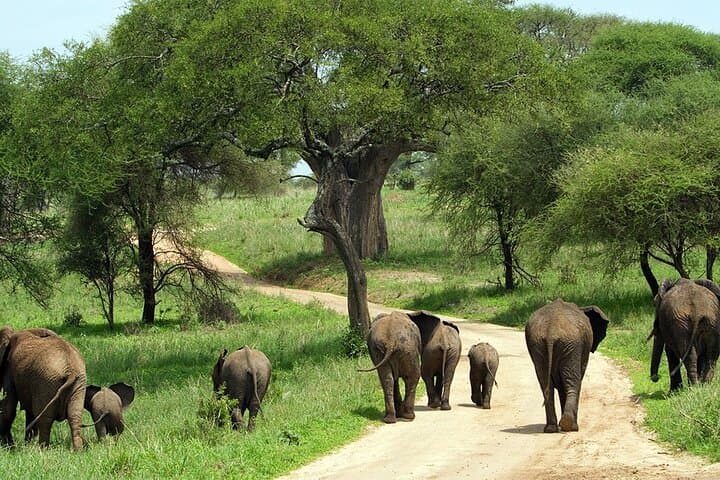
The morning light slices across golden grass as a 4x4 rumbles toward a fence of baobabs—this is Tarangire at first light. Drivers steer along dirt arteries that thread seasonal swamps and open savanna; the river ahead musters wildlife like a magnet, and elephants move with deliberate purpose.
Verified experiences and guided adventures in the surrounding area.
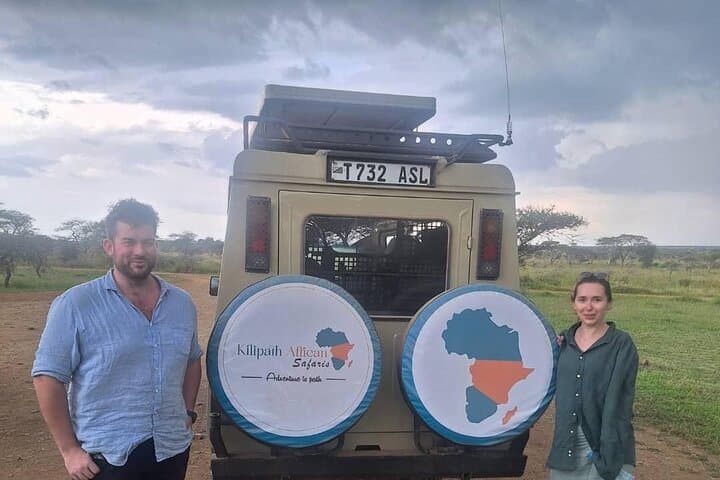
Operated by kilipath African Safaris · Arusha, Manyara Region
The morning light slices across golden grass as a 4x4 rumbles toward a fence of baobabs—this is Tarangire at first light. Drivers steer along dirt arteries that thread seasonal swamps and open savanna; the river ahead musters wildlife like a magnet, and elephants move with deliberate purpose.
Tarangire National Park covers roughly 2,850 km² on the southern rim of the Maasai Steppe, sitting around 1,100 m above sea level. Geologically it’s a plain shaped by ancient volcanic flows and the Tarangire River floodplain; the landscape trades between acacia-studded woodlands and marshy reedbeds. The area is also Maasai land—local pastoralists and their cattle are part of the park’s living culture and historical mosaic.
On a full-day game drive from Arusha expect a 1.5–2.5 hour transfer each way and about six hours inside the park. Guides focus on elephant herds, baobab stands, and abundant birdlife (500+ species recorded), with chances to see lions, leopards, and tree-climbing pythons. Photography windows are frequent; the light is best early and late.
Practical notes: bring binoculars, a camera with a zoom, sun protection, and refillable water—the day is long but not physically demanding. Roads are dusty and can be bumpy; pack layers for morning chill and midday heat. Respect wildlife distance rules and follow your guide’s directions—this ensures both better sightings and safer encounters.
A Tarangire full-day safari pairs effortless observation with meaningful context: geology explains the river’s gravity, history explains the people on the plain, and the animals provide the day’s motion.
easy.
8 hours (approx.).
Minimal fitness required; primarily vehicle-based viewing with short walks only if arranged
Expect roughly 1.5–2.5 hours each way depending on road and traffic conditions; many tours include hotel pickup in Arusha.
This tour lists Tarangire National Park entry/admission as included—confirm at booking for any national fee updates.
Yes; the itinerary is vehicle-based and rated easy, but it’s not recommended for pregnant travelers or those with serious spinal or cardiovascular conditions.
Large elephant herds are the park’s signature, and you’ll often see plains game, predators like lions, and prolific bird species—guides optimize routes for sightings.
The park’s name derives from the Tarangire River, the lifeline for wildlife during dry seasons; Maasai communities have grazed the surrounding plains for generations.
Tarangire faces pressure from agricultural expansion and pastureland fragmentation; sticking to official roads and reducing plastic waste helps minimize impact.
kilipath African Safaris operates guided outdoor trips and adventures with an emphasis on safety, stewardship, and memorable experiences.
The morning light slices across golden grass as a 4x4 rumbles toward a fence of baobabs—this is Tarangire at first light. Drivers steer along dirt arteries that thread seasonal swamps and open savanna; the river ahead musters wildlife like a magnet, and elephants move with deliberate purpose.
The morning light slices across golden grass as a 4x4 rumbles toward a fence of baobabs—this is Tarangire at first light. Drivers steer along dirt arteries that thread seasonal swamps and open savanna; the river ahead musters wildlife like a magnet, and elephants move with deliberate purpose.
Tarangire National Park covers roughly 2,850 km² on the southern rim of the Maasai Steppe, sitting around 1,100 m above sea level. Geologically it’s a plain shaped by ancient volcanic flows and the Tarangire River floodplain; the landscape trades between acacia-studded woodlands and marshy reedbeds. The area is also Maasai land—local pastoralists and their cattle are part of the park’s living culture and historical mosaic.
On a full-day game drive from Arusha expect a 1.5–2.5 hour transfer each way and about six hours inside the park. Guides focus on elephant herds, baobab stands, and abundant birdlife (500+ species recorded), with chances to see lions, leopards, and tree-climbing pythons. Photography windows are frequent; the light is best early and late.
Practical notes: bring binoculars, a camera with a zoom, sun protection, and refillable water—the day is long but not physically demanding. Roads are dusty and can be bumpy; pack layers for morning chill and midday heat. Respect wildlife distance rules and follow your guide’s directions—this ensures both better sightings and safer encounters.
A Tarangire full-day safari pairs effortless observation with meaningful context: geology explains the river’s gravity, history explains the people on the plain, and the animals provide the day’s motion.