THE ADVENTURE COLLECTIVE® · Independent discovery and booking for outdoor travel

Spend a full day tracking huge elephant herds and baobab-dotted plains on a private, vehicle-based safari from Arusha. This adaptable day trip prioritizes unobstructed views and photography while guides follow real-time wildlife movements for the best sightings.
Spend a full day tracking huge elephant herds and baobab-dotted plains on a private, vehicle-based safari from Arusha. This adaptable day trip prioritizes unobstructed views and photography while guides follow real-time wildlife movements for the best sightings.
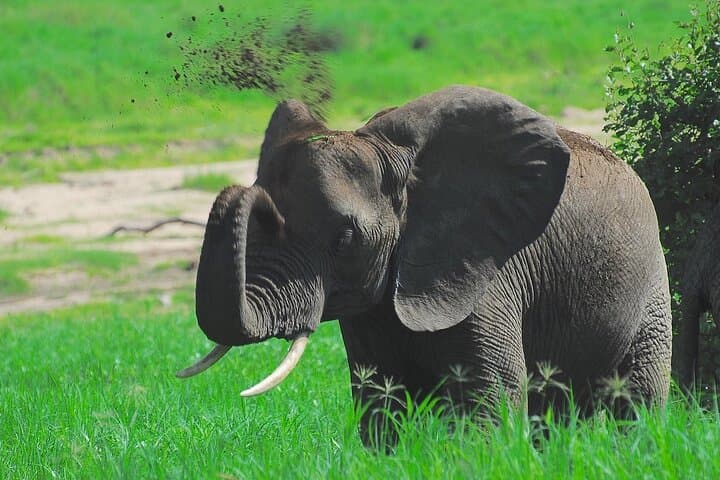
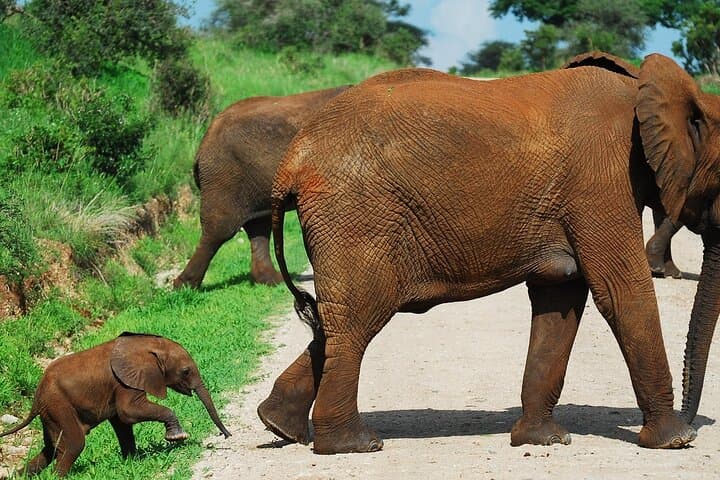
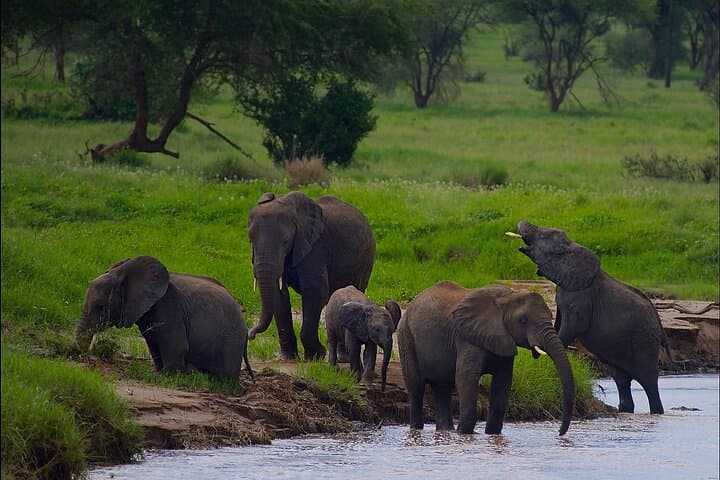
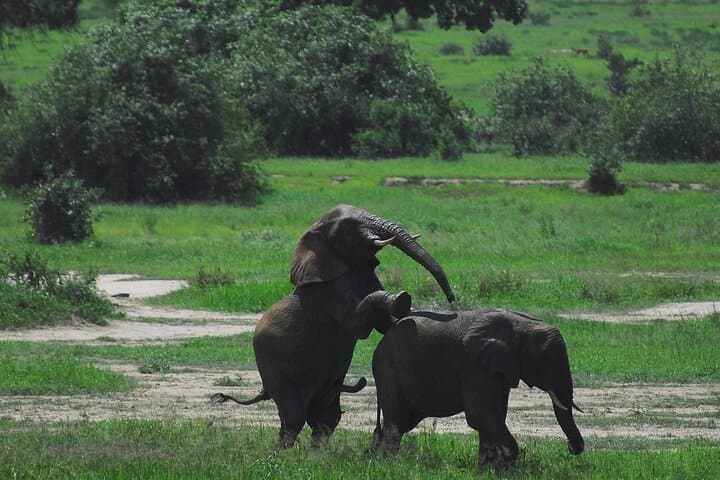
Dawn breaks over flat savannah and the silhouette of baobabs cuts the horizon as a low-slung safari vehicle eases onto a dust track. In minutes the light changes and a herd of elephants crosses the plain, trunks reaching for dry grass; their movement reshapes the morning into a living lesson in scale and patience.
Verified experiences and guided adventures in the surrounding area.
Operated by Alkanjaoi Tours and Safaris · Arusha, Manyara Region
Dawn breaks over flat savannah and the silhouette of baobabs cuts the horizon as a low-slung safari vehicle eases onto a dust track. In minutes the light changes and a herd of elephants crosses the plain, trunks reaching for dry grass; their movement reshapes the morning into a living lesson in scale and patience.
Tarangire National Park sits where ancient river channels braid through volcanic plains, and its seasonal Tarangire River is the lifeline that concentrates wildlife during dry months. The park’s geology—rolled volcanic soils and shallow basins—creates the mosaic of floodplains, acacia woodlands and baobab stands that support large elephant populations. Local Maasai culture remains visible on the park’s edges, and guides often weave ecological notes with stories about traditional land use.
This full-day, private safari is vehicle-based and tuned for photography: expect long game drives, stops beneath baobabs, and a packed lunch in a lookout clearing. Guides adapt routes to sightings, maximizing time with elephant herds, giraffes, zebras and raptors. The day is long—plan for 9–12 hours in and around the park—so bring sun protection, binoculars and charged camera batteries.
Practical tips: start early to catch cooler hours and active predators, favor neutral-colored clothing, and bring cash for optional park souvenirs. Accessibility is strong—vehicles and transport are described as wheelchair accessible—but expect dusty tracks and occasional bumpy sections. With basic preparation, the Tarangire Elephant Encounter delivers concentrated wildlife viewing and a vivid lesson in East African savannah dynamics.
easy.
9–12 hours.
Suitable for most fitness levels; requires ability to sit for long drives and handle short, unstructured walks.
Private transport, park fees and taxes, a professional guide, drinking water and a packed lunch are included.
Dry season (June–October) concentrates elephants and wildlife near the river, but birdwatching is excellent in the wet season.
Yes—vehicles and transport are described as wheelchair accessible and suitable for infants; confirm specific needs at booking.
Expect 9–12 hours including pick-up from Arusha, game drives inside the park, and return transfer.
Tarangire was designated a national park in 1970; it has long been a dry-season refuge for migrating elephant herds and pastoral communities.
Park efforts focus on protecting migration corridors and reducing human-wildlife conflict; community tourism supports local Maasai conservation initiatives.
Alkanjaoi Tours and Safaris operates guided outdoor trips and adventures with an emphasis on safety, stewardship, and memorable experiences.
Dawn breaks over flat savannah and the silhouette of baobabs cuts the horizon as a low-slung safari vehicle eases onto a dust track. In minutes the light changes and a herd of elephants crosses the plain, trunks reaching for dry grass; their movement reshapes the morning into a living lesson in scale and patience.
Dawn breaks over flat savannah and the silhouette of baobabs cuts the horizon as a low-slung safari vehicle eases onto a dust track. In minutes the light changes and a herd of elephants crosses the plain, trunks reaching for dry grass; their movement reshapes the morning into a living lesson in scale and patience.
Tarangire National Park sits where ancient river channels braid through volcanic plains, and its seasonal Tarangire River is the lifeline that concentrates wildlife during dry months. The park’s geology—rolled volcanic soils and shallow basins—creates the mosaic of floodplains, acacia woodlands and baobab stands that support large elephant populations. Local Maasai culture remains visible on the park’s edges, and guides often weave ecological notes with stories about traditional land use.
This full-day, private safari is vehicle-based and tuned for photography: expect long game drives, stops beneath baobabs, and a packed lunch in a lookout clearing. Guides adapt routes to sightings, maximizing time with elephant herds, giraffes, zebras and raptors. The day is long—plan for 9–12 hours in and around the park—so bring sun protection, binoculars and charged camera batteries.
Practical tips: start early to catch cooler hours and active predators, favor neutral-colored clothing, and bring cash for optional park souvenirs. Accessibility is strong—vehicles and transport are described as wheelchair accessible—but expect dusty tracks and occasional bumpy sections. With basic preparation, the Tarangire Elephant Encounter delivers concentrated wildlife viewing and a vivid lesson in East African savannah dynamics.