THE ADVENTURE COLLECTIVE® · Independent discovery and booking for outdoor travel

A full-day safari from Arusha into Tarangire National Park where elephants congregate along the riverbed, giraffes browse close to the vehicle, and birdlife dots the swamp edges. Practical tips and what to expect on this iconic northern Tanzania game drive.
A full-day safari from Arusha into Tarangire National Park where elephants congregate along the riverbed, giraffes browse close to the vehicle, and birdlife dots the swamp edges. Practical tips and what to expect on this iconic northern Tanzania game drive.
Dust lifts off the track as your 4x4 presses out of Arusha before sunrise, the pop-up roof a small platform to a wide, waiting sky. Within an hour and a half the landscape opens: riverine thickets give way to sun-baked plains punctuated by low, knobby baobabs. Tarangire’s elephants move like weather—patient, inevitable—scraping the dry riverbed for water while giraffes peering over acacia crowns watch you as much as you watch them.
Verified experiences and guided adventures in the surrounding area.
Operated by Oltumure Tours & Safaris · Tarangire National Park, Arusha Region
Dust lifts off the track as your 4x4 presses out of Arusha before sunrise, the pop-up roof a small platform to a wide, waiting sky. Within an hour and a half the landscape opens: riverine thickets give way to sun-baked plains punctuated by low, knobby baobabs. Tarangire’s elephants move like weather—patient, inevitable—scraping the dry riverbed for water while giraffes peering over acacia crowns watch you as much as you watch them.
The park protects the Tarangire River corridor, a lifeline that has shaped local Maasai grazing patterns and the seasonal flow of wildlife across northern Tanzania for generations. Geologically, the park sits on old volcanic soils; sandy tracks and shallow pans mark the memory of floods. Culturally, the Maasai presence is visible in low homesteads and the occasional herder on the horizon.
Practically, expect a full-day outing: roughly eight hours including round-trip driving from Arusha. Game drives are conducted in open 4x4s with pop-up roofs for unobstructed viewing and photography. Bring water, sun protection and a telephoto lens; roads are dusty and can be bumpy, so motion sensitivity is common. Midday heat slows animals—early morning and late afternoon offer the best activity.
On arrival, guides read the land like a map of footprints and birdcalls; they’ll steer you toward elephant herds, giraffe clusters, and the park’s prolific birdlife. Respect viewing distances, follow your guide’s directions, and budget time for a picnic lunch beside a shaded acacia. Tarangire gives you big animals and close encounters—arrive prepared to watch quietly and move carefully.
easy.
8 hours.
Suitable for most fitness levels; involves long periods seated in a vehicle with short walking breaks
Driving time is about 1.5 hours each way depending on traffic and road conditions, making this a full-day (around eight-hour) trip.
Tarangire is famed for large elephant concentrations and sightings are very likely, though wildlife can never be guaranteed.
For this offering, fees, taxes and lunch are included; confirm specifics with your operator at booking time.
Yes; the tour is classified as physically easy and is suitable for most ages, but it’s not recommended for travelers with serious spinal or heart problems.
Tarangire National Park was designated to protect the Tarangire River ecosystem and the region’s wildlife corridors; the area has long been part of Maasai pastoral lands.
Elephant numbers and habitat connectivity are ongoing conservation priorities; minimize impact by staying on roads, following guide instructions, and avoiding single-use plastics.
Oltumure Tours & Safaris operates guided outdoor trips and adventures with an emphasis on safety, stewardship, and memorable experiences.
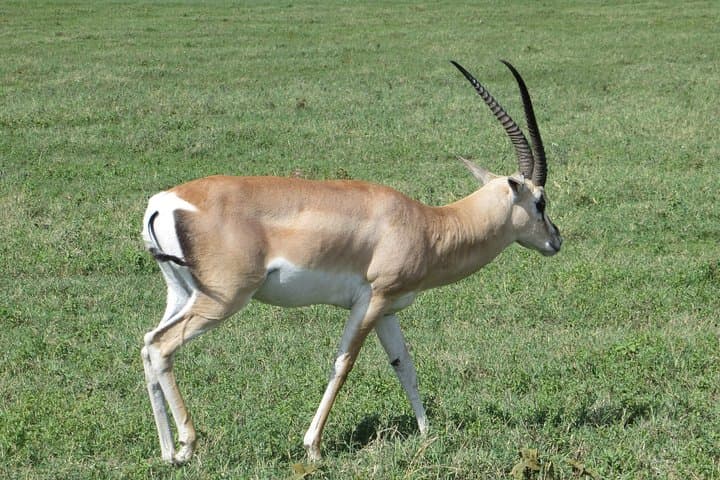
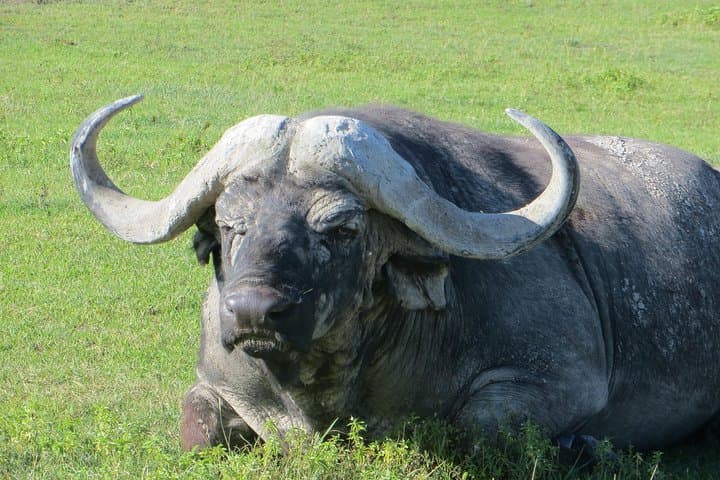
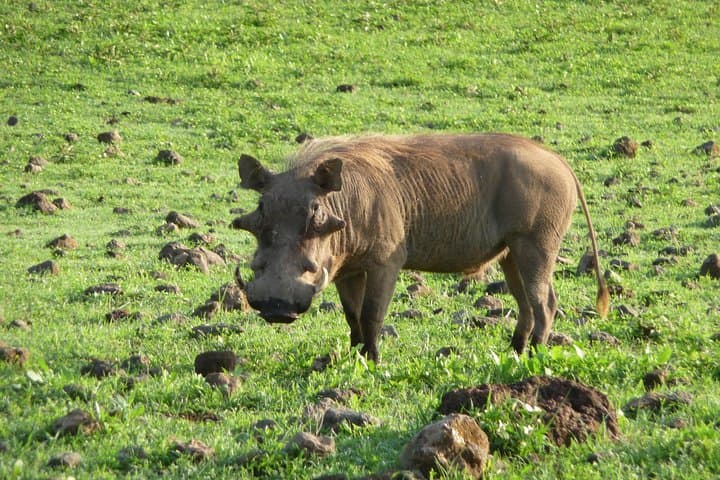
Dust lifts off the track as your 4x4 presses out of Arusha before sunrise, the pop-up roof a small platform to a wide, waiting sky. Within an hour and a half the landscape opens: riverine thickets give way to sun-baked plains punctuated by low, knobby baobabs. Tarangire’s elephants move like weather—patient, inevitable—scraping the dry riverbed for water while giraffes peering over acacia crowns watch you as much as you watch them.
Dust lifts off the track as your 4x4 presses out of Arusha before sunrise, the pop-up roof a small platform to a wide, waiting sky. Within an hour and a half the landscape opens: riverine thickets give way to sun-baked plains punctuated by low, knobby baobabs. Tarangire’s elephants move like weather—patient, inevitable—scraping the dry riverbed for water while giraffes peering over acacia crowns watch you as much as you watch them.
The park protects the Tarangire River corridor, a lifeline that has shaped local Maasai grazing patterns and the seasonal flow of wildlife across northern Tanzania for generations. Geologically, the park sits on old volcanic soils; sandy tracks and shallow pans mark the memory of floods. Culturally, the Maasai presence is visible in low homesteads and the occasional herder on the horizon.
Practically, expect a full-day outing: roughly eight hours including round-trip driving from Arusha. Game drives are conducted in open 4x4s with pop-up roofs for unobstructed viewing and photography. Bring water, sun protection and a telephoto lens; roads are dusty and can be bumpy, so motion sensitivity is common. Midday heat slows animals—early morning and late afternoon offer the best activity.
On arrival, guides read the land like a map of footprints and birdcalls; they’ll steer you toward elephant herds, giraffe clusters, and the park’s prolific birdlife. Respect viewing distances, follow your guide’s directions, and budget time for a picnic lunch beside a shaded acacia. Tarangire gives you big animals and close encounters—arrive prepared to watch quietly and move carefully.