THE ADVENTURE COLLECTIVE® · Independent discovery and booking for outdoor travel

Spend a full day in Tarangire National Park with a private guide and open jeep, watching elephant herds gather at the river and scanning baobab-lined plains for predators. This accessible day trip balances intimate wildlife viewing with on-the-ground context about ecology and conservation.
Spend a full day in Tarangire National Park with a private guide and open jeep, watching elephant herds gather at the river and scanning baobab-lined plains for predators. This accessible day trip balances intimate wildlife viewing with on-the-ground context about ecology and conservation.
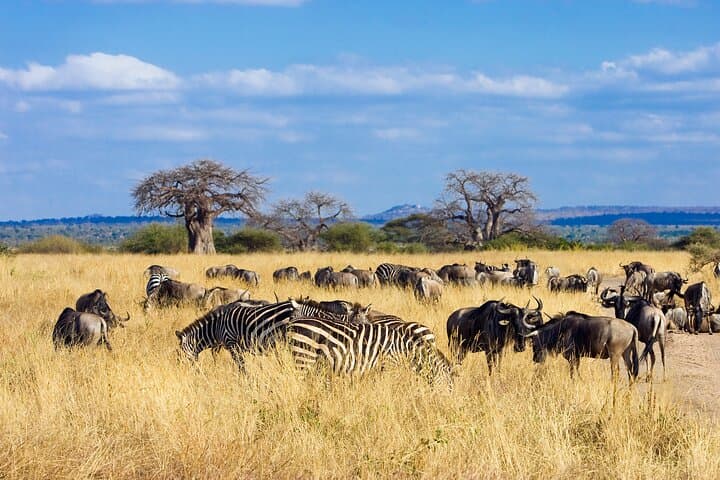
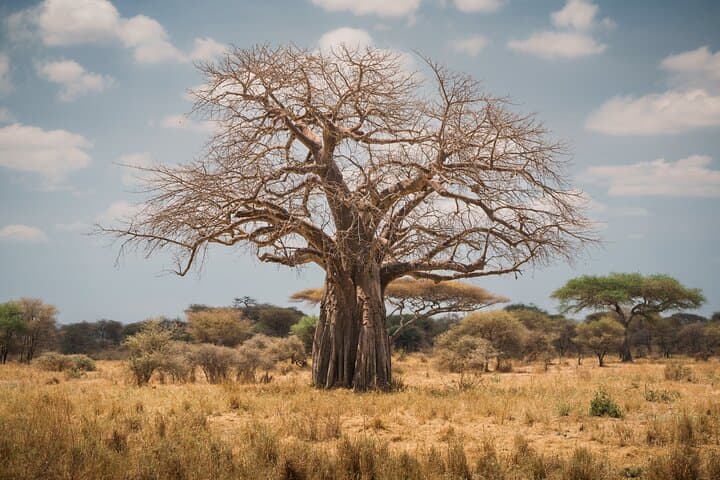
Dust lifts in sheets as the open jeep slices across the red track toward a stand of towering baobabs—elephants move like slow weather, deliberate and unhurried, drawn to the Tarangire River like clockwork.
Verified experiences and guided adventures in the surrounding area.
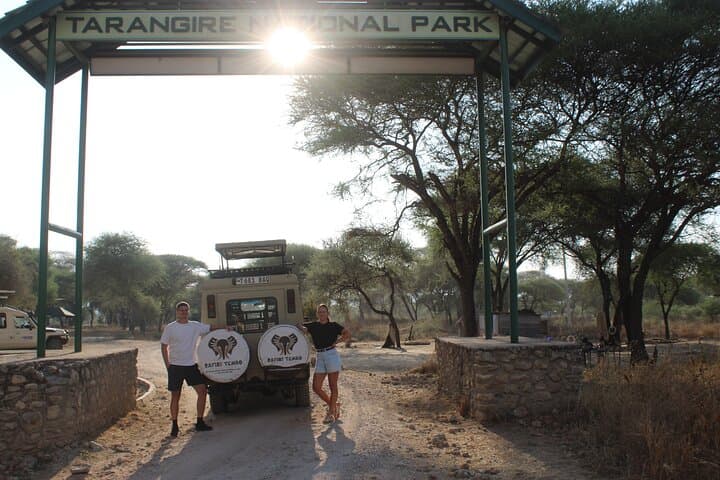
Operated by Rafiki Tembo tours & safaris · Tarangire National Park, Manyara Region
Dust lifts in sheets as the open jeep slices across the red track toward a stand of towering baobabs—elephants move like slow weather, deliberate and unhurried, drawn to the Tarangire River like clockwork.
Tarangire National Park sits on the plains south of Manyara, formed on old volcanic soils and broad alluvial fans that create shifting wetlands and dry savannah within a single day’s drive. Established in the 1970s to protect seasonal migration routes, the park’s ecology pivots on the Tarangire River: during the dry season that ribbon of water becomes a magnet for elephants, buffalo and predators.
Local Maasai communities share the landscape and history here; you’ll hear guides explain grazing patterns, traditional land use, and contemporary conservation efforts that aim to keep migrations intact.
On a private, guided day safari you can expect close-up wildlife viewing from an open-top jeep, interpretive commentary about behavior and habitat, and multiple stops at river edges and baobab groves. Terrain is mostly flat with occasional muddy patches and riverine swamps—no hiking required, but expect full days in the sun and repeated stops for photography and glassing.
Practical guidance: bring long-range binoculars and a telephoto lens, layer for early-morning chill and midday heat, carry at least 2 liters of water, and protect gear from dust. Plan departures early (before 7am) to catch predators after night activity and return in late afternoon when herds gather near water. Your guide handles park permits and navigation; your job is to watch, listen, and leave no trace.
easy.
8–10 hours.
Suitable for most fitness levels; long periods seated with short standing or climbing into the vehicle.
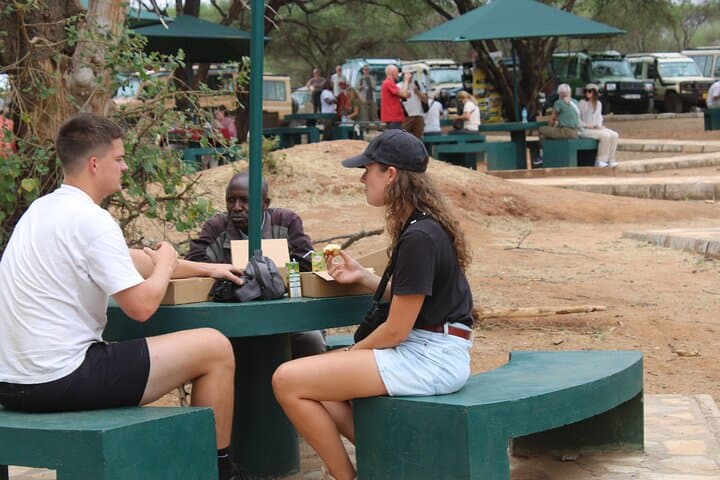
Most day safari packages include park entry fees and a boxed or lodge lunch—confirm on booking and carry small cash for souvenirs.
Typical transfer time is 1.5–2.5 hours one-way depending on route and vehicle; many itineraries depart early to maximize viewing time.
Elephants are common year-round, but dry-season concentrations near the Tarangire River (June–October) increase sighting odds and multi-herd encounters.
Yes—open jeeps are family-friendly but infants often must sit on a guardian’s lap and long days can be tiring for very young children.
Tarangire was gazetted in the early 1970s to protect seasonal migration routes and the riverine ecosystem that supports large herds.
The park protects critical dry-season range and migratory corridors; visitor best practice is to minimize disturbance, avoid off-road driving, and support community-led conservation initiatives.
Rafiki Tembo tours & safaris operates guided outdoor trips and adventures with an emphasis on safety, stewardship, and memorable experiences.
Dust lifts in sheets as the open jeep slices across the red track toward a stand of towering baobabs—elephants move like slow weather, deliberate and unhurried, drawn to the Tarangire River like clockwork.
Dust lifts in sheets as the open jeep slices across the red track toward a stand of towering baobabs—elephants move like slow weather, deliberate and unhurried, drawn to the Tarangire River like clockwork.
Tarangire National Park sits on the plains south of Manyara, formed on old volcanic soils and broad alluvial fans that create shifting wetlands and dry savannah within a single day’s drive. Established in the 1970s to protect seasonal migration routes, the park’s ecology pivots on the Tarangire River: during the dry season that ribbon of water becomes a magnet for elephants, buffalo and predators.
Local Maasai communities share the landscape and history here; you’ll hear guides explain grazing patterns, traditional land use, and contemporary conservation efforts that aim to keep migrations intact.
On a private, guided day safari you can expect close-up wildlife viewing from an open-top jeep, interpretive commentary about behavior and habitat, and multiple stops at river edges and baobab groves. Terrain is mostly flat with occasional muddy patches and riverine swamps—no hiking required, but expect full days in the sun and repeated stops for photography and glassing.
Practical guidance: bring long-range binoculars and a telephoto lens, layer for early-morning chill and midday heat, carry at least 2 liters of water, and protect gear from dust. Plan departures early (before 7am) to catch predators after night activity and return in late afternoon when herds gather near water. Your guide handles park permits and navigation; your job is to watch, listen, and leave no trace.