THE ADVENTURE COLLECTIVE® · Independent discovery and booking for outdoor travel

Spend a full day chasing elephants, giraffes, and baobab-studded horizons on a guided safari from Arusha or Kilimanjaro. This day trip combines early-morning drives, a picnic lunch, and afternoon game viewing in one of Tanzania’s wildlife-rich parks.
Spend a full day chasing elephants, giraffes, and baobab-studded horizons on a guided safari from Arusha or Kilimanjaro. This day trip combines early-morning drives, a picnic lunch, and afternoon game viewing in one of Tanzania’s wildlife-rich parks.
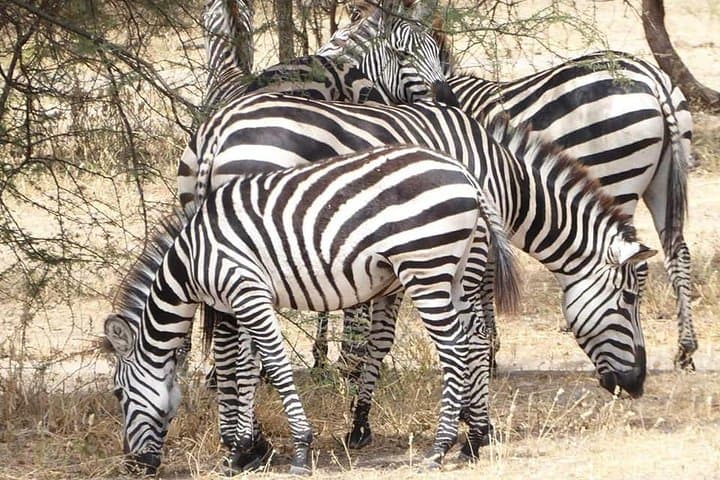
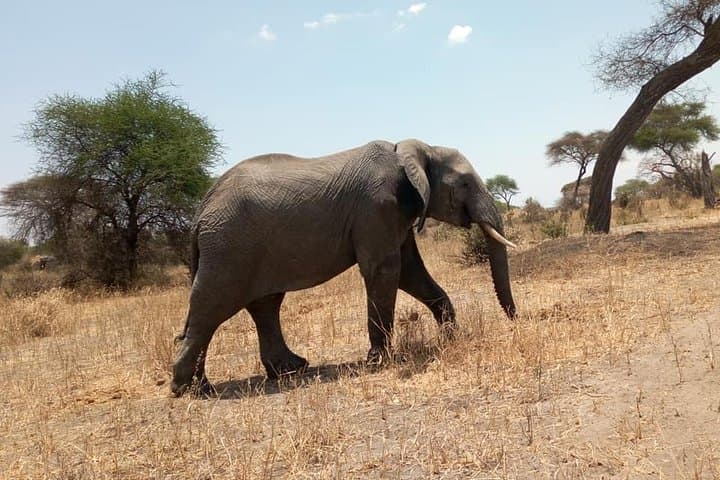
Morning light breaks across low acacia and baobab silhouettes as your driver-guide steers the dusty track toward Tarangire National Park. The park’s river threads the plain, daring herds to gather and drink; elephants move with slow deliberation while zebra and wildebeest ripple across grasslands. This is a day framed by sightings—close, unscripted, unhurried.
Verified experiences and guided adventures in the surrounding area.
Operated by Experience Zanzibar Tours & Safaris · Arusha, Arusha Region
Morning light breaks across low acacia and baobab silhouettes as your driver-guide steers the dusty track toward Tarangire National Park. The park’s river threads the plain, daring herds to gather and drink; elephants move with slow deliberation while zebra and wildebeest ripple across grasslands. This is a day framed by sightings—close, unscripted, unhurried.
Tarangire sits southeast of Lake Manyara and was formally protected in the late 1960s to preserve seasonal migration corridors tied to the Tarangire River. Geologically the park is dominated by red volcanic soils and shallow floodplains; pockets of swamp and rocky kopjes interrupt wide grassland vistas. Culturally, communities in the Arusha Region have shared the landscape with wildlife for generations, and local guides often weave Maasai knowledge into game-spotting and conservation discussions.
Expect a full-day loop: early pickup from Arusha or Kilimanjaro, mid-morning game drives, a picnic lunch in the park, then afternoon drives back to town. Terrain is mostly compact dirt roads with intermittent ruts; wildlife viewing requires patience and basic binocular skills rather than fitness. Bring sunscreen and shade—the sun is direct—and a light jacket for early morning chill.
Practical tips: confirm whether park entry and conservation fees are included, carry cash for incidental purchases, and aim for a pickup around dawn for best animal activity. If you want quieter sightings, ask for routes that skirt the larger herds near the river. A day here is not just a checklist of species; it’s a concentrated encounter with East Africa’s dry-season rhythms.
easy.
10–13 hours.
Suitable for most fitness levels—requires long periods seated in a vehicle and short walks around picnic areas
Pickups are early morning; expect a full day of about 10–13 hours round-trip including driving and game drives.
Park admission and conservation fees vary by operator—confirm with the booking provider before departure as fees are often charged separately.
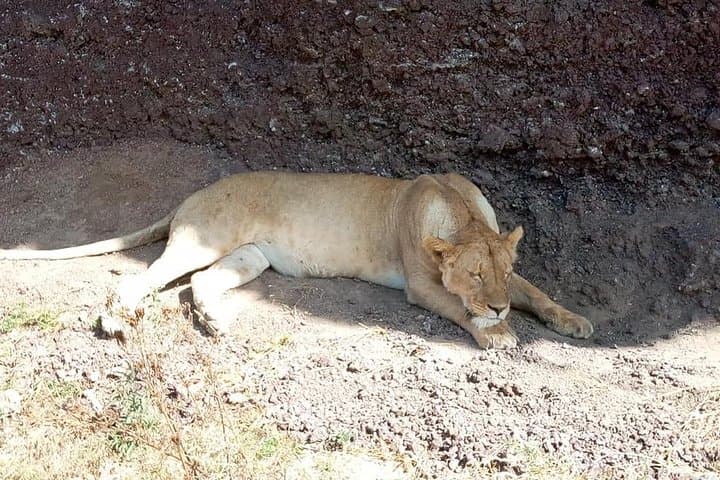
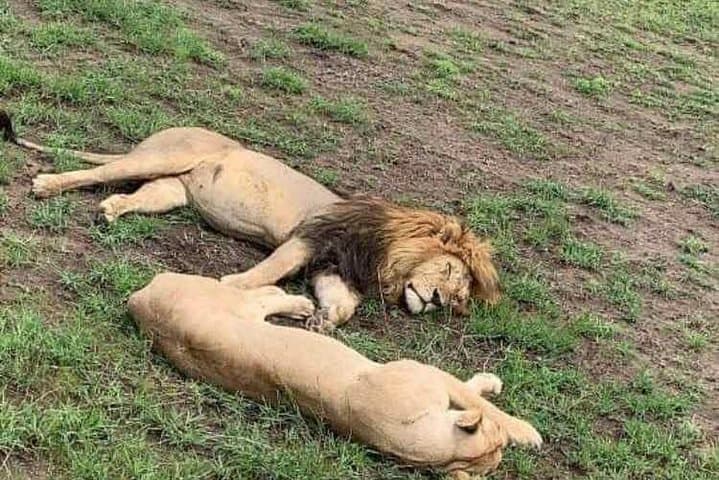
Tarangire is known for large elephant herds, giraffes, zebra, wildebeest and many antelope; leopard and rhino are possible but less commonly seen.
The safari is conducted by vehicle with short, optional walks; it’s generally suitable for most travelers but not recommended for those with serious spinal or cardiovascular conditions.
Tarangire was designated a national park in the late 1960s to protect seasonal migration routes tied to the Tarangire River.
Tourism supports anti-poaching patrols and community conservation projects; visitors can minimize impact by staying on roads, avoiding litter, and supporting local guides.
Experience Zanzibar Tours & Safaris operates guided outdoor trips and adventures with an emphasis on safety, stewardship, and memorable experiences.
Morning light breaks across low acacia and baobab silhouettes as your driver-guide steers the dusty track toward Tarangire National Park. The park’s river threads the plain, daring herds to gather and drink; elephants move with slow deliberation while zebra and wildebeest ripple across grasslands. This is a day framed by sightings—close, unscripted, unhurried.
Morning light breaks across low acacia and baobab silhouettes as your driver-guide steers the dusty track toward Tarangire National Park. The park’s river threads the plain, daring herds to gather and drink; elephants move with slow deliberation while zebra and wildebeest ripple across grasslands. This is a day framed by sightings—close, unscripted, unhurried.
Tarangire sits southeast of Lake Manyara and was formally protected in the late 1960s to preserve seasonal migration corridors tied to the Tarangire River. Geologically the park is dominated by red volcanic soils and shallow floodplains; pockets of swamp and rocky kopjes interrupt wide grassland vistas. Culturally, communities in the Arusha Region have shared the landscape with wildlife for generations, and local guides often weave Maasai knowledge into game-spotting and conservation discussions.
Expect a full-day loop: early pickup from Arusha or Kilimanjaro, mid-morning game drives, a picnic lunch in the park, then afternoon drives back to town. Terrain is mostly compact dirt roads with intermittent ruts; wildlife viewing requires patience and basic binocular skills rather than fitness. Bring sunscreen and shade—the sun is direct—and a light jacket for early morning chill.
Practical tips: confirm whether park entry and conservation fees are included, carry cash for incidental purchases, and aim for a pickup around dawn for best animal activity. If you want quieter sightings, ask for routes that skirt the larger herds near the river. A day here is not just a checklist of species; it’s a concentrated encounter with East Africa’s dry-season rhythms.