THE ADVENTURE COLLECTIVE® · Independent discovery and booking for outdoor travel

Spend a long, wildlife-rich day in Tarangire National Park, where permanent water pulls elephant herds, baobabs punctuate the plains, and predator-prey encounters unfold along the Tarangire River. This full-day from Arusha is a focused, vehicle-based safari ideal for first-time Tanzania visitors.
Spend a long, wildlife-rich day in Tarangire National Park, where permanent water pulls elephant herds, baobabs punctuate the plains, and predator-prey encounters unfold along the Tarangire River. This full-day from Arusha is a focused, vehicle-based safari ideal for first-time Tanzania visitors.
A blue-pale dawn lifts off the plains as your driver eases the minivan onto the red dirt road toward Tarangire. The park arrives gradually: a line of distant baobabs first, then scattered termite mounds like small monuments, and finally the Tarangire River—steady and deliberate, drawing herds like a magnet. The vehicle’s pop-up roof becomes a theater for watching elephants break into the morning light and for scanning branches where weaverbirds chatter.
Verified experiences and guided adventures in the surrounding area.
Operated by Safaris Partners · Arusha, Manyara Region
A blue-pale dawn lifts off the plains as your driver eases the minivan onto the red dirt road toward Tarangire. The park arrives gradually: a line of distant baobabs first, then scattered termite mounds like small monuments, and finally the Tarangire River—steady and deliberate, drawing herds like a magnet. The vehicle’s pop-up roof becomes a theater for watching elephants break into the morning light and for scanning branches where weaverbirds chatter.
Tarangire sits on the southern edge of the East African Rift, its soils and termite architecture shaped by volcanic deposits and seasonal floods. Formally gazetted in the late 1960s and early 1970s as part of Tanzania’s northern circuit, the park’s identity is a mix of pastoral Maasai lands and wildlife migration corridors; local communities have long coexisted with the rhythm of wet and dry seasons.
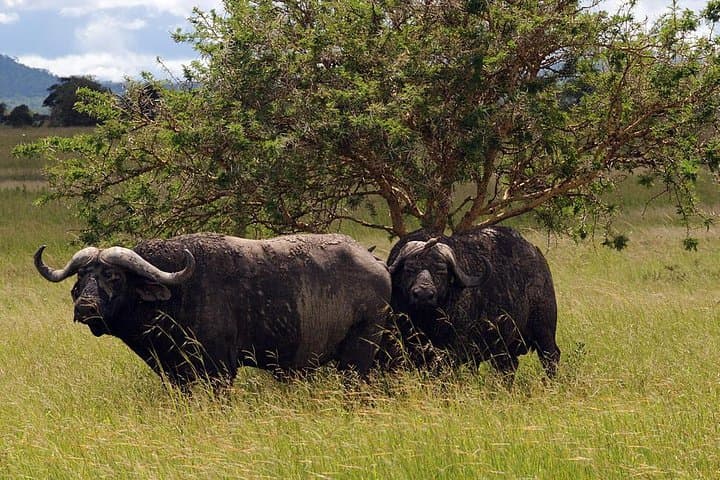
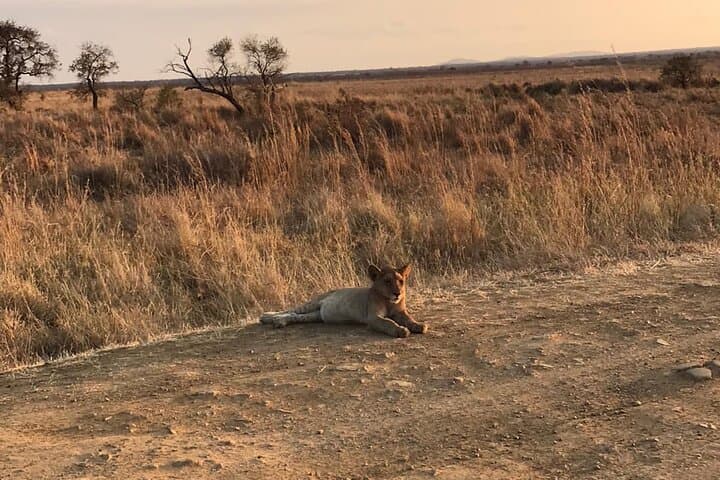
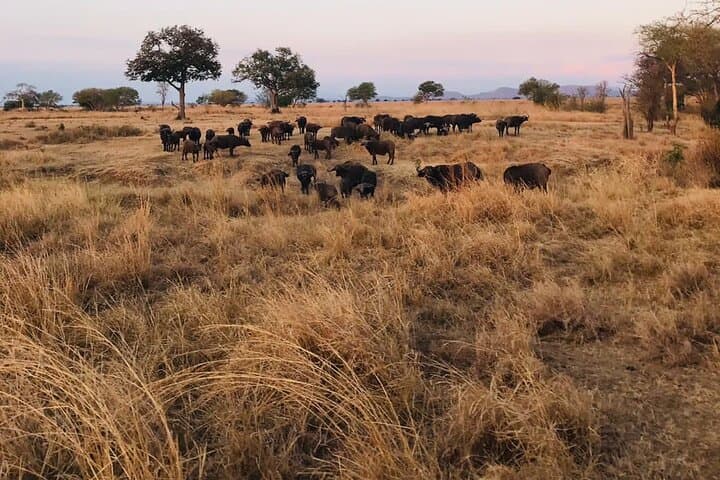
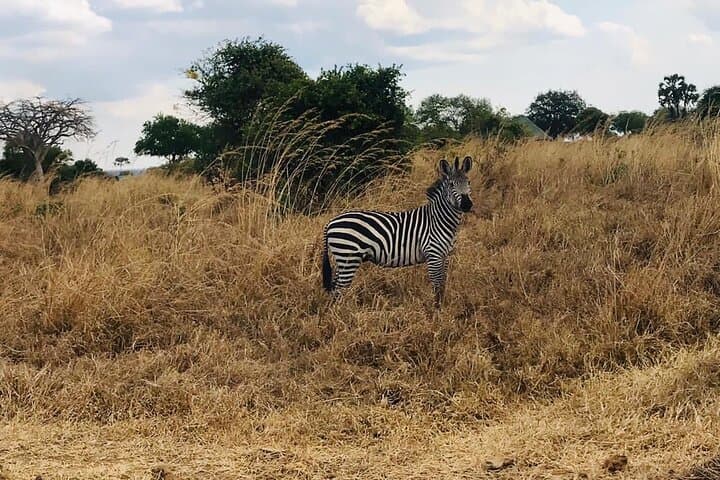
Expect broad, open plains punctuated by baobab trunks and pockets of dense acacia woodland. The permanent Tarangire River is the key feature—during the dry months it concentrates wildlife and intensifies predator-prey theater. Birders will find kingfishers, eagles and seasonal migrants; large mammals include resident elephant herds and transient predators that shadow the water.
Practical notes: it’s an early, long day (roughly 10–11 hours round-trip from Arusha, ~3 hours each way), mostly vehicle-based with short photo stops. Bring sun protection, a refillable water bottle, binoculars and a charged camera battery. Respect park rules: stay in the vehicle unless guided out, keep noise low, and carry small change for gate or restroom fees. Timing your visit for the dry season sharpens sightings, but green-season scenery has its own rewards.
easy.
10–11 hours.
Minimal fitness needed; expect long periods sitting and occasional short walks at picnic stops
Policies vary by operator; confirm with the provider whether park entrance fees are included or payable locally before booking.
Expect roughly 2.5–3 hours each way depending on traffic and road conditions—plan for a full 10–11 hour day including game drives.
Tarangire is known for large elephant herds and regular predator activity, especially near the river in the dry season, but sightings cannot be guaranteed.
Most day tours include a boxed lunch and stop at picnic sites; basic restroom facilities are available at park points but carry hand sanitizer and small change if needed.
Tarangire was designated a national park in the late 1960s–early 1970s and forms part of Tanzania’s classic northern safari circuit, protecting seasonal migration routes.
Traffic management and community-based tourism help reduce local impact; visitors should follow park rules, avoid littering, and support operators who contribute to local conservation and community programs.
Safaris Partners operates guided outdoor trips and adventures with an emphasis on safety, stewardship, and memorable experiences.
A blue-pale dawn lifts off the plains as your driver eases the minivan onto the red dirt road toward Tarangire. The park arrives gradually: a line of distant baobabs first, then scattered termite mounds like small monuments, and finally the Tarangire River—steady and deliberate, drawing herds like a magnet. The vehicle’s pop-up roof becomes a theater for watching elephants break into the morning light and for scanning branches where weaverbirds chatter.
A blue-pale dawn lifts off the plains as your driver eases the minivan onto the red dirt road toward Tarangire. The park arrives gradually: a line of distant baobabs first, then scattered termite mounds like small monuments, and finally the Tarangire River—steady and deliberate, drawing herds like a magnet. The vehicle’s pop-up roof becomes a theater for watching elephants break into the morning light and for scanning branches where weaverbirds chatter.
Tarangire sits on the southern edge of the East African Rift, its soils and termite architecture shaped by volcanic deposits and seasonal floods. Formally gazetted in the late 1960s and early 1970s as part of Tanzania’s northern circuit, the park’s identity is a mix of pastoral Maasai lands and wildlife migration corridors; local communities have long coexisted with the rhythm of wet and dry seasons.
Expect broad, open plains punctuated by baobab trunks and pockets of dense acacia woodland. The permanent Tarangire River is the key feature—during the dry months it concentrates wildlife and intensifies predator-prey theater. Birders will find kingfishers, eagles and seasonal migrants; large mammals include resident elephant herds and transient predators that shadow the water.
Practical notes: it’s an early, long day (roughly 10–11 hours round-trip from Arusha, ~3 hours each way), mostly vehicle-based with short photo stops. Bring sun protection, a refillable water bottle, binoculars and a charged camera battery. Respect park rules: stay in the vehicle unless guided out, keep noise low, and carry small change for gate or restroom fees. Timing your visit for the dry season sharpens sightings, but green-season scenery has its own rewards.