THE ADVENTURE COLLECTIVE® · Independent discovery and booking for outdoor travel

Spend a full, expertly guided day inside Tarangire National Park from Arusha—home to large elephant herds, iconic baobabs and concentrated game viewing. This practical guide covers what to expect, timing, and what to pack for a day safari.
Spend a full, expertly guided day inside Tarangire National Park from Arusha—home to large elephant herds, iconic baobabs and concentrated game viewing. This practical guide covers what to expect, timing, and what to pack for a day safari.
Dawn breaks over the plains and the silhouettes of baobabs puncture the sky as your safari vehicle rumbles onto a dusty track—Tarangire announces itself with a trumpet and a breeze that carries dust and the smell of acacia.
Verified experiences and guided adventures in the surrounding area.
Operated by Suricata Safaris · Tarangire National Park, Manyara
Dawn breaks over the plains and the silhouettes of baobabs puncture the sky as your safari vehicle rumbles onto a dusty track—Tarangire announces itself with a trumpet and a breeze that carries dust and the smell of acacia.
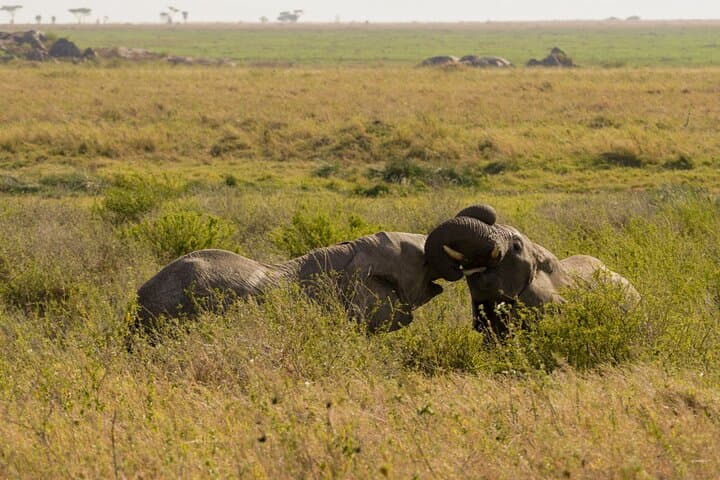
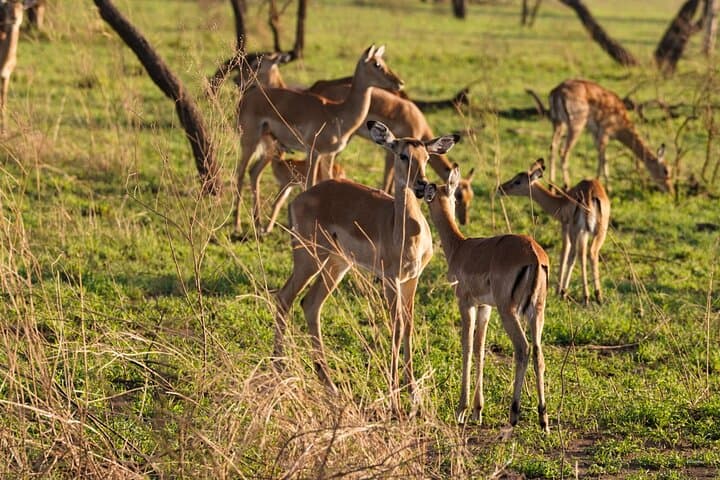
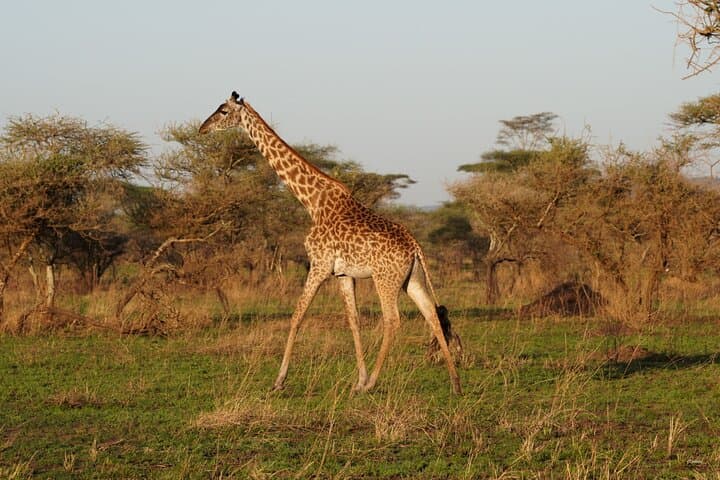
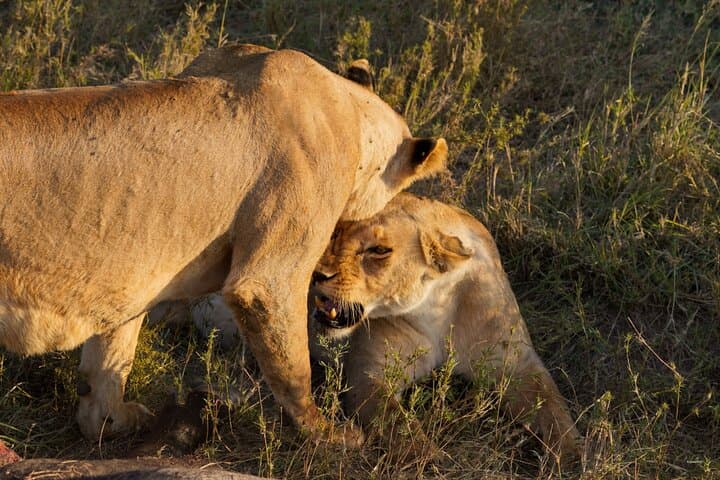
This one-day loop from Arusha takes you deep into a landscape shaped by ancient lava flows, seasonal rivers and the slow hand of wildlife. Tarangire National Park is famous for its congregations of elephants, dense birdlife and sprawling baobab trees that hold little pools of shade. Geologically the park sits on Miocene lava and alluvial soils that funnel water into the Tarangire River, creating a lifeline that concentrates game in the dry months.
Local Maasai communities graze livestock on the park margins; their presence and the park’s creation are linked to decades of conservation and changing land use in northern Tanzania. Expect skilled local guides who read spoor, time light and position vehicles for unobstructed sightings.
Practically, plan an early departure from Arusha—roughly a 2–2.5 hour drive—allowing a full day of game drives before returning in the late afternoon. Vehicles are typically 4x4s with pop-up roofs; park fees and a hot lunch are usually included. Bring sun protection, refillable water, binoculars and a zoom lens. Wildlife viewing is best in the dry season when animals cluster at water sources, but birdwatching and lush scenery reward visits during the rains. Keep respectful distances, follow your guide’s instructions and carry small change for park souvenirs or tips—the day is fast, focused and deeply rewarding for anyone wanting a concentrated safari experience.
easy.
8 hours (approx.).
Suitable for most fitness levels; involves long periods seated with short on-foot stretches for breaks
Expect about 2–2.5 hours each way depending on traffic and road conditions; departures are early to maximize park time.
Typical inclusions are certified safari guide, transport in a 4x4 vehicle, park entry fees and a hot lunch—confirm exact inclusions on booking.
The tour is listed as suitable for all fitness levels; however, prolonged time in a safari vehicle and uneven ground at lookout stops may be challenging—check with the operator for specific accommodations.
The dry season (June–October) concentrates elephants and other wildlife around water sources, offering the most consistent large-herd sightings.
Tarangire was designated a national park in 1970 to protect seasonal migration corridors and water sources for wildlife in northern Tanzania.
Park management focuses on protecting migration routes and working with Maasai communities to balance grazing and wildlife needs; visitors are encouraged to minimize waste and stick to designated tracks.
Suricata Safaris operates guided outdoor trips and adventures with an emphasis on safety, stewardship, and memorable experiences.
Dawn breaks over the plains and the silhouettes of baobabs puncture the sky as your safari vehicle rumbles onto a dusty track—Tarangire announces itself with a trumpet and a breeze that carries dust and the smell of acacia.
Dawn breaks over the plains and the silhouettes of baobabs puncture the sky as your safari vehicle rumbles onto a dusty track—Tarangire announces itself with a trumpet and a breeze that carries dust and the smell of acacia.
This one-day loop from Arusha takes you deep into a landscape shaped by ancient lava flows, seasonal rivers and the slow hand of wildlife. Tarangire National Park is famous for its congregations of elephants, dense birdlife and sprawling baobab trees that hold little pools of shade. Geologically the park sits on Miocene lava and alluvial soils that funnel water into the Tarangire River, creating a lifeline that concentrates game in the dry months.
Local Maasai communities graze livestock on the park margins; their presence and the park’s creation are linked to decades of conservation and changing land use in northern Tanzania. Expect skilled local guides who read spoor, time light and position vehicles for unobstructed sightings.
Practically, plan an early departure from Arusha—roughly a 2–2.5 hour drive—allowing a full day of game drives before returning in the late afternoon. Vehicles are typically 4x4s with pop-up roofs; park fees and a hot lunch are usually included. Bring sun protection, refillable water, binoculars and a zoom lens. Wildlife viewing is best in the dry season when animals cluster at water sources, but birdwatching and lush scenery reward visits during the rains. Keep respectful distances, follow your guide’s instructions and carry small change for park souvenirs or tips—the day is fast, focused and deeply rewarding for anyone wanting a concentrated safari experience.