THE ADVENTURE COLLECTIVE® · Independent discovery and booking for outdoor travel

Spend a focused day in Tarangire National Park where high elephant densities, towering baobabs and riverside game drives concentrate classic East African safari viewing into one accessible outing from Arusha.
Spend a focused day in Tarangire National Park where high elephant densities, towering baobabs and riverside game drives concentrate classic East African safari viewing into one accessible outing from Arusha.
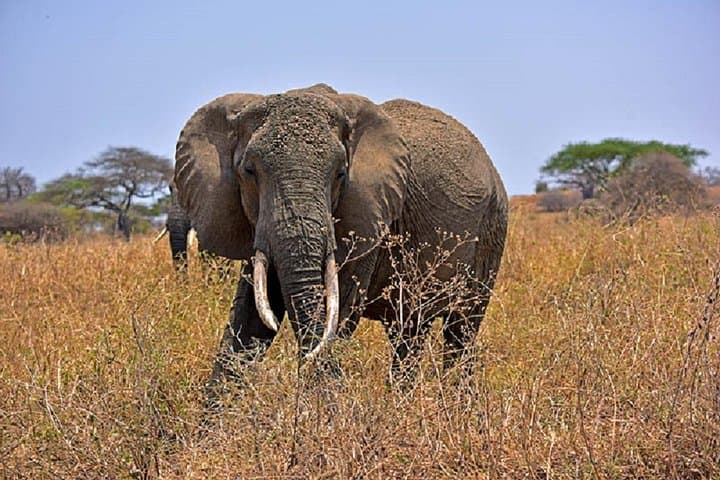
Dawn unfurls over a river lined with ancient baobabs — trunks swollen like timekeepers and shadows stilledup as the vehicle pulls beside a watering hole. The air tastes of dust and green growth; elephants thread through scrub, calves tailing matriarchs, while birds quarrel over reeds. This is Tarangire on a focused day trip: concentrated wildlife, open skies, and terrain that changes from riverine forest to dry acacia plains.
Verified experiences and guided adventures in the surrounding area.
Operated by Soul of Tanzania · Arusha, Arusha Region
Dawn unfurls over a river lined with ancient baobabs — trunks swollen like timekeepers and shadows stilledup as the vehicle pulls beside a watering hole. The air tastes of dust and green growth; elephants thread through scrub, calves tailing matriarchs, while birds quarrel over reeds. This is Tarangire on a focused day trip: concentrated wildlife, open skies, and terrain that changes from riverine forest to dry acacia plains.
Tarangire National Park was designated in 1970 and sits on a geological seam where basement rock gives way to sandy river terraces carved by the Tarangire River. That river dictates life here — in the dry season it becomes the region’s magnet, pulling together elephant families, predators, and migratory grazers. The Maasai communities on the park edges maintain cattle corridors and cultural rhythms that still shape land use and conservation.
Practical planning: expect a full-day schedule with hotel pickup around 8am from Arusha and return by late afternoon. The tour typically runs in a 4WD with a trained guide; long vehicle stints are punctuated by short, guided walks or picnic stops at river observatories. Bring sun protection, refillable water, and binoculars; morning and late-afternoon drives increase chance of predator activity. Photography benefits from a 200–400mm lens or steady binoculars — zooms capture distant herds while the compact vehicle lets you approach watering areas safely.
Respect park rules: remain inside the vehicle unless instructed, keep noise low around wildlife, and follow your guide’s directions. With basic preparation this day trip delivers concentrated, reliable wildlife viewing framed by baobabs, river life, and the pulse of East African savanna.
easy.
9–10 hours.
Suitable for travelers with basic mobility; long vehicle rides and short walks only.
Expect about 1.5–2 hours each way depending on road and traffic conditions; transfers are typically included in the day tour.
Tarangire has one of the highest concentrations of elephants in Tanzania and sightings are common, especially during the dry season when herds gather near the river.
No — for safety and park rules you should only leave the vehicle when your guide confirms a safe, designated stop.
Yes for vehicle-based viewing, but inform the operator about mobility needs; the tour notes it is not recommended for people with severe spinal or heart conditions.
Tarangire was declared a national park in 1970; the area has long been part of seasonal migratory routes used by wildlife and local Maasai communities.
Water availability drives wildlife movement here; supporting park fees and responsible operators helps fund ranger patrols and community conservation programs.
Soul of Tanzania operates guided outdoor trips and adventures with an emphasis on safety, stewardship, and memorable experiences.
Dawn unfurls over a river lined with ancient baobabs — trunks swollen like timekeepers and shadows stilledup as the vehicle pulls beside a watering hole. The air tastes of dust and green growth; elephants thread through scrub, calves tailing matriarchs, while birds quarrel over reeds. This is Tarangire on a focused day trip: concentrated wildlife, open skies, and terrain that changes from riverine forest to dry acacia plains.
Dawn unfurls over a river lined with ancient baobabs — trunks swollen like timekeepers and shadows stilledup as the vehicle pulls beside a watering hole. The air tastes of dust and green growth; elephants thread through scrub, calves tailing matriarchs, while birds quarrel over reeds. This is Tarangire on a focused day trip: concentrated wildlife, open skies, and terrain that changes from riverine forest to dry acacia plains.
Tarangire National Park was designated in 1970 and sits on a geological seam where basement rock gives way to sandy river terraces carved by the Tarangire River. That river dictates life here — in the dry season it becomes the region’s magnet, pulling together elephant families, predators, and migratory grazers. The Maasai communities on the park edges maintain cattle corridors and cultural rhythms that still shape land use and conservation.
Practical planning: expect a full-day schedule with hotel pickup around 8am from Arusha and return by late afternoon. The tour typically runs in a 4WD with a trained guide; long vehicle stints are punctuated by short, guided walks or picnic stops at river observatories. Bring sun protection, refillable water, and binoculars; morning and late-afternoon drives increase chance of predator activity. Photography benefits from a 200–400mm lens or steady binoculars — zooms capture distant herds while the compact vehicle lets you approach watering areas safely.
Respect park rules: remain inside the vehicle unless instructed, keep noise low around wildlife, and follow your guide’s directions. With basic preparation this day trip delivers concentrated, reliable wildlife viewing framed by baobabs, river life, and the pulse of East African savanna.