THE ADVENTURE COLLECTIVE® · Independent discovery and booking for outdoor travel

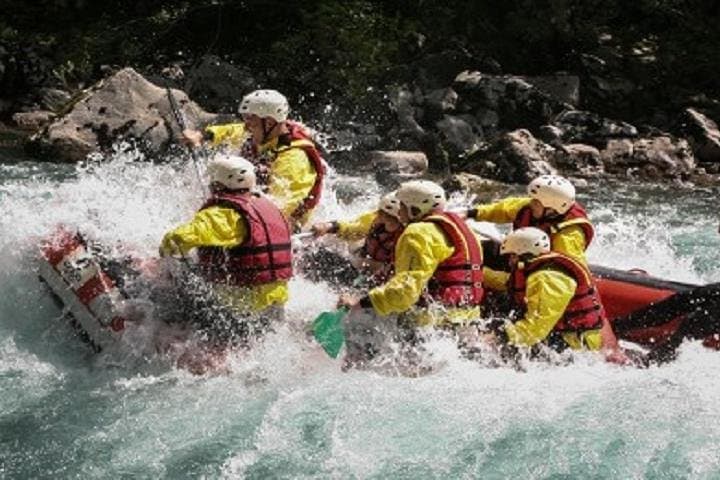
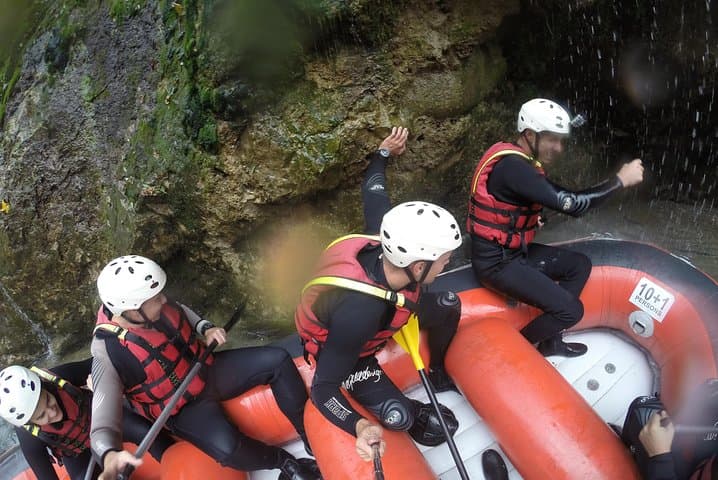
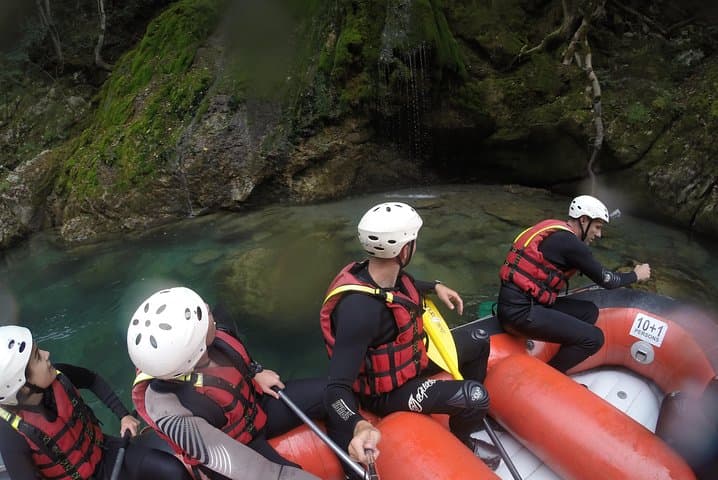
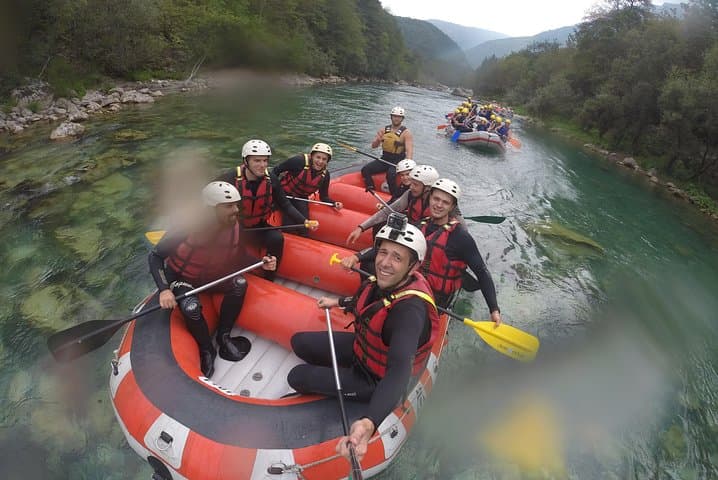
Cut through limestone cliffs and spruce-green slopes on a private rafting run down the Tara River—Europe’s deepest canyon. This three-hour trip pairs whitewater rhythm with riverside lunch and guided transfers from coastal hubs.
Cut through limestone cliffs and spruce-green slopes on a private rafting run down the Tara River—Europe’s deepest canyon. This three-hour trip pairs whitewater rhythm with riverside lunch and guided transfers from coastal hubs.
The motor hums to life before dawn, and as the minivan peels away from the highway the mountains close in like theater curtains. By the time the first light slants into the gorge, the Tara River has already been at work—cutting, polishing and daring travelers through a corridor of limestone and spruce. On a private three-hour rafting excursion, the river becomes both route and storyteller: it pushes, it whispers, and in the canyon’s tight turns it reminders you that this is Europe’s deepest gorge.
Verified experiences and guided adventures in the surrounding area.
Operated by MiS Travel Agency · Žabljak, Montenegro
The motor hums to life before dawn, and as the minivan peels away from the highway the mountains close in like theater curtains. By the time the first light slants into the gorge, the Tara River has already been at work—cutting, polishing and daring travelers through a corridor of limestone and spruce. On a private three-hour rafting excursion, the river becomes both route and storyteller: it pushes, it whispers, and in the canyon’s tight turns it reminders you that this is Europe’s deepest gorge.
Geology here reads like a long ledger of slow violence—millions of years of uplift and water have carved a channel that plunges 1,300 meters in places. The canyon sits at the edge of Durmitor National Park and brushes Sutjeska National Park, landscapes protected for their karst ridges, glacial cirques and old-growth spruce. Human history threads through too: Ottoman roads, Austro-Hungarian mapping, and mountain communities that learned to read the river’s moods long before tourism arrived.
Culturally, the route passes villages where lamb still hangs from rafters and the local language carries the cadence of highland life. Lunch on this private tour is a home-style plate—veal or lamb with potato salad—served riverside, a simple, honest meal that tastes like the place: robust, smoky, and immediate.
Practically, this trip is designed for accessibility. The operator supplies rafts, helmets, life jackets and river footwear; English-speaking drivers provide door-to-door pickup from coastal hubs if arranged. The full experience runs about three hours on the river, but expect the total day—pickup, transfers and lunch—to fill most of the morning and early afternoon when departing from farther points like Kotor.
What to prepare: wear quick-dry layers, bring a sturdy pair of water shoes or old trainers, and stash phone and camera in a dry bag. The river shifts temperament with the seasons—spring runoff is louder and faster; late summer offers flat-water stretches and warm shorelines. Even on calm days the canyon’s stone keeps shade, so bring sun protection and a light insulating layer.
Safety and etiquette are direct: listen to your guide, keep your helmet and life jacket fastened, and avoid cliff-jumping—rapids and undercuts can surprise even experienced swimmers. Leave no trace: the canyon’s ecosystem is fragile and part of a UNESCO-protected landscape.
For travelers, the payoff is concrete: viewlines from mid-river that dwarf roadside overlooks, the Đurđevića Tara Bridge framed like a human punctuation mark, and the satisfaction of having navigated a river that has been shaping the highlands since before recorded time. This is rafting with context—adrenaline threaded with geology, history and the kind of quiet that only a canyon can hold.
moderate.
3 hours (on-river); half to full day including transfers.
Suitable for most people in reasonable health; basic mobility and comfort in water recommended
No—this private tour accommodates beginners; guides provide a safety briefing and basic paddling instruction before you launch.
Transfers, bottled water, lunch (veal or lamb with potato salad), rafts, helmets, life jackets, river footwear and an English-speaking driver are included.
The on-river time is approximately three hours; total door-to-door time depends on your pickup point and can make the outing a half- or full-day trip.
Most operators allow children and older adults with no strict weight limit, but inform the supplier at booking if you have small children or mobility concerns so appropriate precautions can be taken.
Yes—bring a waterproof camera or secure devices in a dry bag; you can keep it in the raft but follow guide instructions during rapids.
Rafting runs may be adjusted or rescheduled for safety; the standard cancellation policy allows a full refund if cancelled at least 24 hours in advance.
The Tara canyon region has been a crossroads of Balkan empires; Durmitor National Park is UNESCO-listed for its glacial landscapes and cultural mountain settlements.
The river flows through protected national parks—practice leave-no-trace, avoid single-use plastics, and follow local guide rules to limit erosion and wildlife disturbance.
MiS Travel Agency operates guided outdoor trips and adventures with an emphasis on safety, stewardship, and memorable experiences.
The motor hums to life before dawn, and as the minivan peels away from the highway the mountains close in like theater curtains. By the time the first light slants into the gorge, the Tara River has already been at work—cutting, polishing and daring travelers through a corridor of limestone and spruce. On a private three-hour rafting excursion, the river becomes both route and storyteller: it pushes, it whispers, and in the canyon’s tight turns it reminders you that this is Europe’s deepest gorge.
The motor hums to life before dawn, and as the minivan peels away from the highway the mountains close in like theater curtains. By the time the first light slants into the gorge, the Tara River has already been at work—cutting, polishing and daring travelers through a corridor of limestone and spruce. On a private three-hour rafting excursion, the river becomes both route and storyteller: it pushes, it whispers, and in the canyon’s tight turns it reminders you that this is Europe’s deepest gorge.
Geology here reads like a long ledger of slow violence—millions of years of uplift and water have carved a channel that plunges 1,300 meters in places. The canyon sits at the edge of Durmitor National Park and brushes Sutjeska National Park, landscapes protected for their karst ridges, glacial cirques and old-growth spruce. Human history threads through too: Ottoman roads, Austro-Hungarian mapping, and mountain communities that learned to read the river’s moods long before tourism arrived.
Culturally, the route passes villages where lamb still hangs from rafters and the local language carries the cadence of highland life. Lunch on this private tour is a home-style plate—veal or lamb with potato salad—served riverside, a simple, honest meal that tastes like the place: robust, smoky, and immediate.
Practically, this trip is designed for accessibility. The operator supplies rafts, helmets, life jackets and river footwear; English-speaking drivers provide door-to-door pickup from coastal hubs if arranged. The full experience runs about three hours on the river, but expect the total day—pickup, transfers and lunch—to fill most of the morning and early afternoon when departing from farther points like Kotor.
What to prepare: wear quick-dry layers, bring a sturdy pair of water shoes or old trainers, and stash phone and camera in a dry bag. The river shifts temperament with the seasons—spring runoff is louder and faster; late summer offers flat-water stretches and warm shorelines. Even on calm days the canyon’s stone keeps shade, so bring sun protection and a light insulating layer.
Safety and etiquette are direct: listen to your guide, keep your helmet and life jacket fastened, and avoid cliff-jumping—rapids and undercuts can surprise even experienced swimmers. Leave no trace: the canyon’s ecosystem is fragile and part of a UNESCO-protected landscape.
For travelers, the payoff is concrete: viewlines from mid-river that dwarf roadside overlooks, the Đurđevića Tara Bridge framed like a human punctuation mark, and the satisfaction of having navigated a river that has been shaping the highlands since before recorded time. This is rafting with context—adrenaline threaded with geology, history and the kind of quiet that only a canyon can hold.