THE ADVENTURE COLLECTIVE® · Independent discovery and booking for outdoor travel

Explore Taos at your own pace with a GPS-guided walking tour that starts at the Harwood Museum and finishes at the Kit Carson gravesite. Learn about Taos’s Pueblo, Spanish and frontier history while wandering plazas, galleries and historic streets — anytime, year-round.
Explore Taos at your own pace with a GPS-guided walking tour that starts at the Harwood Museum and finishes at the Kit Carson gravesite. Learn about Taos’s Pueblo, Spanish and frontier history while wandering plazas, galleries and historic streets — anytime, year-round.
You step outside the Harwood Museum with the Sangre de Cristo range watching from the east, a dry wind pushing sun-warmed adobe dust along Ledoux Street. The app pings; a voice and short text invite you toward the plaza where weathered lintels, cast-iron balconies and galleries line a walk that has carried traders, artists and pueblos for centuries.
Verified experiences and guided adventures in the surrounding area.
Operated by WalknTours · Taos, New Mexico
You step outside the Harwood Museum with the Sangre de Cristo range watching from the east, a dry wind pushing sun-warmed adobe dust along Ledoux Street. The app pings; a voice and short text invite you toward the plaza where weathered lintels, cast-iron balconies and galleries line a walk that has carried traders, artists and pueblos for centuries.
Taos sits at the meeting point of Puebloan, Spanish colonial and Anglo frontier histories. The downtown fabric is mostly low adobe buildings on volcanic and alluvial soils shaped by centuries of human settlement; you’ll hear about ranching, the artist colony of the early 20th century and figures like Kit Carson who left complicated legacies.
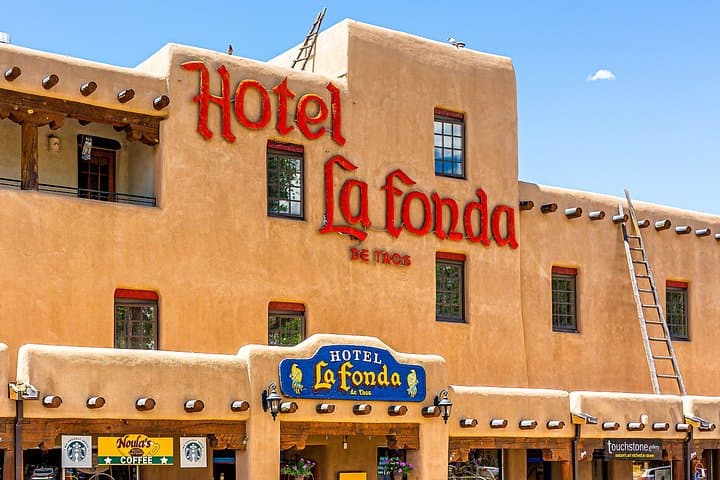
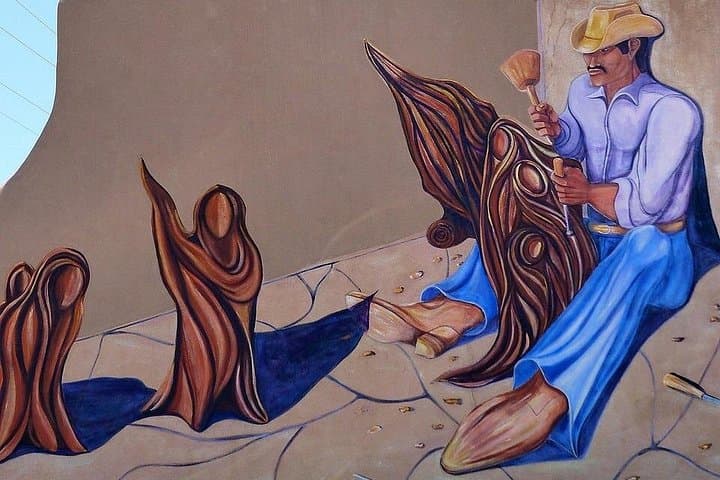
Stroll past mission churches, hotels from the railroad era, and storefronts that still sell woven textiles and contemporary printmaking. The route is entirely outside, largely flat, and designed for self-paced exploration; plaques and app stops unpack local stories and point to storefront studios where living artists make work.
Practical edge: the usual high-desert cautions apply — sun, low humidity and sudden afternoon storms in summer. Download the WalknTours app before you arrive, unlock the tour with the provided code, and allow location permissions so the route cues fire as you move. Expect 50–60 minutes of walking, plenty of opportunities to pause for coffee or gallery browsing, and wear shoes suited for uneven sidewalks and occasional gravel alleys.
This is an accessible urban walk that doubles as a concise cultural primer on Taos: easy to customize, rich in local detail, and best taken in the soft light of morning or late afternoon.
easy.
50–60 minutes.
Suitable for most fitness levels; requires sustained walking at a relaxed pace and negotiating short stretches of uneven pavement.
Download the WalknTours app, register an account, select the Taos Downtown Walking Tour and enter the experience code to unlock it; begin outside the Harwood Museum on Ledoux Street.
No — it’s a self-guided GPS app tour that lets you move at your own pace with audio and text stops; there’s no live guide included.
The tour is mostly on sidewalks and flat plaza areas and is rated easy; service animals are allowed. Some historic doorways and alleys may be narrower or have steps.
You can receive a full refund if you cancel at least 24 hours before your scheduled start time; tickets never expire so you can take the tour anytime after unlocking it.
Taos has been a crossroads of Puebloan communities, Spanish colonial settlement and Anglo artists since the 18th century; downtown reflects layers of trade, religion, and the early 20th-century artist colony movement.
Respect fragile adobe facades and private properties, pack out trash, and follow Leave No Trace principles in and around historic sites to protect cultural resources.
WalknTours operates guided outdoor trips and adventures with an emphasis on safety, stewardship, and memorable experiences.
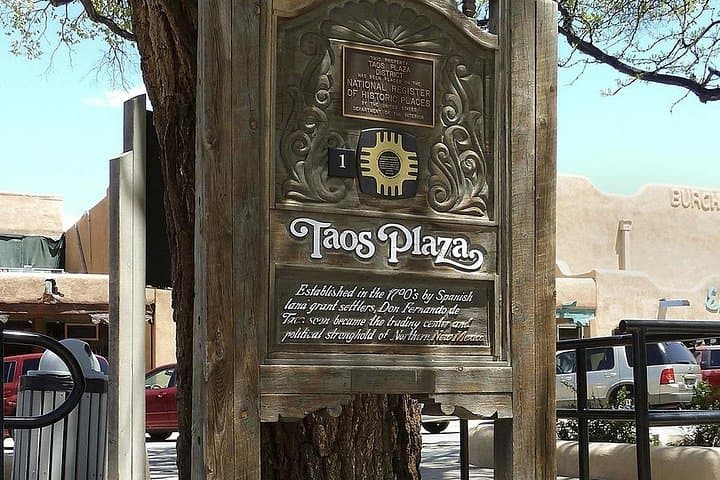
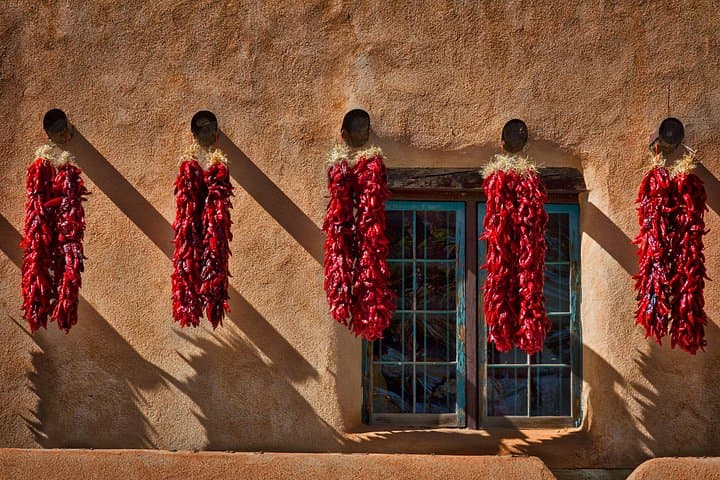
You step outside the Harwood Museum with the Sangre de Cristo range watching from the east, a dry wind pushing sun-warmed adobe dust along Ledoux Street. The app pings; a voice and short text invite you toward the plaza where weathered lintels, cast-iron balconies and galleries line a walk that has carried traders, artists and pueblos for centuries.
You step outside the Harwood Museum with the Sangre de Cristo range watching from the east, a dry wind pushing sun-warmed adobe dust along Ledoux Street. The app pings; a voice and short text invite you toward the plaza where weathered lintels, cast-iron balconies and galleries line a walk that has carried traders, artists and pueblos for centuries.
Taos sits at the meeting point of Puebloan, Spanish colonial and Anglo frontier histories. The downtown fabric is mostly low adobe buildings on volcanic and alluvial soils shaped by centuries of human settlement; you’ll hear about ranching, the artist colony of the early 20th century and figures like Kit Carson who left complicated legacies.
Stroll past mission churches, hotels from the railroad era, and storefronts that still sell woven textiles and contemporary printmaking. The route is entirely outside, largely flat, and designed for self-paced exploration; plaques and app stops unpack local stories and point to storefront studios where living artists make work.
Practical edge: the usual high-desert cautions apply — sun, low humidity and sudden afternoon storms in summer. Download the WalknTours app before you arrive, unlock the tour with the provided code, and allow location permissions so the route cues fire as you move. Expect 50–60 minutes of walking, plenty of opportunities to pause for coffee or gallery browsing, and wear shoes suited for uneven sidewalks and occasional gravel alleys.
This is an accessible urban walk that doubles as a concise cultural primer on Taos: easy to customize, rich in local detail, and best taken in the soft light of morning or late afternoon.