THE ADVENTURE COLLECTIVE® · Independent discovery and booking for outdoor travel

Spend a full day at the Mererani Tanzanite mines to see where the world’s rare blue Tanzanite is extracted. This hands-on tour from Arusha mixes geology, local culture, and frontline mining operations.
Spend a full day at the Mererani Tanzanite mines to see where the world’s rare blue Tanzanite is extracted. This hands-on tour from Arusha mixes geology, local culture, and frontline mining operations.
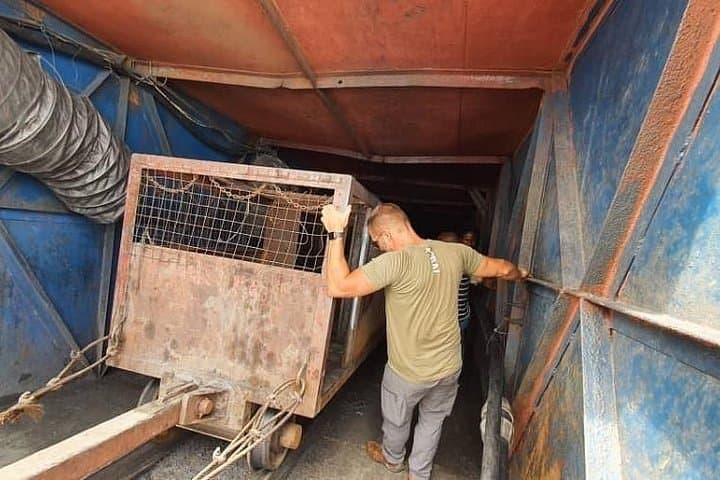
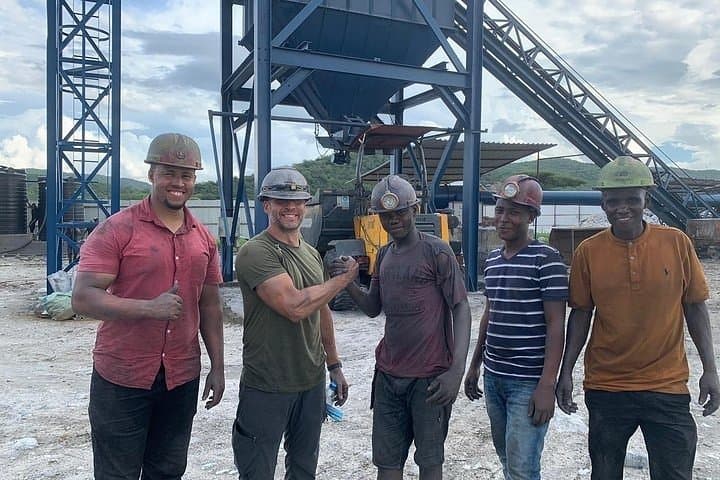
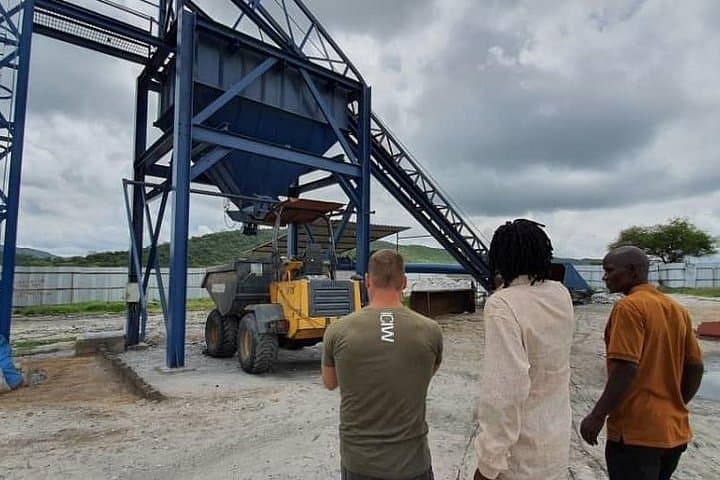
You step out of the minivan onto dusty ground where the earth still smells of heat and iron. Low scrub and red tracks frame a working landscape: corrugated shacks, pulley systems, and miners moving in practiced rhythms. Here the ground yields a blue unlike any other — Tanzanite — and the day tour moves between observation, explanation, and hands-on perspective.
Verified experiences and guided adventures in the surrounding area.
Operated by Africa Outland Tours · Mererani, Manyara Region
You step out of the minivan onto dusty ground where the earth still smells of heat and iron. Low scrub and red tracks frame a working landscape: corrugated shacks, pulley systems, and miners moving in practiced rhythms. Here the ground yields a blue unlike any other — Tanzanite — and the day tour moves between observation, explanation, and hands-on perspective.
Tanzanite was first recognized in the Mererani Hills in the late 1960s; the stone forms in metamorphic pockets associated with igneous intrusions and is unique to this small region. The geology is simple, raw and practical: volcanic and metamorphosed host rock with deep, narrow shafts that miners follow with picks and winches. Culturally, the mines sit in Maasai country; many families have worked these seams for generations and the local market reflects a long, complicated relationship between community livelihoods and global gem trade.
Expect a full-day outing from Arusha that mixes road time with on-site demonstrations. You’ll descend into open shafts to watch extraction methods, inspect rough material, and talk to miners about daily routines and safety. Photography is usually permitted but be respectful and ask first. Bring a copy of your passport for immigration controls at the site.
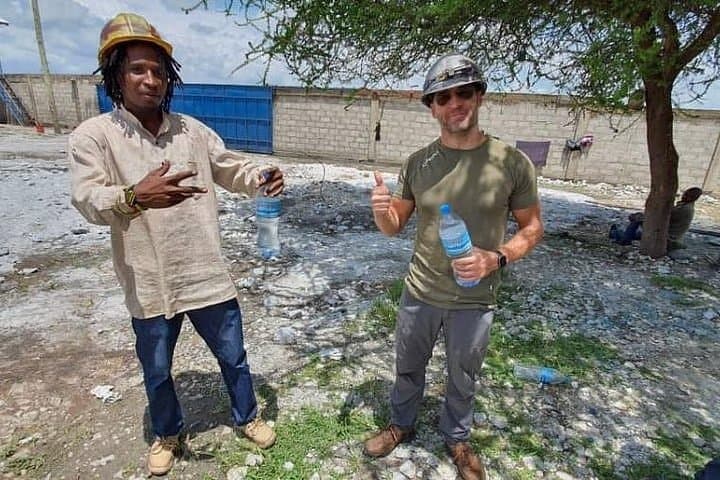
Practicalities: wear closed-toe shoes, sun protection, and a light layer for dusty, windy conditions. Hydrate before and during the visit — bottled water is commonly provided — and budget time afterward to visit the local cutting and polishing stalls if you’re considering a purchase. This is an industrial, active site: curiosity and caution travel well together.
moderate.
8–9 hours.
Moderate fitness recommended: you’ll walk on uneven ground and may descend shallow shafts.
Guided visits focus on observation areas and safe vantage points; follow your guide’s instructions, avoid restricted zones, and wear appropriate footwear.
There are local sellers and cutting workshops where you can purchase rough or finished stones—if buying, seek receipts and be aware of export and tax regulations.
The tour operator advises against participation for pregnant travelers and those with serious spinal or heart conditions; children may be allowed but should be supervised closely around equipment and machinery.
Most day tours include necessary site permissions, but you should carry passport ID and follow any requirements your operator lists during booking.
Tanzanite was identified in the late 1960s in the Mererani Hills; mining has since been a significant local economy and point of global gem interest.
Mining alters landscapes and water use; choose operators who support local communities and follow official site regulations to minimize impact.
Africa Outland Tours operates guided outdoor trips and adventures with an emphasis on safety, stewardship, and memorable experiences.
You step out of the minivan onto dusty ground where the earth still smells of heat and iron. Low scrub and red tracks frame a working landscape: corrugated shacks, pulley systems, and miners moving in practiced rhythms. Here the ground yields a blue unlike any other — Tanzanite — and the day tour moves between observation, explanation, and hands-on perspective.
You step out of the minivan onto dusty ground where the earth still smells of heat and iron. Low scrub and red tracks frame a working landscape: corrugated shacks, pulley systems, and miners moving in practiced rhythms. Here the ground yields a blue unlike any other — Tanzanite — and the day tour moves between observation, explanation, and hands-on perspective.
Tanzanite was first recognized in the Mererani Hills in the late 1960s; the stone forms in metamorphic pockets associated with igneous intrusions and is unique to this small region. The geology is simple, raw and practical: volcanic and metamorphosed host rock with deep, narrow shafts that miners follow with picks and winches. Culturally, the mines sit in Maasai country; many families have worked these seams for generations and the local market reflects a long, complicated relationship between community livelihoods and global gem trade.
Expect a full-day outing from Arusha that mixes road time with on-site demonstrations. You’ll descend into open shafts to watch extraction methods, inspect rough material, and talk to miners about daily routines and safety. Photography is usually permitted but be respectful and ask first. Bring a copy of your passport for immigration controls at the site.
Practicalities: wear closed-toe shoes, sun protection, and a light layer for dusty, windy conditions. Hydrate before and during the visit — bottled water is commonly provided — and budget time afterward to visit the local cutting and polishing stalls if you’re considering a purchase. This is an industrial, active site: curiosity and caution travel well together.