THE ADVENTURE COLLECTIVE® · Independent discovery and booking for outdoor travel

Mount a horse near Arusha and follow dust tracks through acacia scrub to spots where zebras and antelope graze within saddle range. These two-hour rides suit beginners and experienced riders who want a closer, quieter way to encounter East African wildlife.
Mount a horse near Arusha and follow dust tracks through acacia scrub to spots where zebras and antelope graze within saddle range. These two-hour rides suit beginners and experienced riders who want a closer, quieter way to encounter East African wildlife.
You rise with the light and mount on a quiet estate half an hour from Arusha, the horse’s breath steaming in the cool morning. Tracks cut through open grass and acacia scrub; zebras lift their heads and wildebeest drift like punctuation in the distance while vervet monkeys chatter in the trees. The rhythm of hooves sets the pace—steady when you’re learning, urgent when the guide opens the canter across a plain.
Verified experiences and guided adventures in the surrounding area.
Operated by Kaskazi Horse Safaris · Arusha, Arusha Region
You rise with the light and mount on a quiet estate half an hour from Arusha, the horse’s breath steaming in the cool morning. Tracks cut through open grass and acacia scrub; zebras lift their heads and wildebeest drift like punctuation in the distance while vervet monkeys chatter in the trees. The rhythm of hooves sets the pace—steady when you’re learning, urgent when the guide opens the canter across a plain.
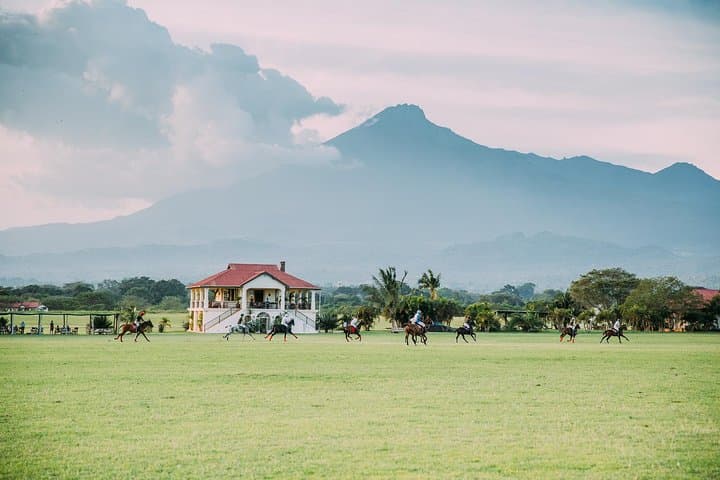
This corner of northern Tanzania sits on volcanic soils from nearby Mount Meru, a landscape shaped by the eastern branch of the Rift. The Arusha area has long been used by pastoralists and smallholder farms, and today private ranches and conservancies manage pockets of habitat where game grazes within reach of a saddle; local guides bring cultural insight into Maasai and Swahili life along with navigation skills.
Expect two-hour rides that accommodate beginners and experienced riders: gentle hacks on estate tracks, or faster expeditions along meandering paths that reach quieter waterholes and vantage points. Horses make accessible the narrow corridors jeeps avoid, so you can close the distance without disturbing the animals’ routines.
Practical notes: helmets are provided, rides run twice daily, and weather can shift quickly—start early for cooler air and better light for wildlife. Bring long sleeves for sun and bite protection, a filled water bottle, and shoes with a modest heel. Follow your guide’s spacing rules around wildlife and carry modest cash for tips. With sensible preparation, a horse safari here is a direct, tactile way to meet Tanzania’s plains and the animals that live there.
moderate.
2 hours.
Suitable for people comfortable sitting in a saddle for two hours and able to mount/dismount with minimal assistance; no high cardio fitness required.
No—rides accommodate complete beginners with gentle hacks; experienced riders can request faster-paced options.
The riding estate is roughly 30 minutes from central Arusha by road, depending on traffic and pickup arrangements.
Common sightings include zebra, wildebeest, various gazelle and antelope species, and tree-dwelling monkeys; sightings vary by season and area.
Yes—helmets are provided and use is required; operators typically supply basic tack and safety instruction before departure.
The Arusha plains are shaped by volcanic activity from Mount Meru and lie along traditional pastoral routes; conservation and tourism now coexist with agriculture in managed ranches.
Stick to established tracks, avoid feeding or approaching wildlife, and support operators that contribute to local conservancies to reduce human-wildlife conflict.
Kaskazi Horse Safaris operates guided outdoor trips and adventures with an emphasis on safety, stewardship, and memorable experiences.
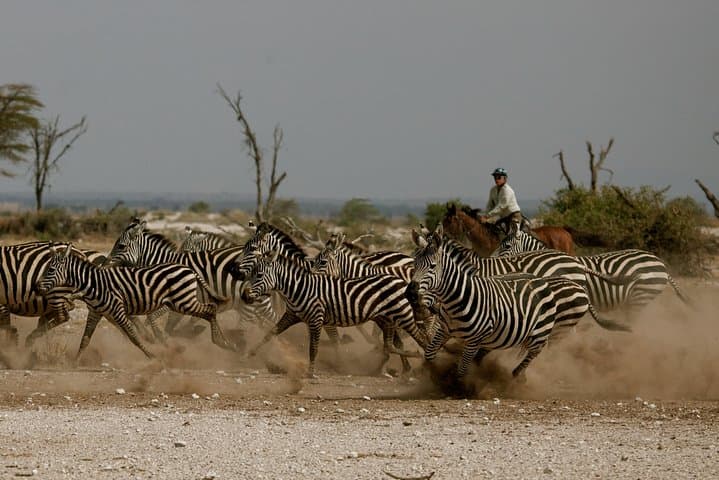
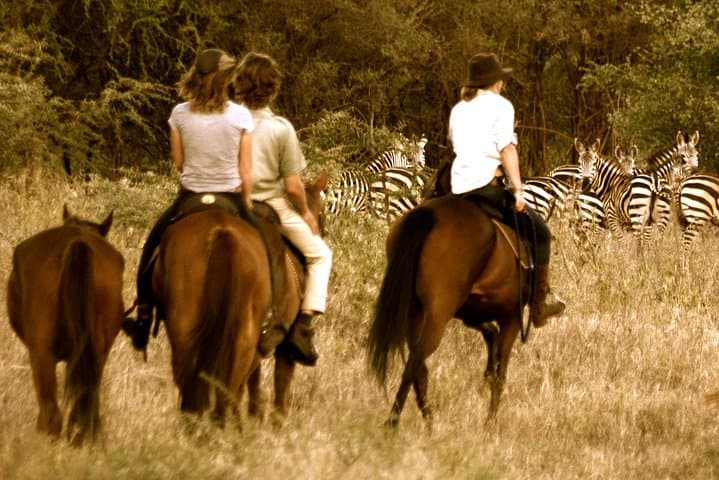
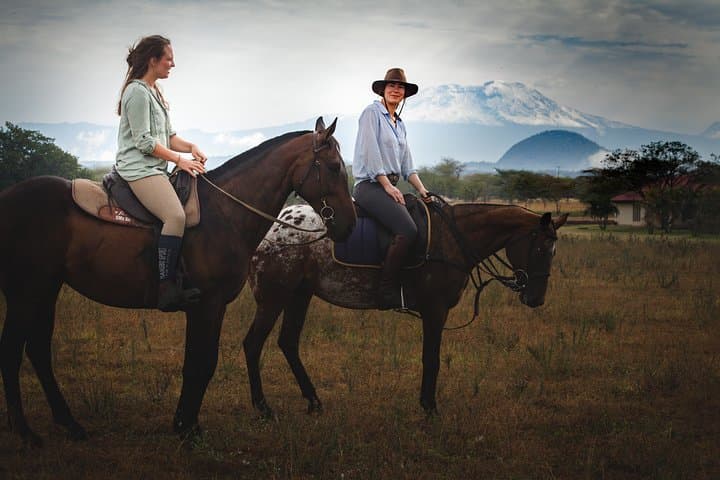
You rise with the light and mount on a quiet estate half an hour from Arusha, the horse’s breath steaming in the cool morning. Tracks cut through open grass and acacia scrub; zebras lift their heads and wildebeest drift like punctuation in the distance while vervet monkeys chatter in the trees. The rhythm of hooves sets the pace—steady when you’re learning, urgent when the guide opens the canter across a plain.
You rise with the light and mount on a quiet estate half an hour from Arusha, the horse’s breath steaming in the cool morning. Tracks cut through open grass and acacia scrub; zebras lift their heads and wildebeest drift like punctuation in the distance while vervet monkeys chatter in the trees. The rhythm of hooves sets the pace—steady when you’re learning, urgent when the guide opens the canter across a plain.
This corner of northern Tanzania sits on volcanic soils from nearby Mount Meru, a landscape shaped by the eastern branch of the Rift. The Arusha area has long been used by pastoralists and smallholder farms, and today private ranches and conservancies manage pockets of habitat where game grazes within reach of a saddle; local guides bring cultural insight into Maasai and Swahili life along with navigation skills.
Expect two-hour rides that accommodate beginners and experienced riders: gentle hacks on estate tracks, or faster expeditions along meandering paths that reach quieter waterholes and vantage points. Horses make accessible the narrow corridors jeeps avoid, so you can close the distance without disturbing the animals’ routines.
Practical notes: helmets are provided, rides run twice daily, and weather can shift quickly—start early for cooler air and better light for wildlife. Bring long sleeves for sun and bite protection, a filled water bottle, and shoes with a modest heel. Follow your guide’s spacing rules around wildlife and carry modest cash for tips. With sensible preparation, a horse safari here is a direct, tactile way to meet Tanzania’s plains and the animals that live there.