THE ADVENTURE COLLECTIVE® · Independent discovery and booking for outdoor travel

Small, community-run and intentionally uncrowded, this 3-day jungle camp on the Kinabatangan River pairs intimate boat safaris with a Gomantong Cave visit. Expect close wildlife encounters, basic riverside accommodation, and a conservation-minded local operating model.
Small, community-run and intentionally uncrowded, this 3-day jungle camp on the Kinabatangan River pairs intimate boat safaris with a Gomantong Cave visit. Expect close wildlife encounters, basic riverside accommodation, and a conservation-minded local operating model.
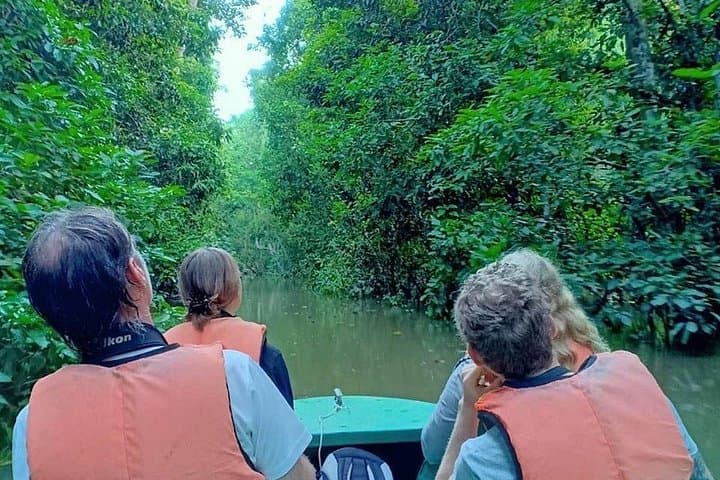
The river slows to a silver ribbon as your boat slips into a side channel and the hum of motor fades—mangrove roots and tall dipterocarp trees lean over water that dares you to peer into its shadows. At Tanjung Bulat Jungle Camp the night is measured in insect calls and the phosphorescent blink of distant headlamps; mornings start with the slap of a proboscis monkey landing in the canopy and the stealthy glide of kingfishers along the bank.
Verified experiences and guided adventures in the surrounding area.
Operated by Tanjung Bulat Jungle Camp · Sandakan, Sabah
The river slows to a silver ribbon as your boat slips into a side channel and the hum of motor fades—mangrove roots and tall dipterocarp trees lean over water that dares you to peer into its shadows. At Tanjung Bulat Jungle Camp the night is measured in insect calls and the phosphorescent blink of distant headlamps; mornings start with the slap of a proboscis monkey landing in the canopy and the stealthy glide of kingfishers along the bank.
The Kinabatangan is an ancient floodplain carved into Sabah’s lowlands; its oxbow lakes and meandering channels formed from sediment and seasonal monsoon pulses. Gomantong Cave, a short transfer away, is geologically younger in appearance—towering limestone with chambers long used for edible-nest swiftlet harvesting and cultural rituals of the river people tribe who run the camp.
Culturally the camp is small-scale and community-run; guides are local river people and the operation funnels income back into tree-planting and conservation work. Expect basic, low-impact accommodation and meals of Bornean-style curries and rice that fuel day-long wildlife watches.
Practical guide: pack waterproof layers and a reliable headlamp, treat every trail with tick and ant caution, and time visits outside peak monsoon months for calmer river travel. Morning and late-afternoon boat safaris maximize wildlife sightings; nights are for short guided walks or torch-supported wildlife watching. Respect the camp’s no-mass-tourist policy—group sizes are small and experience hinges on quiet, patient observation.
moderate.
3 days (approx.).
Moderate fitness recommended: able to board small boats, walk uneven jungle trails, and tolerate humidity.
No—Gomantong Cave access can be restricted for maintenance or edible-nest harvesting seasons; the itinerary includes entrance fees and transport but local guide availability can affect timing.
Camp accommodation is basic and community-run—simple raised platforms or huts with mosquito nets, shared facilities, and local-style meals; it’s designed for low-impact stays rather than luxury.
The operator advises against travel for pregnant guests; children can join but should be supervised near riverbanks and on boats.
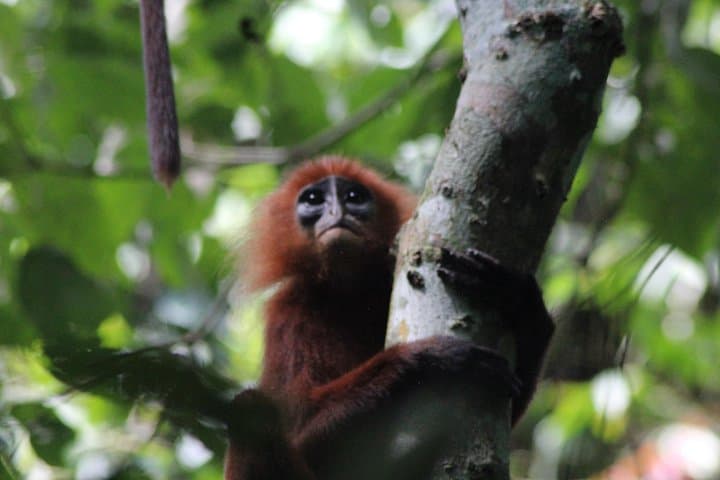
Proboscis monkeys and a variety of riverine birds are reliably seen; orangutans and pygmy elephants are less predictable—sightings depend on season and luck, but small group sizes improve chances.
The Kinabatangan floodplain has long supported river communities; Gomantong cave is historically important for traditional swiftlet nest harvesting and regional livelihoods.
The camp channels a portion of revenue to a rainforest carbon-offset tree-planting project and enforces a strict small-group policy to reduce wildlife disturbance.
Tanjung Bulat Jungle Camp operates guided outdoor trips and adventures with an emphasis on safety, stewardship, and memorable experiences.
The river slows to a silver ribbon as your boat slips into a side channel and the hum of motor fades—mangrove roots and tall dipterocarp trees lean over water that dares you to peer into its shadows. At Tanjung Bulat Jungle Camp the night is measured in insect calls and the phosphorescent blink of distant headlamps; mornings start with the slap of a proboscis monkey landing in the canopy and the stealthy glide of kingfishers along the bank.
The river slows to a silver ribbon as your boat slips into a side channel and the hum of motor fades—mangrove roots and tall dipterocarp trees lean over water that dares you to peer into its shadows. At Tanjung Bulat Jungle Camp the night is measured in insect calls and the phosphorescent blink of distant headlamps; mornings start with the slap of a proboscis monkey landing in the canopy and the stealthy glide of kingfishers along the bank.
The Kinabatangan is an ancient floodplain carved into Sabah’s lowlands; its oxbow lakes and meandering channels formed from sediment and seasonal monsoon pulses. Gomantong Cave, a short transfer away, is geologically younger in appearance—towering limestone with chambers long used for edible-nest swiftlet harvesting and cultural rituals of the river people tribe who run the camp.
Culturally the camp is small-scale and community-run; guides are local river people and the operation funnels income back into tree-planting and conservation work. Expect basic, low-impact accommodation and meals of Bornean-style curries and rice that fuel day-long wildlife watches.
Practical guide: pack waterproof layers and a reliable headlamp, treat every trail with tick and ant caution, and time visits outside peak monsoon months for calmer river travel. Morning and late-afternoon boat safaris maximize wildlife sightings; nights are for short guided walks or torch-supported wildlife watching. Respect the camp’s no-mass-tourist policy—group sizes are small and experience hinges on quiet, patient observation.