THE ADVENTURE COLLECTIVE® · Independent discovery and booking for outdoor travel

Spend two days on the Kinabatangan River at a community-run jungle camp where small-group boat cruises focus on intimate wildlife viewing. This overnight stay emphasizes low-impact access to proboscis monkeys, hornbills, and river otters with a local conservation angle.
Spend two days on the Kinabatangan River at a community-run jungle camp where small-group boat cruises focus on intimate wildlife viewing. This overnight stay emphasizes low-impact access to proboscis monkeys, hornbills, and river otters with a local conservation angle.
You step off a slow wooden boat into a hush that only the river can hold — the Kinabatangan presses close, its muddy channel threading the lowland forest like a living road. Dawn and dusk are the active hours here: proboscis monkeys silhouette the canopy, and the river dares you toward quiet oxbows where hornbills call and monitor lizards sun themselves on fallen logs.
Verified experiences and guided adventures in the surrounding area.
Operated by Tanjung Bulat Jungle Camp · Sandakan, Sabah
You step off a slow wooden boat into a hush that only the river can hold — the Kinabatangan presses close, its muddy channel threading the lowland forest like a living road. Dawn and dusk are the active hours here: proboscis monkeys silhouette the canopy, and the river dares you toward quiet oxbows where hornbills call and monitor lizards sun themselves on fallen logs.
The camp is run by River People communities; its simple platform lodgings and generator hours reflect an ethic of small groups and low-impact stays. Geologically the Kinabatangan flows through alluvial plains carved from ancient sandstone and peat swamps, creating oxbow lakes and seasonally flooded forest that shape wildlife movement. Culturally, this stretch supports fishing and smallholder agriculture; the camp channels visitor fees into a rainforest carbon-offset tree-planting program managed with local nurseries.
Expect guided river cruises for wildlife viewing timed for late afternoon and pre-dawn, plus a short nocturnal patrol to watch for eyeshine along the riverbank. Accommodations are basic — single-night communal sleep with limited electricity — and the emphasis is on wildlife access rather than comfort.
Practical guidance: travel includes a roughly two-hour drive from Sandakan or Sepilok and boat transfers; pack water, headlamp, insect protection and waterproof layers. Bring small cash for lunches en route and be ready for muddy approaches and slippery boat ramps. Respect the no-mass-tour policy — numbers are capped to preserve sightings and community life. With modest gear and steady cadence, this two-day visit offers concentrated, intimate encounters with Borneo’s riverside wildlife and a direct way to support local conservation.
moderate.
2 days.
Moderate fitness—able to board small boats, walk short muddy trails and sit quietly for wildlife watches
Transfers are provided with a roughly two-hour drive from Sandakan or Sepilok followed by a short boat transfer to Tanjung Bulat; confirm pickup location when you book.
Accommodations are basic and community-run with limited electricity (generator on evenings); this is a wildlife-first, low-impact stay rather than a luxury lodge.
Wildlife sightings are frequent for proboscis monkeys, hornbills and river otters, but large mammals like orangutans or elephants are possible, not guaranteed — small-group cruises increase the chance of quiet encounters.
Dinner and breakfast are included, featuring local Bornean cuisine; bring personal water or purification tablets if you prefer bottled water between meals.
The camp is owned and operated by local riverine communities (the ‘river people’) and set up to provide authentic small-group experiences while returning income to local families.
The operator enforces a strict no-mass-tourism policy and runs a rainforest carbon-offset/tree-planting initiative that channels visitor funds into local seedling purchases and reforestation.
Tanjung Bulat Jungle Camp operates guided outdoor trips and adventures with an emphasis on safety, stewardship, and memorable experiences.

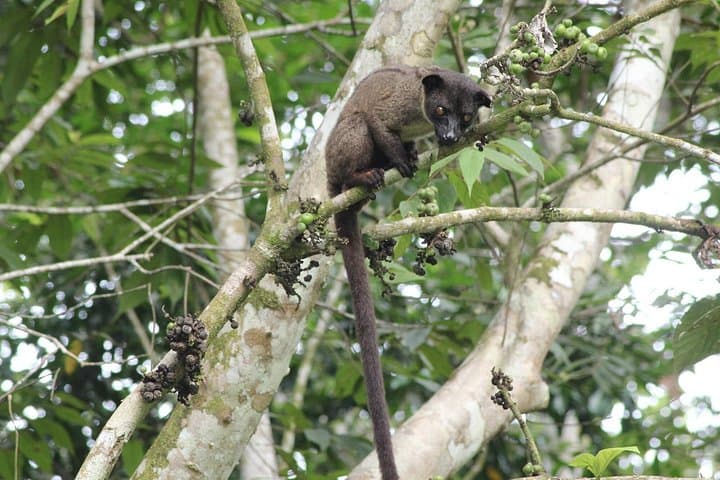

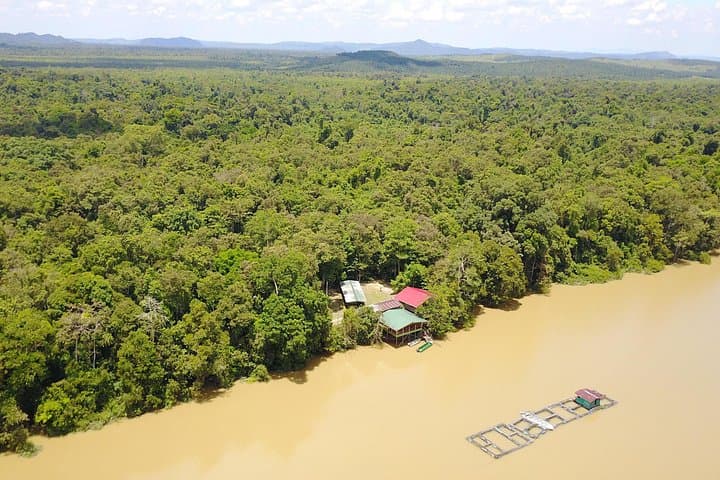
You step off a slow wooden boat into a hush that only the river can hold — the Kinabatangan presses close, its muddy channel threading the lowland forest like a living road. Dawn and dusk are the active hours here: proboscis monkeys silhouette the canopy, and the river dares you toward quiet oxbows where hornbills call and monitor lizards sun themselves on fallen logs.
You step off a slow wooden boat into a hush that only the river can hold — the Kinabatangan presses close, its muddy channel threading the lowland forest like a living road. Dawn and dusk are the active hours here: proboscis monkeys silhouette the canopy, and the river dares you toward quiet oxbows where hornbills call and monitor lizards sun themselves on fallen logs.
The camp is run by River People communities; its simple platform lodgings and generator hours reflect an ethic of small groups and low-impact stays. Geologically the Kinabatangan flows through alluvial plains carved from ancient sandstone and peat swamps, creating oxbow lakes and seasonally flooded forest that shape wildlife movement. Culturally, this stretch supports fishing and smallholder agriculture; the camp channels visitor fees into a rainforest carbon-offset tree-planting program managed with local nurseries.
Expect guided river cruises for wildlife viewing timed for late afternoon and pre-dawn, plus a short nocturnal patrol to watch for eyeshine along the riverbank. Accommodations are basic — single-night communal sleep with limited electricity — and the emphasis is on wildlife access rather than comfort.
Practical guidance: travel includes a roughly two-hour drive from Sandakan or Sepilok and boat transfers; pack water, headlamp, insect protection and waterproof layers. Bring small cash for lunches en route and be ready for muddy approaches and slippery boat ramps. Respect the no-mass-tour policy — numbers are capped to preserve sightings and community life. With modest gear and steady cadence, this two-day visit offers concentrated, intimate encounters with Borneo’s riverside wildlife and a direct way to support local conservation.