THE ADVENTURE COLLECTIVE® · Independent discovery and booking for outdoor travel

Learn basic steps with a pro, then join a late-night milonga to watch and practice local tango etiquette. This beginner-friendly pairing pairs instruction with authentic cultural immersion in Buenos Aires’ dance halls.
Learn basic steps with a pro, then join a late-night milonga to watch and practice local tango etiquette. This beginner-friendly pairing pairs instruction with authentic cultural immersion in Buenos Aires’ dance halls.
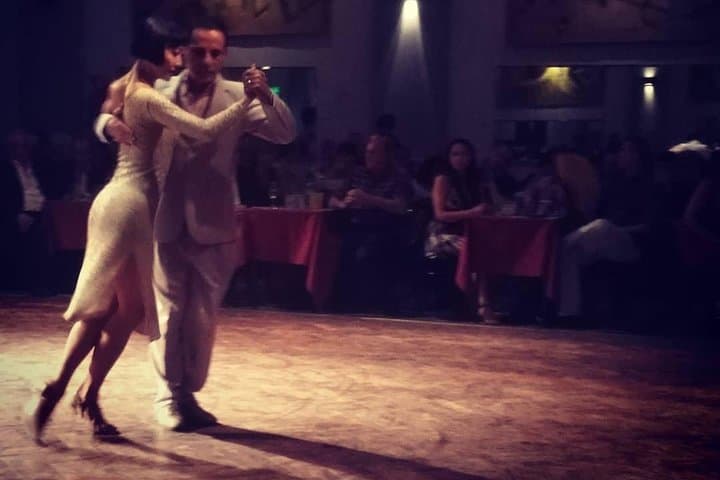
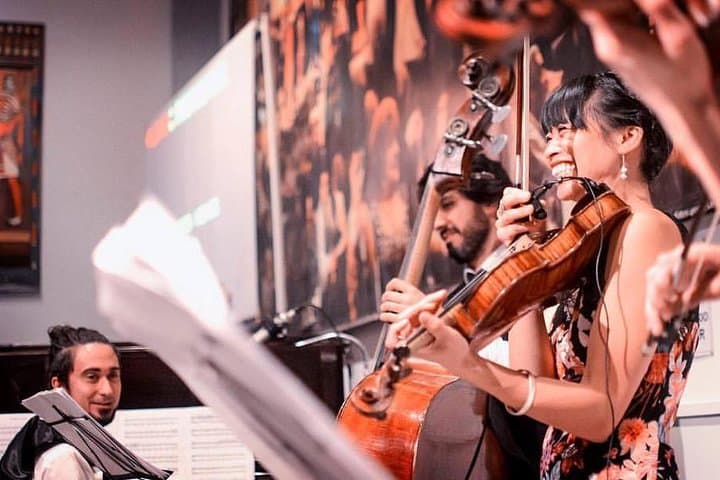
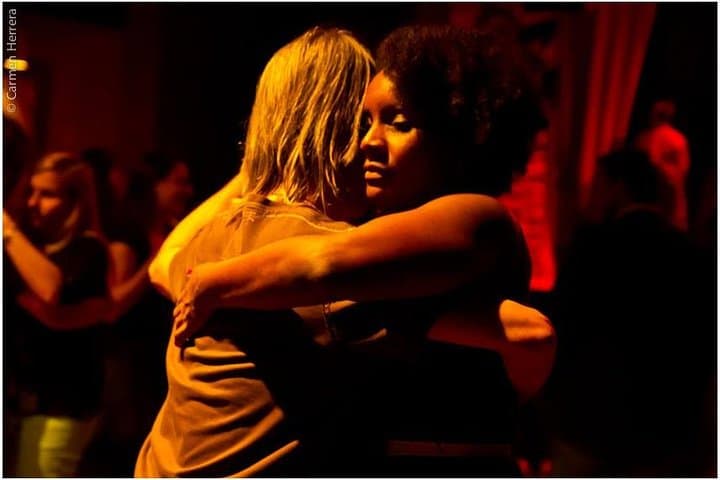
The room warms as the bandoneón breathes behind wooden chairs; a teacher calls out basic steps and you feel the floor begin to move under you. This experience starts in a small studio with an absolute-beginner tango lesson, then slips into the dim, social pulse of a local milonga where porteños (Buenos Aires residents) come to dance, watch, and exchange the subtle etiquette of the floor.
Verified experiences and guided adventures in the surrounding area.
Operated by Buenos Aires Milonga Tours · Buenos Aires, Ciudad Autónoma de Buenos Aires
The room warms as the bandoneón breathes behind wooden chairs; a teacher calls out basic steps and you feel the floor begin to move under you. This experience starts in a small studio with an absolute-beginner tango lesson, then slips into the dim, social pulse of a local milonga where porteños (Buenos Aires residents) come to dance, watch, and exchange the subtle etiquette of the floor.
Tango emerged in the late 19th century from immigrant neighborhoods around San Telmo and La Boca, a hybrid of African, European and criollo influences. The music’s phrasing shapes how dancers hold time; the milonga—a community dance hall—has its own codes: how to invite, where to sit, and how to respect the line of dancers. The city’s flat, riverine plain gives no theatrical elevation, so tango relies on close embrace, rhythmic nuance and the room’s acoustic intimacy.
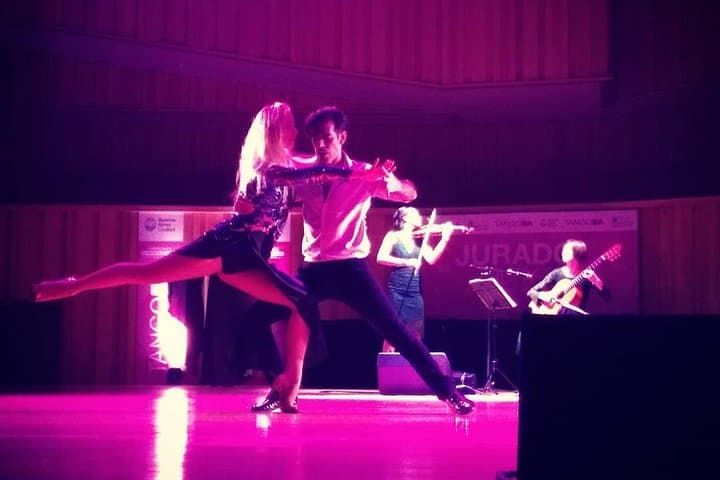
Expect a 60–90 minute starter lesson focusing on posture, basic steps and musicality, followed by an escorted visit to a milonga. You’ll likely watch local dancers, possibly a live set or professional exhibition, and learn social cues like the tanda and cortina. Practical tips: wear comfortable but tidy shoes with a smooth sole, bring cash for the venue, and plan the night late—milongas often start after 10pm. For first-timers, pace your wine and keep belongings close; milonga etiquette prizes attention and respect over spectacle. This mix of instruction and real-world practice is the fastest way to move from curious tourist to someone who understands tango’s social grammar.
easy.
4 hours.
Minimal physical fitness; standing and light dancing for several hours is typical
No—this is designed for absolute beginners; the lesson covers basic steps and musicality before heading to the milonga.
Casual-smart is typical: tidy clothes and shoes suitable for dancing; avoid dirty sneakers with sticky soles.
Most instructors and guides accommodate English-speaking visitors, but basic Spanish phrases help with milonga etiquette.
Yes—milongas are social and generally safe; follow local guides’ advice on seating and invitations and plan transport home.
Tango grew around Buenos Aires’ port neighborhoods in the late 1800s as a fusion of immigrant, African and local musical forms; milongas formalized the social rules of the dance.
Support small venues and local musicians—choose events that pay performers and avoid crowding historic wooden floors to reduce wear.
Buenos Aires Milonga Tours operates guided outdoor trips and adventures with an emphasis on safety, stewardship, and memorable experiences.
The room warms as the bandoneón breathes behind wooden chairs; a teacher calls out basic steps and you feel the floor begin to move under you. This experience starts in a small studio with an absolute-beginner tango lesson, then slips into the dim, social pulse of a local milonga where porteños (Buenos Aires residents) come to dance, watch, and exchange the subtle etiquette of the floor.
The room warms as the bandoneón breathes behind wooden chairs; a teacher calls out basic steps and you feel the floor begin to move under you. This experience starts in a small studio with an absolute-beginner tango lesson, then slips into the dim, social pulse of a local milonga where porteños (Buenos Aires residents) come to dance, watch, and exchange the subtle etiquette of the floor.
Tango emerged in the late 19th century from immigrant neighborhoods around San Telmo and La Boca, a hybrid of African, European and criollo influences. The music’s phrasing shapes how dancers hold time; the milonga—a community dance hall—has its own codes: how to invite, where to sit, and how to respect the line of dancers. The city’s flat, riverine plain gives no theatrical elevation, so tango relies on close embrace, rhythmic nuance and the room’s acoustic intimacy.
Expect a 60–90 minute starter lesson focusing on posture, basic steps and musicality, followed by an escorted visit to a milonga. You’ll likely watch local dancers, possibly a live set or professional exhibition, and learn social cues like the tanda and cortina. Practical tips: wear comfortable but tidy shoes with a smooth sole, bring cash for the venue, and plan the night late—milongas often start after 10pm. For first-timers, pace your wine and keep belongings close; milonga etiquette prizes attention and respect over spectacle. This mix of instruction and real-world practice is the fastest way to move from curious tourist to someone who understands tango’s social grammar.