THE ADVENTURE COLLECTIVE® · Independent discovery and booking for outdoor travel

Move beyond the tourist showpiece and learn real milonga etiquette in an intimate lesson before an escorted night at a Buenos Aires milonga. Small groups, local hosts, and practical technique turn you into a confident social dancer in one evening.
Move beyond the tourist showpiece and learn real milonga etiquette in an intimate lesson before an escorted night at a Buenos Aires milonga. Small groups, local hosts, and practical technique turn you into a confident social dancer in one evening.
You step into a dimly lit room in an old convent-turned-studio, wooden floor warm underfoot, a bandoneón wailing somewhere down the corridor. Two veteran dancers meet you with quiet confidence and a clear promise: by the end of the evening you’ll know the codes of the milonga, not just the steps.
Verified experiences and guided adventures in the surrounding area.
Operated by Catalina Cabana · Buenos Aires, Buenos Aires
You step into a dimly lit room in an old convent-turned-studio, wooden floor warm underfoot, a bandoneón wailing somewhere down the corridor. Two veteran dancers meet you with quiet confidence and a clear promise: by the end of the evening you’ll know the codes of the milonga, not just the steps.
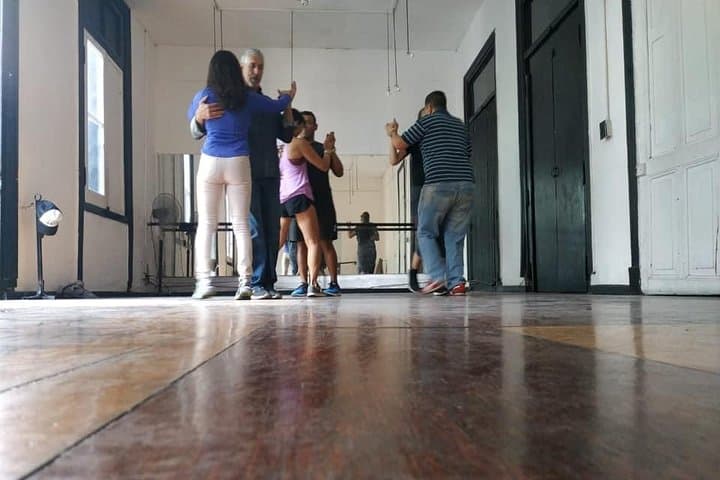
Tango grew from the port neighborhoods of Buenos Aires in the late 19th and early 20th centuries; what began as a working‑class social dance matured into codified etiquette and world‑renowned music. This experience pairs a focused 60‑minute lesson in a renovated convent space—where you can see traces of early 20th‑century life—with a guided entrance to a local milonga for authentic social dancing.
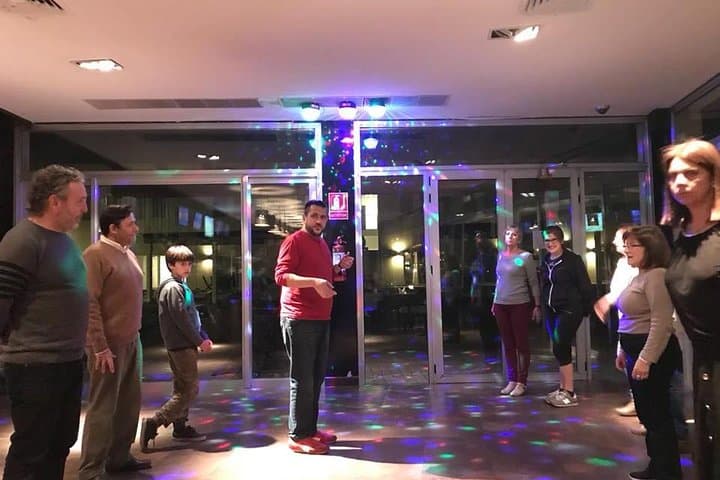
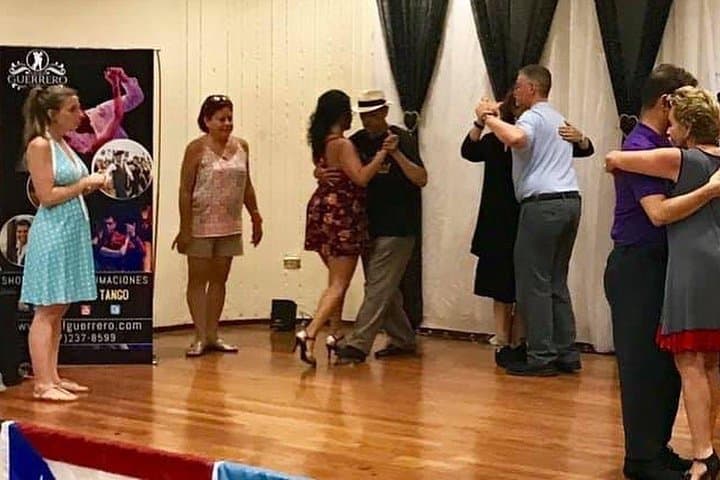
Expect practical, technique‑driven instruction tailored to beginners and improvers, followed by escorted access to a nearby milonga. The tour runs about 150 minutes, runs in small groups (max six), and includes private transportation and a drink at the milonga. Hosts explain milonga customs—how to use the cabeceo, lane etiquette, and when to take a break—so you move from spectator to participant with ease.
Plan for flexible footwear (smooth soles are ideal), arrive slightly early for fittings and greetings, and bring a small light layer for the evening. The activity is wheelchair and stroller accessible and works well for most fitness levels since movement is low‑impact. If you want more practice, ask the hosts about follow‑up classes; they’ll often point you to local milongas and cafés where the music lingers long after the lesson ends.
easy.
2–3 hours.
Suitable for most fitness levels—standing and light movement for about an hour; no special conditioning required.
No—this class welcomes beginners and improvers; instructors tailor steps and posture work to your level.
You can—hosts stay for about an hour; after that you’re free to remain and dance on your own.
Yes—the activity and transport options are described as wheelchair accessible; notify special requirements when booking.
Tango emerged in Buenos Aires’s port barrios in the late 1800s; milongas developed as formal social spaces where codes like the cabeceo regulate partner selection.
Support small venues and local musicians by buying drinks and leaving no trace; minimizing single‑use plastics helps preserve neighborhood venues and public spaces.
Catalina Cabana operates guided outdoor trips and adventures with an emphasis on safety, stewardship, and memorable experiences.
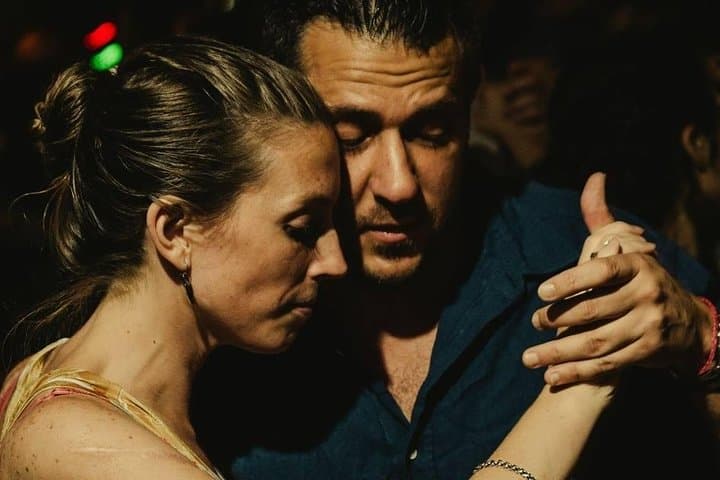
You step into a dimly lit room in an old convent-turned-studio, wooden floor warm underfoot, a bandoneón wailing somewhere down the corridor. Two veteran dancers meet you with quiet confidence and a clear promise: by the end of the evening you’ll know the codes of the milonga, not just the steps.
You step into a dimly lit room in an old convent-turned-studio, wooden floor warm underfoot, a bandoneón wailing somewhere down the corridor. Two veteran dancers meet you with quiet confidence and a clear promise: by the end of the evening you’ll know the codes of the milonga, not just the steps.
Tango grew from the port neighborhoods of Buenos Aires in the late 19th and early 20th centuries; what began as a working‑class social dance matured into codified etiquette and world‑renowned music. This experience pairs a focused 60‑minute lesson in a renovated convent space—where you can see traces of early 20th‑century life—with a guided entrance to a local milonga for authentic social dancing.
Expect practical, technique‑driven instruction tailored to beginners and improvers, followed by escorted access to a nearby milonga. The tour runs about 150 minutes, runs in small groups (max six), and includes private transportation and a drink at the milonga. Hosts explain milonga customs—how to use the cabeceo, lane etiquette, and when to take a break—so you move from spectator to participant with ease.
Plan for flexible footwear (smooth soles are ideal), arrive slightly early for fittings and greetings, and bring a small light layer for the evening. The activity is wheelchair and stroller accessible and works well for most fitness levels since movement is low‑impact. If you want more practice, ask the hosts about follow‑up classes; they’ll often point you to local milongas and cafés where the music lingers long after the lesson ends.