THE ADVENTURE COLLECTIVE® · Independent discovery and booking for outdoor travel

A five-day overland circuit from Tangier to Marrakech that mixes blue-painted Chefchaouen, ancient Fes, cedar forests, Todra Gorge, and a camel-backed night under Erg Chebbi’s dunes. Expect long drives, cultural depth, and a desert camp experience.
A five-day overland circuit from Tangier to Marrakech that mixes blue-painted Chefchaouen, ancient Fes, cedar forests, Todra Gorge, and a camel-backed night under Erg Chebbi’s dunes. Expect long drives, cultural depth, and a desert camp experience.
You step into the trip on the Atlantic edge at Tangier, the city’s light and harbor noise already giving way as the road climbs toward Chefchaouen’s cobalt alleys and the cedar forests of the Middle Atlas. By day three the landscape has thinned to ochre, and the dunes of Erg Chebbi rise like a slow-moving ocean that dares you to climb its crest at sunset.
Verified experiences and guided adventures in the surrounding area.
Operated by Marrakech Desert Tour · Merzouga, Drâa-Tafilalet
You step into the trip on the Atlantic edge at Tangier, the city’s light and harbor noise already giving way as the road climbs toward Chefchaouen’s cobalt alleys and the cedar forests of the Middle Atlas. By day three the landscape has thinned to ochre, and the dunes of Erg Chebbi rise like a slow-moving ocean that dares you to climb its crest at sunset.
This route threads centuries of history: medieval Fes with the University of al-Qarawiyyin (founded 859), caravan-era kasbahs along the Dades and Ziz valleys, and Ait Ben Haddou’s kasbah — a clay-and-stone stronghold that watched trade routes cross the High Atlas. Geology shifts quickly here: the High Atlas, pushed up by tectonics, creates the pass at Tizi n’Tichka (about 2,260 m), while the Sahara’s Erg Chebbi dunes, sculpted by wind, can top 150 m and shimmer with thermal contrasts.
Culture is immediate — riads in Fes, market bargaining in Rissani, Berber hospitality at a desert camp — and the journey is as much about people as place. Expect long driving stretches interspersed with guided walks through medinas, short hikes in gorges, and a camel trek into the dunes.
Practical notes: travel light but bring layers for cold desert nights, sun protection for daytime, and reusable water bottles to manage scarce water resources. Plan for early starts through mountain passes, keep local currency for souks and tips, and allow time to acclimate to long days on the road. This five-day circuit rewards patience: the reward is a sequence of distinct Morocco — coastal, mountain, oasis, and sand — each with its own voice.
moderate.
5 days (approx. 120 hours).
Suitable for travelers in average fitness; able to handle all-day touring and short camel treks or hikes.
The typical camel trek is short (1–2 hours) and paced for comfort; you should be able to sit on the camel for that time and walk short distances if needed.
Non-Muslims cannot enter certain active mosques like the Quaraouiyine complex, but many historic sites, riads, and public squares are accessible with a guide.
The itinerary includes several breakfasts and dinners, plus overnight stays in riads, a desert camp, and a hotel in Ouarzazate as specified in the tour inclusions.
The tour notes it’s suitable for all fitness levels, but camel rides and some uneven surfaces in medinas and gorges may be difficult for very young children or those with limited mobility.
The route follows parts of former caravan tracks and features centuries-old kasbahs that guarded trade between Sahara and Atlantic/coastal markets.
The desert and mountain ecosystems are water-limited and sensitive; stick to paths, avoid single-use plastics, and use local guides to support community-based tourism.
Marrakech Desert Tour operates guided outdoor trips and adventures with an emphasis on safety, stewardship, and memorable experiences.
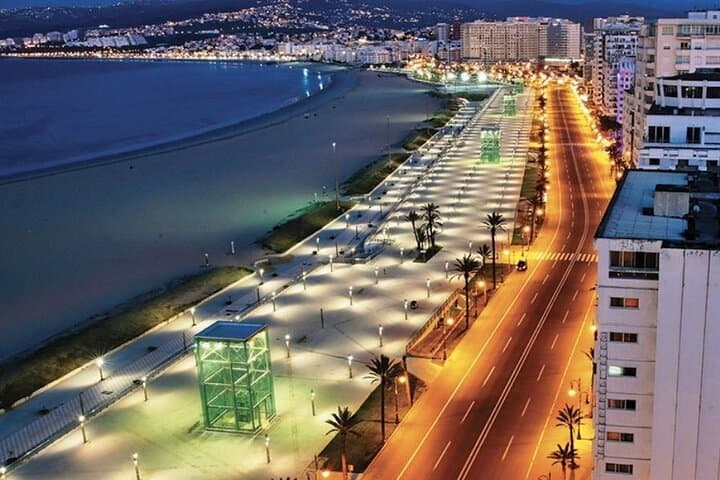
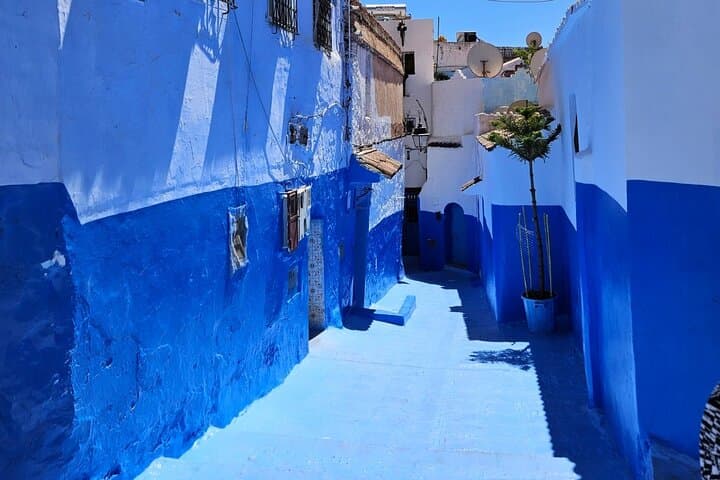
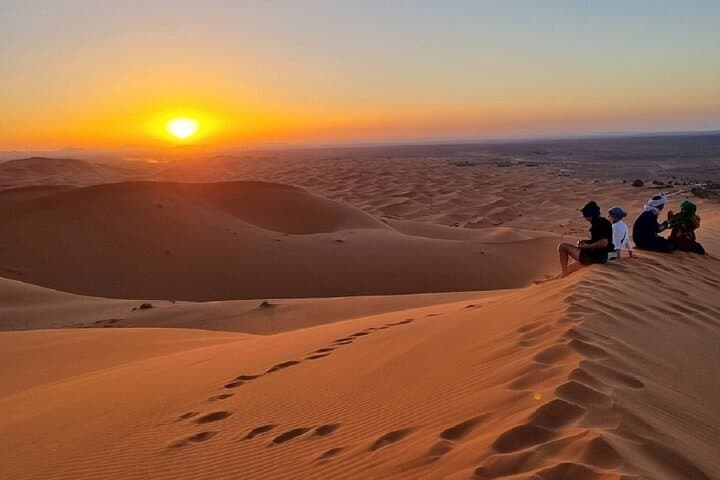
You step into the trip on the Atlantic edge at Tangier, the city’s light and harbor noise already giving way as the road climbs toward Chefchaouen’s cobalt alleys and the cedar forests of the Middle Atlas. By day three the landscape has thinned to ochre, and the dunes of Erg Chebbi rise like a slow-moving ocean that dares you to climb its crest at sunset.
You step into the trip on the Atlantic edge at Tangier, the city’s light and harbor noise already giving way as the road climbs toward Chefchaouen’s cobalt alleys and the cedar forests of the Middle Atlas. By day three the landscape has thinned to ochre, and the dunes of Erg Chebbi rise like a slow-moving ocean that dares you to climb its crest at sunset.
This route threads centuries of history: medieval Fes with the University of al-Qarawiyyin (founded 859), caravan-era kasbahs along the Dades and Ziz valleys, and Ait Ben Haddou’s kasbah — a clay-and-stone stronghold that watched trade routes cross the High Atlas. Geology shifts quickly here: the High Atlas, pushed up by tectonics, creates the pass at Tizi n’Tichka (about 2,260 m), while the Sahara’s Erg Chebbi dunes, sculpted by wind, can top 150 m and shimmer with thermal contrasts.
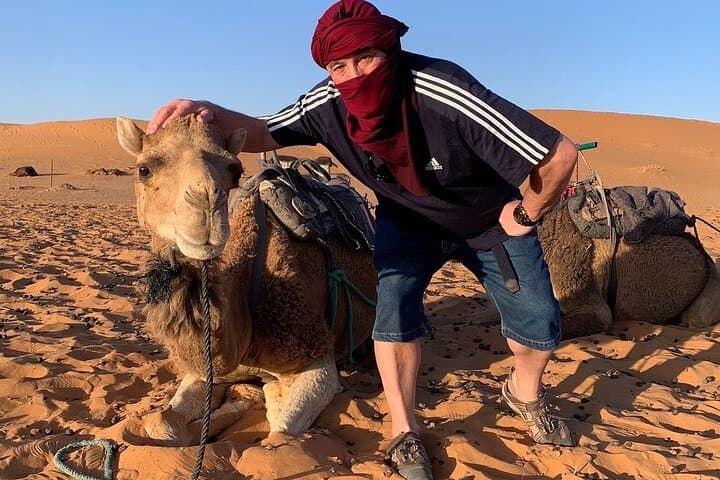
Culture is immediate — riads in Fes, market bargaining in Rissani, Berber hospitality at a desert camp — and the journey is as much about people as place. Expect long driving stretches interspersed with guided walks through medinas, short hikes in gorges, and a camel trek into the dunes.
Practical notes: travel light but bring layers for cold desert nights, sun protection for daytime, and reusable water bottles to manage scarce water resources. Plan for early starts through mountain passes, keep local currency for souks and tips, and allow time to acclimate to long days on the road. This five-day circuit rewards patience: the reward is a sequence of distinct Morocco — coastal, mountain, oasis, and sand — each with its own voice.