THE ADVENTURE COLLECTIVE® · Independent discovery and booking for outdoor travel

A compact, 2–3 hour shared tour that pairs a coastal drive to Cape Spartel and the Hercules Caves with a short camel ride along the Atlantic. Ideal for cruise passengers who want a low‑walking but scenic introduction to Tangier’s coastline and history.
A compact, 2–3 hour shared tour that pairs a coastal drive to Cape Spartel and the Hercules Caves with a short camel ride along the Atlantic. Ideal for cruise passengers who want a low‑walking but scenic introduction to Tangier’s coastline and history.
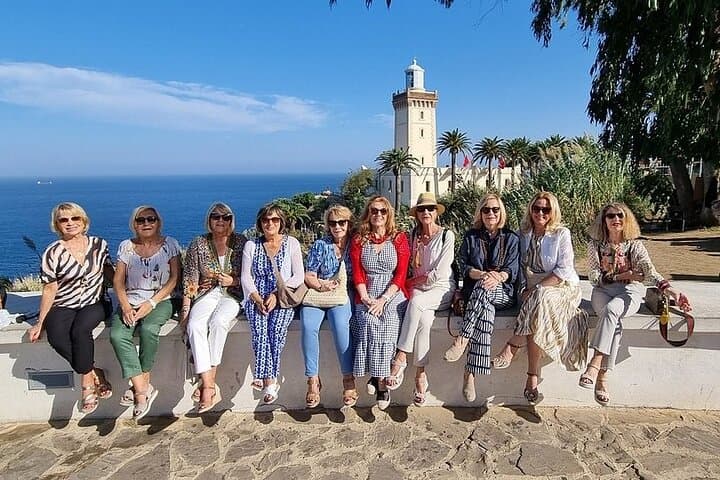
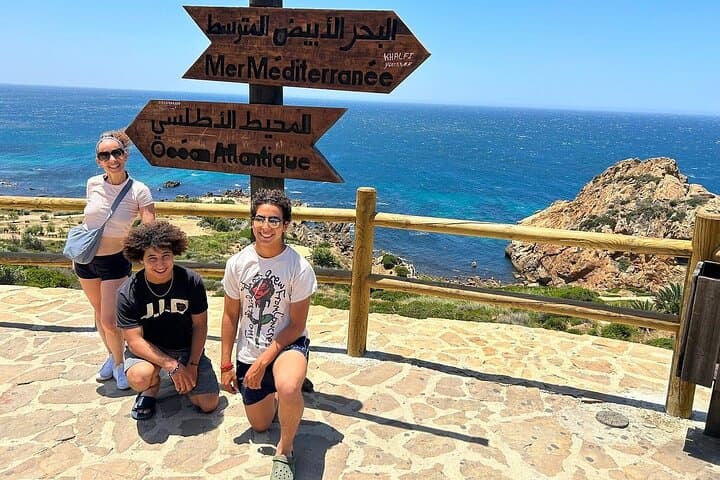
You step out of the minivan onto wind-swept rock where the Atlantic slams into the Mediterranean; salt on your lips, gulls arguing overhead, and the outline of Cape Spartel stretching westward. The tour threads through Tangier’s early-20th-century colonnades and the leafy terraces of Perdicaris Park before climbing to the cliff-top viewpoint where the sea lights up in broad, brassy bands.
Verified experiences and guided adventures in the surrounding area.
Operated by JTT Morocco · Tangier, Tanger-Tétouan-Al Hoceima
You step out of the minivan onto wind-swept rock where the Atlantic slams into the Mediterranean; salt on your lips, gulls arguing overhead, and the outline of Cape Spartel stretching westward. The tour threads through Tangier’s early-20th-century colonnades and the leafy terraces of Perdicaris Park before climbing to the cliff-top viewpoint where the sea lights up in broad, brassy bands.
History presses close in Tangier: a crossroads of Phoenician traders, Roman garrisons and 20th-century expatriates whose villas dot “La Montagne.” Geology is visible in the limestone outcrops at Cape Spartel and the chambered forms of the Hercules Caves—sea-sculpted hollows that local lore ties to myth. Culture arrives in small, human touches: a charcoal-grilled fish on the shore, bilingual drivers recounting artist anecdotes, and fisherfolk tending nets below.
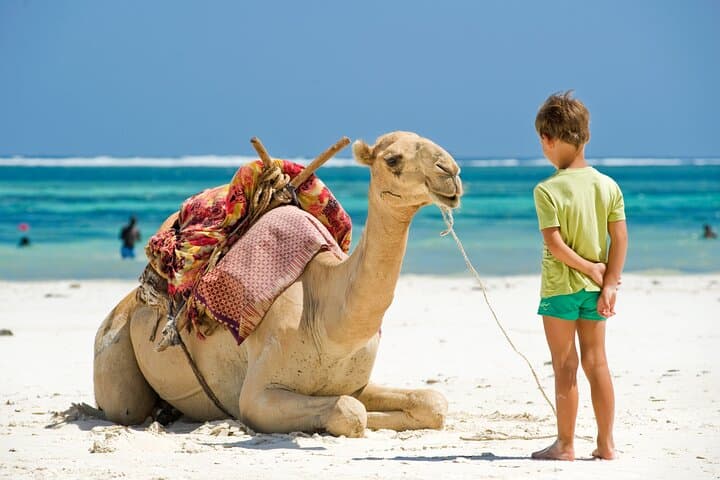
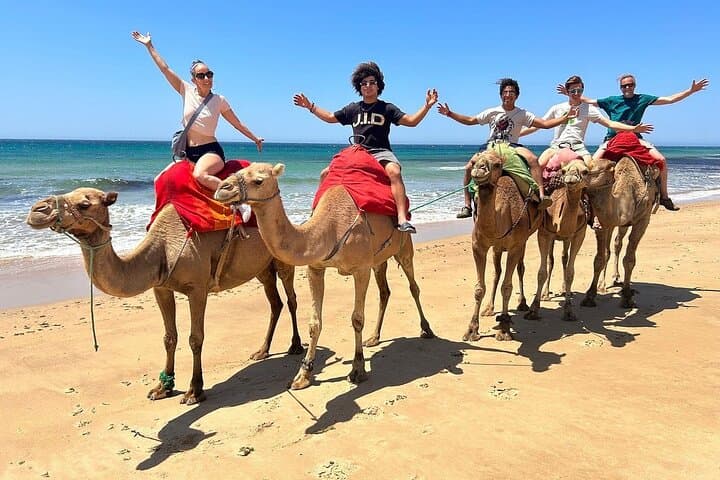
The camel segment is deliberately compact—about 20–30 minutes on the Atlantic sands—offering elevated coastal views without long walking. Terrain is coastal road and flat, firm beach; the day is paced for cruise timetables, so expect efficient transitions and brief stops for photos and the caves.
Practical notes: bring sun protection and a wind layer; shoes should handle sand and a quick scramble on quarried rock. Timing matters—late afternoon light softens the cliffs, but mornings are cooler and less windy. This short, low-footprint outing pairs cinematic scenery with accessible logistics, ideal for travelers who want a concise introduction to Tangier’s coastal edge.
easy.
2–3 hours.
Suitable for most fitness levels; minimal walking required, but able to mount a camel and step on/off sand is necessary.
The camel experience runs about 20–30 minutes along the Atlantic coast—long enough for photos and a short seaside loop.
The itinerary notes a stop at the Hercules Caves; some visits include short guided access while others offer exterior viewpoints—confirm at booking for full interior access.
Yes—pick-up from Tangier port is standard and the 2–3 hour itinerary is tailored for cruise timetables, but allow buffer time for boarding procedures.
The tour is low-walking and suitable for most ages; however, camel mounting may be difficult for some mobility-impaired guests—check with the operator for assistance options.
Tangier has long been a strategic gateway between Africa and Europe—Phoenician and Roman traces sit beneath a colonial-era urban fabric that attracted 20th‑century writers and artists.
Coastal sites are sensitive to foot traffic and litter; stay on designated paths, avoid disturbing nesting birds, and support operators who follow local waste‑management practices.
JTT Morocco operates guided outdoor trips and adventures with an emphasis on safety, stewardship, and memorable experiences.
You step out of the minivan onto wind-swept rock where the Atlantic slams into the Mediterranean; salt on your lips, gulls arguing overhead, and the outline of Cape Spartel stretching westward. The tour threads through Tangier’s early-20th-century colonnades and the leafy terraces of Perdicaris Park before climbing to the cliff-top viewpoint where the sea lights up in broad, brassy bands.
You step out of the minivan onto wind-swept rock where the Atlantic slams into the Mediterranean; salt on your lips, gulls arguing overhead, and the outline of Cape Spartel stretching westward. The tour threads through Tangier’s early-20th-century colonnades and the leafy terraces of Perdicaris Park before climbing to the cliff-top viewpoint where the sea lights up in broad, brassy bands.
History presses close in Tangier: a crossroads of Phoenician traders, Roman garrisons and 20th-century expatriates whose villas dot “La Montagne.” Geology is visible in the limestone outcrops at Cape Spartel and the chambered forms of the Hercules Caves—sea-sculpted hollows that local lore ties to myth. Culture arrives in small, human touches: a charcoal-grilled fish on the shore, bilingual drivers recounting artist anecdotes, and fisherfolk tending nets below.
The camel segment is deliberately compact—about 20–30 minutes on the Atlantic sands—offering elevated coastal views without long walking. Terrain is coastal road and flat, firm beach; the day is paced for cruise timetables, so expect efficient transitions and brief stops for photos and the caves.
Practical notes: bring sun protection and a wind layer; shoes should handle sand and a quick scramble on quarried rock. Timing matters—late afternoon light softens the cliffs, but mornings are cooler and less windy. This short, low-footprint outing pairs cinematic scenery with accessible logistics, ideal for travelers who want a concise introduction to Tangier’s coastal edge.