THE ADVENTURE COLLECTIVE® · Independent discovery and booking for outdoor travel

Learn classic Moroccan pastries and the art of mint tea with a local host in Tangier’s medina. This 3–4 hour hands-on class combines market visits, baking technique, and tasting in a private, accessible setting.
Learn classic Moroccan pastries and the art of mint tea with a local host in Tangier’s medina. This 3–4 hour hands-on class combines market visits, baking technique, and tasting in a private, accessible setting.
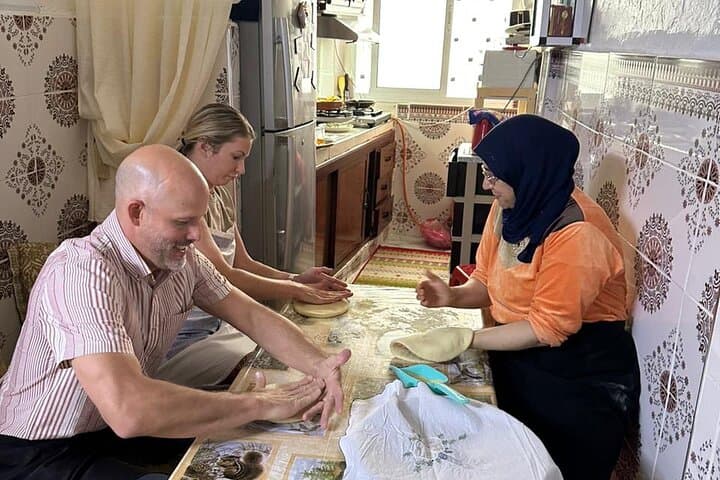
You step through a low door off a winding medina lane and the kitchen greets you: warm tile underfoot, the scent of orange blossom water and toasted almonds, and the steady hiss of a kettle ready for mint tea. Sun from a street-facing window throws a line of light across a wooden counter where dough waits to be shaped.
Verified experiences and guided adventures in the surrounding area.
Operated by NORTH TOURS TANGIER · Tangier, Tanger-Tetouan-Al Hoceima
You step through a low door off a winding medina lane and the kitchen greets you: warm tile underfoot, the scent of orange blossom water and toasted almonds, and the steady hiss of a kettle ready for mint tea. Sun from a street-facing window throws a line of light across a wooden counter where dough waits to be shaped.
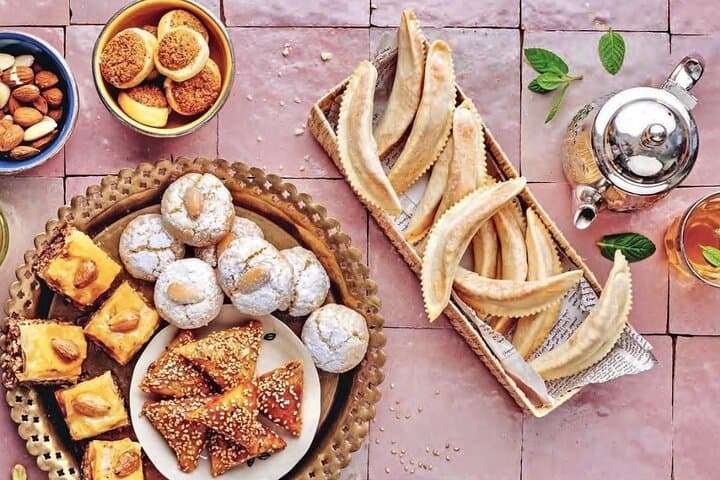
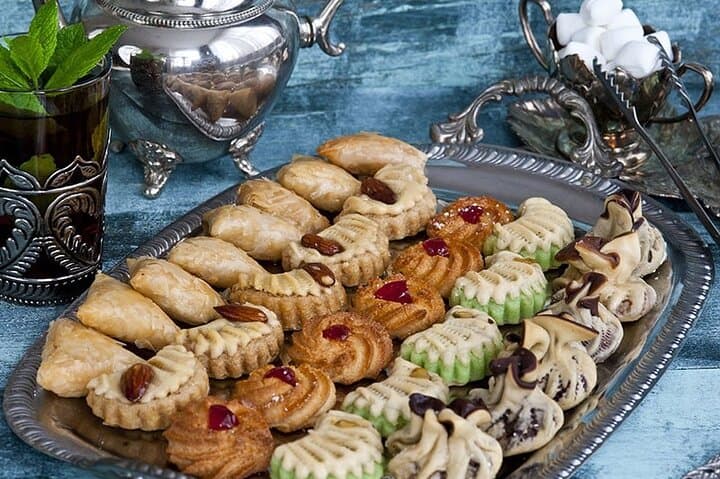
Moroccan pastries reflect Tangier’s layered history—Andalusian techniques, Berber ingredients, Ottoman and Mediterranean trade brought sugar, nuts and spices. In this class you’ll try age-old recipes: folding briouats, pressing kaab el ghazal (gazelle horns) and learning the thin, pan-fried art behind msemen. The ceremony of Moroccan tea—green gunpowder leaves, sprigs of mint, the long pour—anchors the tasting and social ritual.
Locally sourced ingredients, like almonds and orange blossom water, come from markets a short walk away; the medina’s scale and texture are part of the lesson. The instructor explains technique and taste while you practice, then you sit to sample what you made.
Practical guidance: the experience runs 3–4 hours, is physically easy and wheelchair accessible, and works well for cooks of any level. Wear shoes suitable for cobbled streets, bring notes or a camera, and flag dietary needs in advance. Expect hands-on time, brief market trips depending on the host, and a private setting that emphasizes technique over spectacle. Leave with new recipes, a small feast, and a better sense of how Tangier’s foodways connect kitchen, market and sea.
easy.
3–4 hours.
Suitable for most fitness levels; requires standing and light walking in the medina.
Yes—classes are designed for cooks of all levels and the instructor teaches technique step-by-step.
Yes; specify allergies or dietary preferences when booking so the host can modify ingredients or recipes.
This listing notes private access and wheelchair accessibility, but confirm pickup or meeting point during booking or check the voucher details.
Many local hosts teach in English and French; confirm language preferences when booking to ensure a match.
Tangier’s cuisine reflects centuries of contact across the Strait of Gibraltar—Andalusian refugees, Berber traditions and European trade shaped pastry styles and tea rituals.
Support local producers and reduce food waste by taking leftovers; choose experiences that source ingredients locally and respect neighborhood life.
NORTH TOURS TANGIER operates guided outdoor trips and adventures with an emphasis on safety, stewardship, and memorable experiences.
You step through a low door off a winding medina lane and the kitchen greets you: warm tile underfoot, the scent of orange blossom water and toasted almonds, and the steady hiss of a kettle ready for mint tea. Sun from a street-facing window throws a line of light across a wooden counter where dough waits to be shaped.
You step through a low door off a winding medina lane and the kitchen greets you: warm tile underfoot, the scent of orange blossom water and toasted almonds, and the steady hiss of a kettle ready for mint tea. Sun from a street-facing window throws a line of light across a wooden counter where dough waits to be shaped.
Moroccan pastries reflect Tangier’s layered history—Andalusian techniques, Berber ingredients, Ottoman and Mediterranean trade brought sugar, nuts and spices. In this class you’ll try age-old recipes: folding briouats, pressing kaab el ghazal (gazelle horns) and learning the thin, pan-fried art behind msemen. The ceremony of Moroccan tea—green gunpowder leaves, sprigs of mint, the long pour—anchors the tasting and social ritual.
Locally sourced ingredients, like almonds and orange blossom water, come from markets a short walk away; the medina’s scale and texture are part of the lesson. The instructor explains technique and taste while you practice, then you sit to sample what you made.
Practical guidance: the experience runs 3–4 hours, is physically easy and wheelchair accessible, and works well for cooks of any level. Wear shoes suitable for cobbled streets, bring notes or a camera, and flag dietary needs in advance. Expect hands-on time, brief market trips depending on the host, and a private setting that emphasizes technique over spectacle. Leave with new recipes, a small feast, and a better sense of how Tangier’s foodways connect kitchen, market and sea.