THE ADVENTURE COLLECTIVE® · Independent discovery and booking for outdoor travel

Cover Tangier’s coastlines, palaces, and caves in a comfortable half-day by car. This guided loop from the port to Cap Spartel and the Hercules Caves delivers coastal views, short walks, and local context for first-time visitors.
Cover Tangier’s coastlines, palaces, and caves in a comfortable half-day by car. This guided loop from the port to Cap Spartel and the Hercules Caves delivers coastal views, short walks, and local context for first-time visitors.
On a bright morning in Tangier, the city unfolds like a map of worlds: blue water to the left, busy avenues to the right, and a coastline that dares you to look farther. A private vehicle threads through Avenue Mohamed VI and past Place de France, pausing at sunlit squares and leafy viewpoints where the sea narrows toward the Strait of Gibraltar.
Verified experiences and guided adventures in the surrounding area.
Operated by Travel With Moroccans · Tangier, Tanger-Tétouan-Al Hoceima
On a bright morning in Tangier, the city unfolds like a map of worlds: blue water to the left, busy avenues to the right, and a coastline that dares you to look farther. A private vehicle threads through Avenue Mohamed VI and past Place de France, pausing at sunlit squares and leafy viewpoints where the sea narrows toward the Strait of Gibraltar.
This tour ties together natural and cultural landmarks. Cap Spartel marks where Atlantic waves push toward the Mediterranean; nearby are the limestone mouths of the Hercules Caves, carved over millennia and wrapped in Phoenician and classical legends. The Rmilat forest and Perdicaris Park offer pockets of maritime pine and shaded trails, while Marshan and the royal palaces show Tangier’s layered past—from Arab dynasties to European consulates and the 20th-century international zone.
Expect short walks, viewpoint stops, and photographic opportunities rather than long hikes. Guides point out geology—coastal cliffs, sea-carved caves—and the city’s multicultural architecture. The drive between sites provides a comfortable way to cover ground and orient yourself for deeper exploration on foot later.
Practical tips: travel with sun protection and a light jacket for coastal breezes, bring cash for small entrance fees and optional camel rides at Achakar Beach, and plan morning or late-afternoon departures to avoid midday traffic and heat. Wheelchair-accessible transport is typically available; confirm pickup location when booking. This itinerary is ideal for travelers seeking fast, informed context over Tangier’s geography, history, and seaside vistas.
easy.
3 hours.
Minimal fitness required; able to board a vehicle and manage short, mostly easy walks of 10–30 minutes.
Pickup is typically available—confirm your pickup point and time when booking to ensure the vehicle can reach your location.
Most viewpoints and palaces are viewed from outside; specific admissions (like guided cave access) are usually paid on site unless stated otherwise.
Camel rides at Achakar Beach are optional and arranged locally for an extra fee; decline if you prefer to stay on foot.
Transport and many public areas are wheelchair accessible, but check vehicle configuration and walking distances with the provider before travel.
Tangier’s position at the Strait of Gibraltar made it a crossroads of Phoenician, Roman, Arab, and European powers; the 20th-century international zone left a visible legacy in its architecture and consular quarter.
Coastal cliffs and dune habitats are sensitive to foot traffic—stay on paths, avoid disturbing nesting birds, and support local guides and small businesses to reduce visitor impact.
Travel With Moroccans operates guided outdoor trips and adventures with an emphasis on safety, stewardship, and memorable experiences.
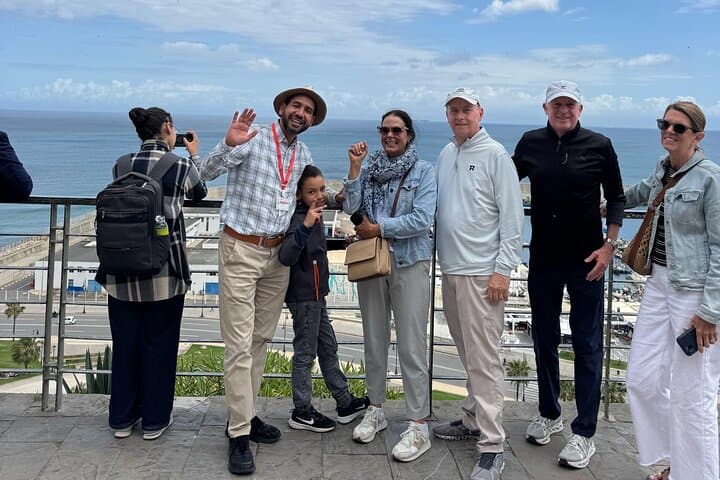
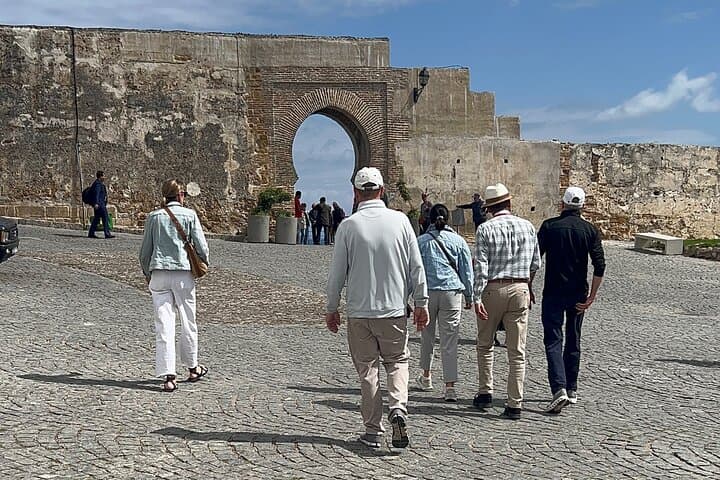
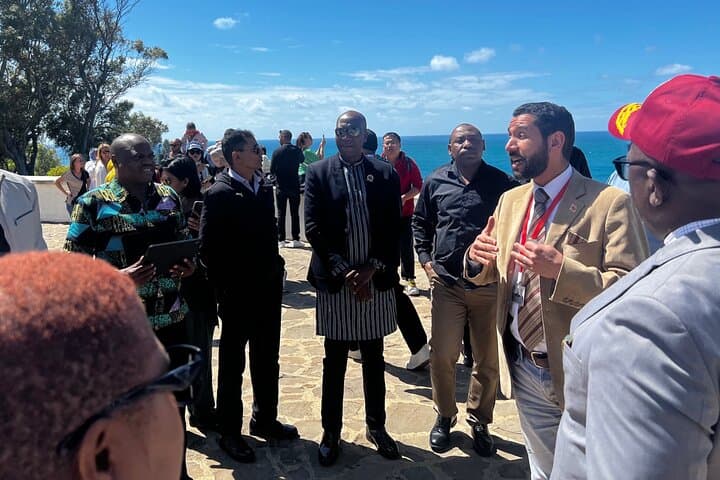
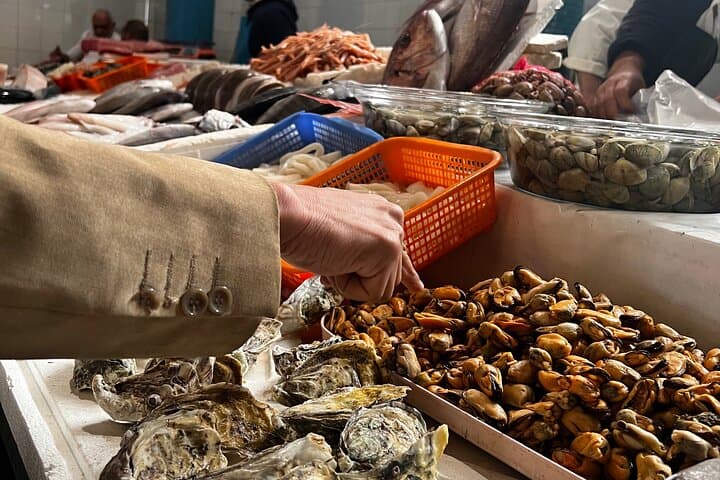
On a bright morning in Tangier, the city unfolds like a map of worlds: blue water to the left, busy avenues to the right, and a coastline that dares you to look farther. A private vehicle threads through Avenue Mohamed VI and past Place de France, pausing at sunlit squares and leafy viewpoints where the sea narrows toward the Strait of Gibraltar.
On a bright morning in Tangier, the city unfolds like a map of worlds: blue water to the left, busy avenues to the right, and a coastline that dares you to look farther. A private vehicle threads through Avenue Mohamed VI and past Place de France, pausing at sunlit squares and leafy viewpoints where the sea narrows toward the Strait of Gibraltar.
This tour ties together natural and cultural landmarks. Cap Spartel marks where Atlantic waves push toward the Mediterranean; nearby are the limestone mouths of the Hercules Caves, carved over millennia and wrapped in Phoenician and classical legends. The Rmilat forest and Perdicaris Park offer pockets of maritime pine and shaded trails, while Marshan and the royal palaces show Tangier’s layered past—from Arab dynasties to European consulates and the 20th-century international zone.
Expect short walks, viewpoint stops, and photographic opportunities rather than long hikes. Guides point out geology—coastal cliffs, sea-carved caves—and the city’s multicultural architecture. The drive between sites provides a comfortable way to cover ground and orient yourself for deeper exploration on foot later.
Practical tips: travel with sun protection and a light jacket for coastal breezes, bring cash for small entrance fees and optional camel rides at Achakar Beach, and plan morning or late-afternoon departures to avoid midday traffic and heat. Wheelchair-accessible transport is typically available; confirm pickup location when booking. This itinerary is ideal for travelers seeking fast, informed context over Tangier’s geography, history, and seaside vistas.