THE ADVENTURE COLLECTIVE® · Independent discovery and booking for outdoor travel

See Tangier’s coastal highlights in a compact 2–3 hour loop: panoramic Cap Spartel, the myth-tinged Hercules Caves, and a gentle camel ride along the Atlantic beach. Ideal for travelers short on time who want a mix of geology, history, and seaside adventure.
See Tangier’s coastal highlights in a compact 2–3 hour loop: panoramic Cap Spartel, the myth-tinged Hercules Caves, and a gentle camel ride along the Atlantic beach. Ideal for travelers short on time who want a mix of geology, history, and seaside adventure.
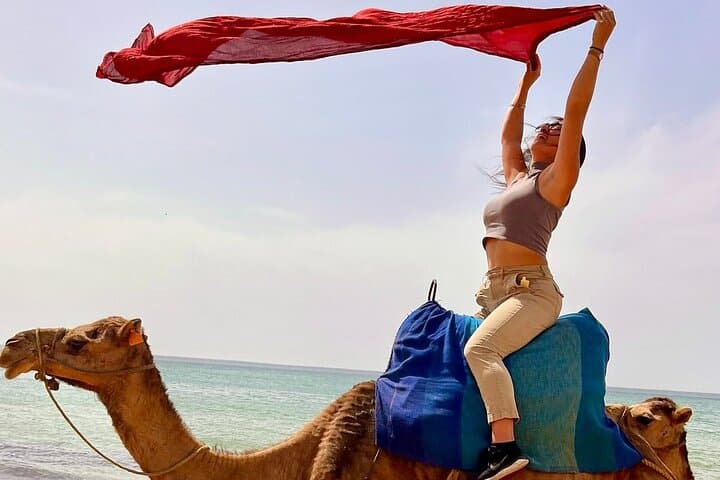
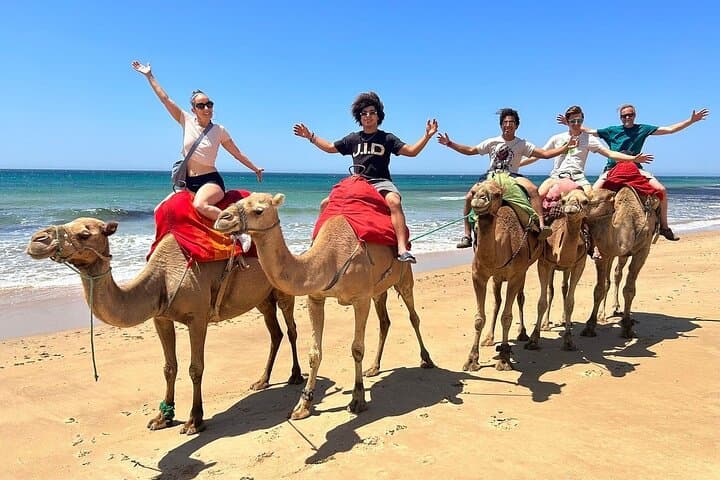
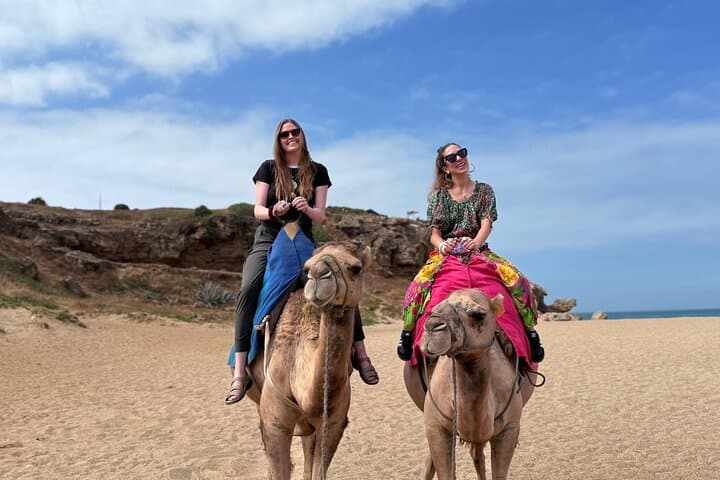
The Atlantic wind hits first—salted and brisk—pushing you out of the minivan as the coast of Tangier unfurls: low cliffs, a broad beach, and the squat silhouette of the Hercules cave carved into limestone. In a compact three-hour loop the tour stitches together Perdicaris Park’s subtropical pines, the panoramic promontory at Cap Spartel, a short camel ride along the sands, and a stop at the cave where waves have hollowed an arched doorway into myth.
Verified experiences and guided adventures in the surrounding area.
Operated by JTT Morocco · Tangier, Tanger-Tetouan-Al Hoceima
The Atlantic wind hits first—salted and brisk—pushing you out of the minivan as the coast of Tangier unfurls: low cliffs, a broad beach, and the squat silhouette of the Hercules cave carved into limestone. In a compact three-hour loop the tour stitches together Perdicaris Park’s subtropical pines, the panoramic promontory at Cap Spartel, a short camel ride along the sands, and a stop at the cave where waves have hollowed an arched doorway into myth.
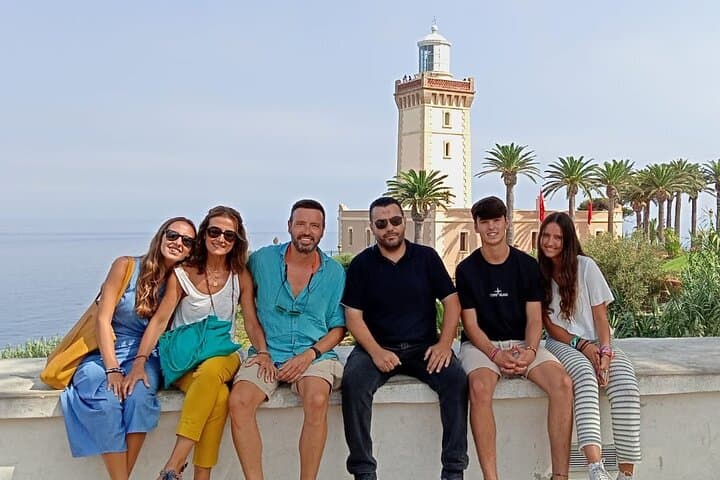
Geology here is obvious: folded Cretaceous limestones meet active Atlantic surf, producing small sea caves and clefts that guided ancient Phoenician and later Roman sailors. Tangier itself carries layers of history—Berber, Arab, Andalusian, European—visible in a bilingual cadence from the driver and the mosaic of old port stories. Cultural notes: Cap Spartel’s lighthouse marks the meeting of the Mediterranean and Atlantic currents and the Hercules cave has local legends tying it to Phoenician myths and later European fascination.
Expect short walks on uneven, sometimes rocky terrain, low steps at viewpoints and sandy stretches for the camel portion. The tour is time-efficient—stops are brief—so plan for concentrated photo opportunities rather than long hikes. Bring sunscreen, a light wind layer, cash for small entrance fees or refreshments, and comfortable shoes for a mix of sand, gravel and stone steps. Morning or late afternoon light improves photography and tames the midday sun. For travelers short on time, this is a practical way to sample Tangier’s coastal highlights while feeling the Atlantic’s push against the shore.
easy.
2–3 hours.
Suitable for most fitness levels—short walks and standing at viewpoints are required.
The camel ride is gentle and short (about 30 minutes), but not recommended for people with back problems or pregnant women; children should be supervised and may require parental assistance mounting.
No—entrance fees to the Hercules Caves and the Cap Spartel lighthouse are typically not included; bring small cash for admissions.
Walking is minimal to moderate: short walks at each stop (15–30 minutes) on uneven terrain and beach; no long hikes required.
The tour does not automatically cancel for poor weather, but extreme conditions may affect beach access or cave visits—check with the operator ahead of time.
Tangier has long been a crossroads between Africa and Europe; Cap Spartel and nearby caves feature in local maritime lore and centuries of seafaring traffic.
Stay on marked paths and avoid disturbing nesting birds or lizards; local sites manage visitor flow to limit erosion on cliffs and beaches.
JTT Morocco operates guided outdoor trips and adventures with an emphasis on safety, stewardship, and memorable experiences.
The Atlantic wind hits first—salted and brisk—pushing you out of the minivan as the coast of Tangier unfurls: low cliffs, a broad beach, and the squat silhouette of the Hercules cave carved into limestone. In a compact three-hour loop the tour stitches together Perdicaris Park’s subtropical pines, the panoramic promontory at Cap Spartel, a short camel ride along the sands, and a stop at the cave where waves have hollowed an arched doorway into myth.
The Atlantic wind hits first—salted and brisk—pushing you out of the minivan as the coast of Tangier unfurls: low cliffs, a broad beach, and the squat silhouette of the Hercules cave carved into limestone. In a compact three-hour loop the tour stitches together Perdicaris Park’s subtropical pines, the panoramic promontory at Cap Spartel, a short camel ride along the sands, and a stop at the cave where waves have hollowed an arched doorway into myth.
Geology here is obvious: folded Cretaceous limestones meet active Atlantic surf, producing small sea caves and clefts that guided ancient Phoenician and later Roman sailors. Tangier itself carries layers of history—Berber, Arab, Andalusian, European—visible in a bilingual cadence from the driver and the mosaic of old port stories. Cultural notes: Cap Spartel’s lighthouse marks the meeting of the Mediterranean and Atlantic currents and the Hercules cave has local legends tying it to Phoenician myths and later European fascination.
Expect short walks on uneven, sometimes rocky terrain, low steps at viewpoints and sandy stretches for the camel portion. The tour is time-efficient—stops are brief—so plan for concentrated photo opportunities rather than long hikes. Bring sunscreen, a light wind layer, cash for small entrance fees or refreshments, and comfortable shoes for a mix of sand, gravel and stone steps. Morning or late afternoon light improves photography and tames the midday sun. For travelers short on time, this is a practical way to sample Tangier’s coastal highlights while feeling the Atlantic’s push against the shore.