THE ADVENTURE COLLECTIVE® · Independent discovery and booking for outdoor travel

Explore Tangier’s coastline, from Cap Spartel’s meeting of seas to a beach camel walk, a small grotto and a traditional Moroccan dinner—with a complimentary photographer capturing the highlights. This private, wheelchair-accessible tour blends light walking and coastal viewpoints over 2–4 hours.
Explore Tangier’s coastline, from Cap Spartel’s meeting of seas to a beach camel walk, a small grotto and a traditional Moroccan dinner—with a complimentary photographer capturing the highlights. This private, wheelchair-accessible tour blends light walking and coastal viewpoints over 2–4 hours.
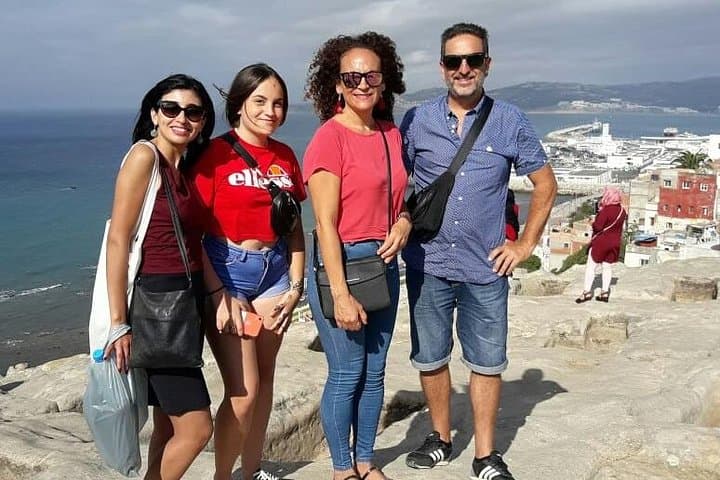
A wind off the Strait of Gibraltar hits the face like an invitation — cool, salty, and insistent. You step from an air-conditioned van into a patchwork of coastal road, scrubby cliffs and flattened sand where the Atlantic and Mediterranean dare to meet at Cap Spartel. A local guide walks beside you, camera in hand, pointing out angles of the city that photographers love.
Verified experiences and guided adventures in the surrounding area.
Operated by Tangier Dija Tours · Tangier, Tanger-Tétouan-Al Hoceïma
A wind off the Strait of Gibraltar hits the face like an invitation — cool, salty, and insistent. You step from an air-conditioned van into a patchwork of coastal road, scrubby cliffs and flattened sand where the Atlantic and Mediterranean dare to meet at Cap Spartel. A local guide walks beside you, camera in hand, pointing out angles of the city that photographers love.
Tangier’s streets carry layers of history: Phoenician trading lanes, Portuguese ramparts, and a 20th‑century international zone that shaped the city’s cosmopolitan edge. Geologically the coastline is limestone and sandstone, carved into small grottoes and overlooks; the Petit Grotte included on this route gives a close look at that coastal erosion. Cultural notes are immediate — the medina’s call to prayer, fishermen mending nets, and the Kasbah’s exterior walls that once watched over ships from Europe.
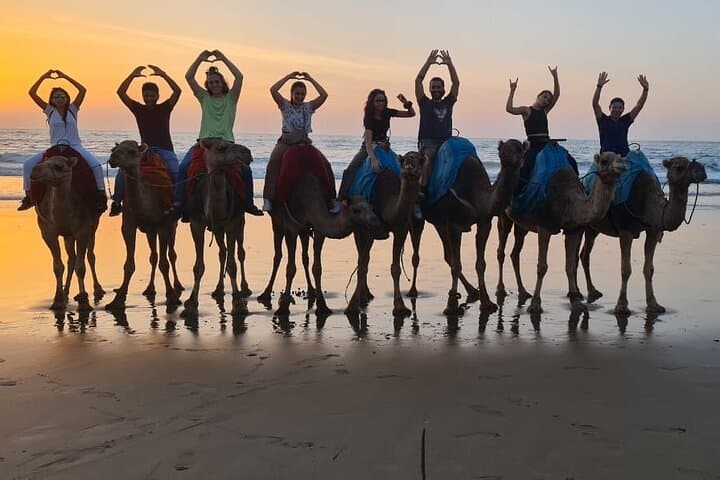
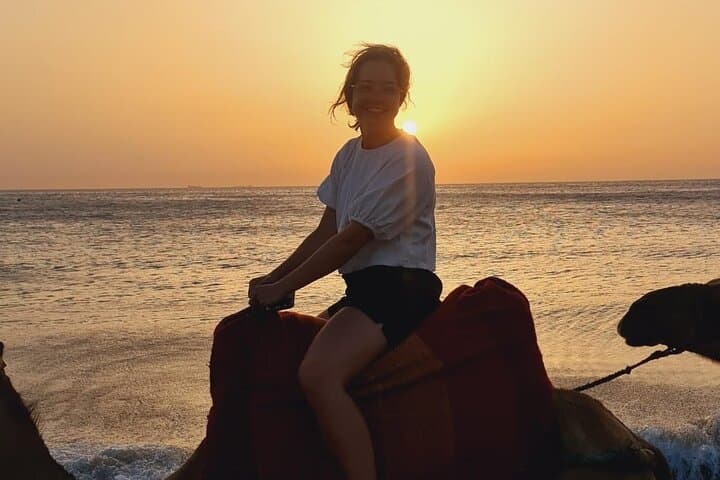
The itinerary balances walking and riding: light strolls through viewpoints, a short camel walk along firm sand, a 20–30 minute stop at Cap Spartel and a 20–30 minute cave visit (larger cave optional for a small fee), ending with a sit-down Moroccan dinner. The pace is unhurried and accessible — surfaces are mostly paved or packed sand; some low steps into the cave. Practical prep: sun protection, a charged camera, local cash for extras, and comfortable shoes. The guide’s free photographer service means you can be present without fidgeting with settings. Expect 2–4 hours of easy coastal exploration with cultural context and a handful of unforgettable seaside moments.
easy.
2–4 hours.
Suitable for all physical fitness levels; requires short walks on paved and sandy surfaces and low cave steps
Yes — a short camel walk along the beach is included as described in the itinerary.
The tour and transportation are listed as wheelchair accessible, though cave access may involve steps; discuss needs at booking.
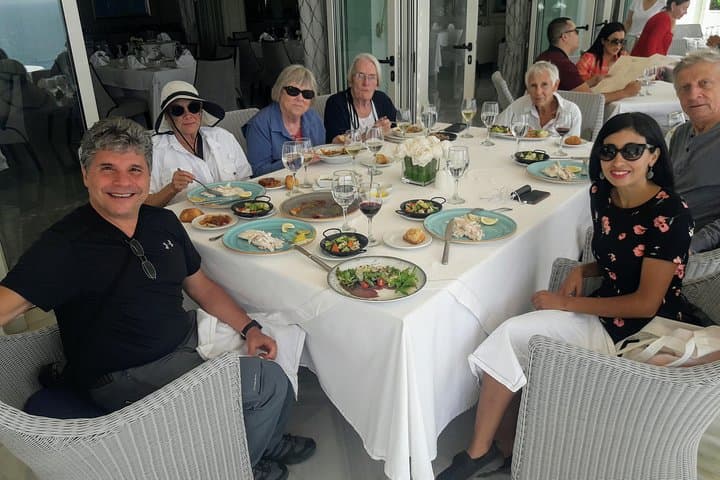
Expect 2–4 hours total with a relaxed pace, several short stops and a 90‑minute dinner at a Moroccan restaurant.
The Petit Grotte visit is included; the larger cave has an optional extra fee (about €6) and any personal purchases/tips are not included.
Tangier was a strategic port with Phoenician, Roman, Portuguese and international-zone influences that shaped its architecture and culture.
Coastal habitats are sensitive — avoid trampling dunes, take all trash with you and respect local marine life; support licensed local guides to benefit the community.
Tangier Dija Tours operates guided outdoor trips and adventures with an emphasis on safety, stewardship, and memorable experiences.
A wind off the Strait of Gibraltar hits the face like an invitation — cool, salty, and insistent. You step from an air-conditioned van into a patchwork of coastal road, scrubby cliffs and flattened sand where the Atlantic and Mediterranean dare to meet at Cap Spartel. A local guide walks beside you, camera in hand, pointing out angles of the city that photographers love.
A wind off the Strait of Gibraltar hits the face like an invitation — cool, salty, and insistent. You step from an air-conditioned van into a patchwork of coastal road, scrubby cliffs and flattened sand where the Atlantic and Mediterranean dare to meet at Cap Spartel. A local guide walks beside you, camera in hand, pointing out angles of the city that photographers love.
Tangier’s streets carry layers of history: Phoenician trading lanes, Portuguese ramparts, and a 20th‑century international zone that shaped the city’s cosmopolitan edge. Geologically the coastline is limestone and sandstone, carved into small grottoes and overlooks; the Petit Grotte included on this route gives a close look at that coastal erosion. Cultural notes are immediate — the medina’s call to prayer, fishermen mending nets, and the Kasbah’s exterior walls that once watched over ships from Europe.
The itinerary balances walking and riding: light strolls through viewpoints, a short camel walk along firm sand, a 20–30 minute stop at Cap Spartel and a 20–30 minute cave visit (larger cave optional for a small fee), ending with a sit-down Moroccan dinner. The pace is unhurried and accessible — surfaces are mostly paved or packed sand; some low steps into the cave. Practical prep: sun protection, a charged camera, local cash for extras, and comfortable shoes. The guide’s free photographer service means you can be present without fidgeting with settings. Expect 2–4 hours of easy coastal exploration with cultural context and a handful of unforgettable seaside moments.