THE ADVENTURE COLLECTIVE® · Independent discovery and booking for outdoor travel

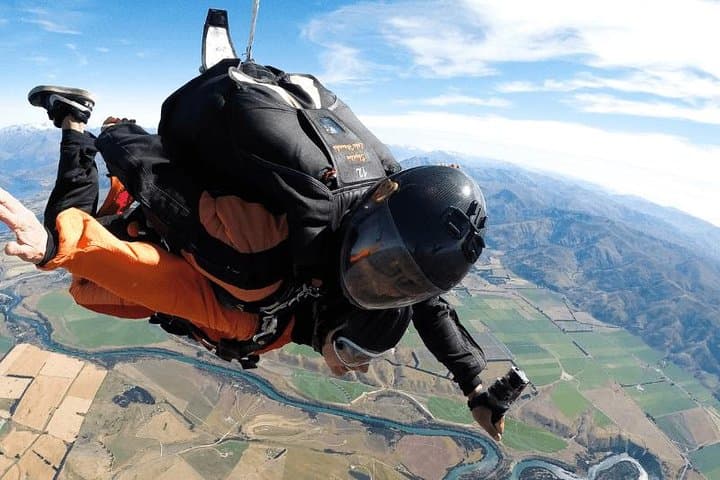
Launch from Wanaka Airport and freefall above the Southern Alps, lakes and the Clutha River on a 20-minute scenic climb and adrenaline-packed tandem skydive. Expect crisp alpine views, a thorough safety briefing, and a gentle canopy ride back to shore.
Launch from Wanaka Airport and freefall above the Southern Alps, lakes and the Clutha River on a 20-minute scenic climb and adrenaline-packed tandem skydive. Expect crisp alpine views, a thorough safety briefing, and a gentle canopy ride back to shore.
The plane’s engine thumps, Wanaka shrinking below like a map, and the Southern Alps lean in as if to see you off. On a clear day the drop zone’s runway sits framed by glacier-tipped peaks and blue lake water; when the door opens the air smells like cold altitude and the world tilts into motion.
Verified experiences and guided adventures in the surrounding area.
Operated by Skydive Wanaka · Wanaka, Otago
The plane’s engine thumps, Wanaka shrinking below like a map, and the Southern Alps lean in as if to see you off. On a clear day the drop zone’s runway sits framed by glacier-tipped peaks and blue lake water; when the door opens the air smells like cold altitude and the world tilts into motion.
This is Central Otago country: the Clutha River carving its route from glacial lakes, Māori routes once used for seasonal hunting and travel, and later goldrush and farming settlements that shaped Wanaka’s human story. Geologically the Southern Alps are young and steep—fault-driven uplift and glacial sculpting give climbers, skiers and flyers the sharp ridgelines you’ll sweep past during ascent and freefall. Locals balance adventure tourism with a quiet conservation ethic; pilots and tandem masters here are practised in mountain weather and respectful of alpine habitats.
Practical guidance: expect a roughly three-hour window including transport, briefing and a 20-minute scenic climb to altitude. Wear closed-toe shoes and warm layers; temperatures drop quickly at height. Bring ID and disclose weight/medical history at booking—there are weight limits and surcharges. Weather can cancel on short notice; operators advise early-morning slots for steadier winds and clearer air.
The jump itself is short and intense—up to 60 seconds of freefall at ~200 km/h, followed by a peaceful canopy ride with sweeping alpine and lake views. You’ll land on a grassy strip near Wanaka Airport; staff usually have photos and edited video for purchase so you can keep the moment, not your phone, during freefall.
moderate.
2–3 hours.
No special fitness required but be in generally good health and able to kneel and stand; not recommended for people with serious heart or back issues.
Minimum weight is ~30kg; passengers over 95kg face assessment and possible surcharges; under-18s require an adult to sign the waiver—confirm exact limits with the operator.
Flights are weather-dependent—operators will cancel or reschedule for safety and offer a full refund if cancelled 24+ hours prior or same-day if unsafe conditions arise.
No—loose items are not permitted in freefall; operators offer professional photo/video packages recorded by the tandem master or instructor.
Not recommended for those with serious heart problems, spinal injuries or pregnancy; disclose health issues during booking and consult your doctor if unsure.
Wanaka sits on routes long used by Māori for seasonal travel; European goldrush and pastoral farming later shaped local settlement and infrastructure including small airstrips used today for adventure flights.
Operators emphasize minimal impact on alpine habitats—stick to marked areas, avoid disturbing wildlife, and follow Leave No Trace principles when accessing viewpoints.
Skydive Wanaka operates guided outdoor trips and adventures with an emphasis on safety, stewardship, and memorable experiences.


The plane’s engine thumps, Wanaka shrinking below like a map, and the Southern Alps lean in as if to see you off. On a clear day the drop zone’s runway sits framed by glacier-tipped peaks and blue lake water; when the door opens the air smells like cold altitude and the world tilts into motion.
The plane’s engine thumps, Wanaka shrinking below like a map, and the Southern Alps lean in as if to see you off. On a clear day the drop zone’s runway sits framed by glacier-tipped peaks and blue lake water; when the door opens the air smells like cold altitude and the world tilts into motion.
This is Central Otago country: the Clutha River carving its route from glacial lakes, Māori routes once used for seasonal hunting and travel, and later goldrush and farming settlements that shaped Wanaka’s human story. Geologically the Southern Alps are young and steep—fault-driven uplift and glacial sculpting give climbers, skiers and flyers the sharp ridgelines you’ll sweep past during ascent and freefall. Locals balance adventure tourism with a quiet conservation ethic; pilots and tandem masters here are practised in mountain weather and respectful of alpine habitats.
Practical guidance: expect a roughly three-hour window including transport, briefing and a 20-minute scenic climb to altitude. Wear closed-toe shoes and warm layers; temperatures drop quickly at height. Bring ID and disclose weight/medical history at booking—there are weight limits and surcharges. Weather can cancel on short notice; operators advise early-morning slots for steadier winds and clearer air.
The jump itself is short and intense—up to 60 seconds of freefall at ~200 km/h, followed by a peaceful canopy ride with sweeping alpine and lake views. You’ll land on a grassy strip near Wanaka Airport; staff usually have photos and edited video for purchase so you can keep the moment, not your phone, during freefall.