THE ADVENTURE COLLECTIVE® · Independent discovery and booking for outdoor travel

Experience a tandem skydive above Mission Beach from up to 15,000 ft, with reef, rainforest and a possible beach landing. This guide previews the scenery, local context and practical tips to prepare for the jump.
Experience a tandem skydive above Mission Beach from up to 15,000 ft, with reef, rainforest and a possible beach landing. This guide previews the scenery, local context and practical tips to prepare for the jump.
Feet press against the aircraft step and the tropical air pushes back like an invitation. Below, the coastline narrows into a ribbon of white sand, the Great Barrier Reef pinpricks of turquoise, and a fringe of dark rainforest that seems to hold its breath. At 15,000 feet the world flattens into color bands; when the door opens the horizon leans forward and the drop tests every instinct.
Verified experiences and guided adventures in the surrounding area.
Operated by Skydive Australia · Mission Beach, Queensland
Feet press against the aircraft step and the tropical air pushes back like an invitation. Below, the coastline narrows into a ribbon of white sand, the Great Barrier Reef pinpricks of turquoise, and a fringe of dark rainforest that seems to hold its breath. At 15,000 feet the world flattens into color bands; when the door opens the horizon leans forward and the drop tests every instinct.
Mission Beach sits where the Coral Sea meets ancient ranges — a meeting of reef, islands (notably Dunk Island) and lowland rainforest shaped by Pleistocene sea-level change and persistent tropical weather. The Djiru people are the traditional custodians of this stretch of coast, and the area’s history includes early European settlers, wartime radar posts, and decades of nature‑based tourism driven by the reef and rainforest.
The jump delivers panoramic geology — fringing reef terraces, sandbars, and steep forested slopes — and a rare mix of marine and inland ecosystems visible in one descent. Culture here is informal and outdoorsy: cafes, surf shops and cassowary sightings define the local rhythm.
Practical guidance: plan for a 2‑hour window, arrive hydrated and light; enclosed running shoes and a windproof layer are required. Bring ID and be prepared to disclose weight and health conditions. Beach landings happen weather permitting; offshore winds and low cloud can alter schedules. Expect clear briefings, experienced tandem instructors, and the usual parachuting risks — read the operator’s safety notes and respect weight and age limits. Book early during peak season and aim for morning slots for more stable thermals and clearer reef views.
moderate.
2 hours.
Basic fitness — able to climb into a small aircraft and follow instructor directions; no special endurance required.
Minimum age is generally 16 (with parental consent if under 18); standard published weight limits apply and surcharges or approval may be required above ~94 kg (207 lbs). Check the operator for exact thresholds.
Beach landings are offered weather permitting — wind direction and surface conditions dictate whether the landing is on sand or a grassy strip.
Flights may be postponed or rescheduled if winds, low cloud, or rain make jumping unsafe; operators usually offer a full refund if cancelled at least 24 hours beforehand.
No. The jump is tandem with a qualified instructor; you’ll receive a safety briefing and harnessing instruction before boarding.
The Mission Beach coastline is on Djiru country; European settlement and wartime infrastructure later shaped small coastal communities focused on fishing and tourism.
The jump looks over the Great Barrier Reef Marine Park and wet tropical rainforests — visitors should follow local guidelines to minimise plastic, avoid wildlife disturbance and support reef-safe sunscreen use.
Skydive Australia operates guided outdoor trips and adventures with an emphasis on safety, stewardship, and memorable experiences.
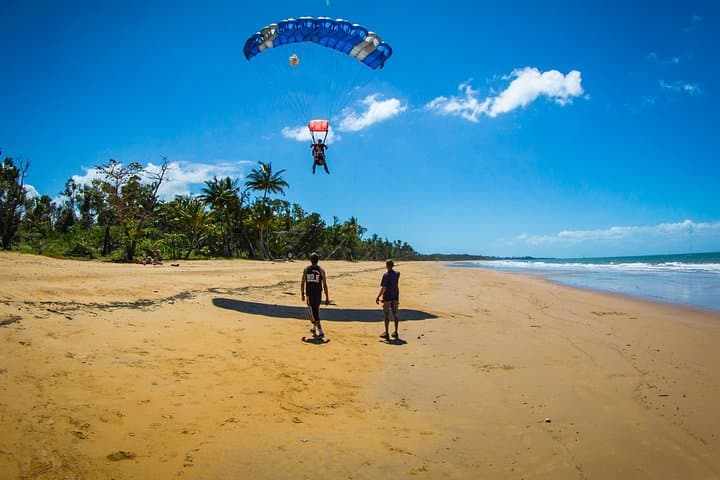
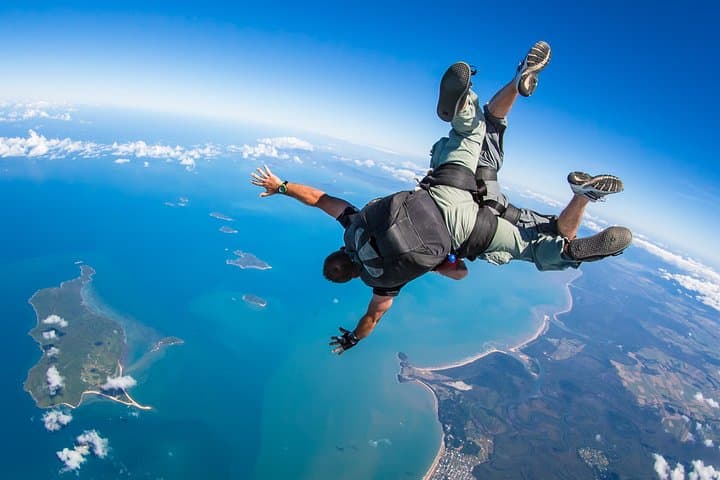


Feet press against the aircraft step and the tropical air pushes back like an invitation. Below, the coastline narrows into a ribbon of white sand, the Great Barrier Reef pinpricks of turquoise, and a fringe of dark rainforest that seems to hold its breath. At 15,000 feet the world flattens into color bands; when the door opens the horizon leans forward and the drop tests every instinct.
Feet press against the aircraft step and the tropical air pushes back like an invitation. Below, the coastline narrows into a ribbon of white sand, the Great Barrier Reef pinpricks of turquoise, and a fringe of dark rainforest that seems to hold its breath. At 15,000 feet the world flattens into color bands; when the door opens the horizon leans forward and the drop tests every instinct.
Mission Beach sits where the Coral Sea meets ancient ranges — a meeting of reef, islands (notably Dunk Island) and lowland rainforest shaped by Pleistocene sea-level change and persistent tropical weather. The Djiru people are the traditional custodians of this stretch of coast, and the area’s history includes early European settlers, wartime radar posts, and decades of nature‑based tourism driven by the reef and rainforest.
The jump delivers panoramic geology — fringing reef terraces, sandbars, and steep forested slopes — and a rare mix of marine and inland ecosystems visible in one descent. Culture here is informal and outdoorsy: cafes, surf shops and cassowary sightings define the local rhythm.
Practical guidance: plan for a 2‑hour window, arrive hydrated and light; enclosed running shoes and a windproof layer are required. Bring ID and be prepared to disclose weight and health conditions. Beach landings happen weather permitting; offshore winds and low cloud can alter schedules. Expect clear briefings, experienced tandem instructors, and the usual parachuting risks — read the operator’s safety notes and respect weight and age limits. Book early during peak season and aim for morning slots for more stable thermals and clearer reef views.