THE ADVENTURE COLLECTIVE® · Independent discovery and booking for outdoor travel

Step out over Ljubljana and fall toward the Julian Alps: a tandem skydive offers about 60 seconds of freefall followed by a calm canopy glide. Read on for what to expect, safety essentials, and local tips to plan your jump.
Step out over Ljubljana and fall toward the Julian Alps: a tandem skydive offers about 60 seconds of freefall followed by a calm canopy glide. Read on for what to expect, safety essentials, and local tips to plan your jump.
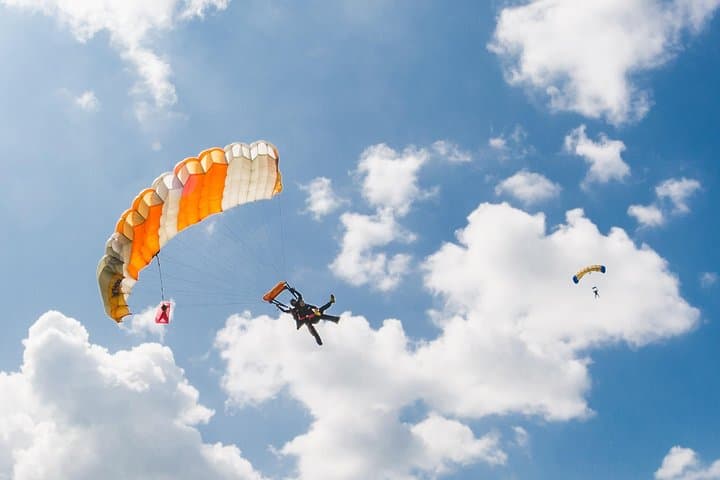
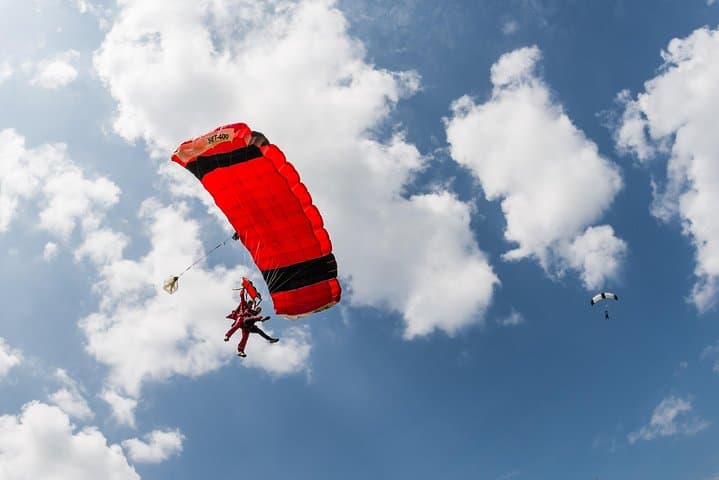
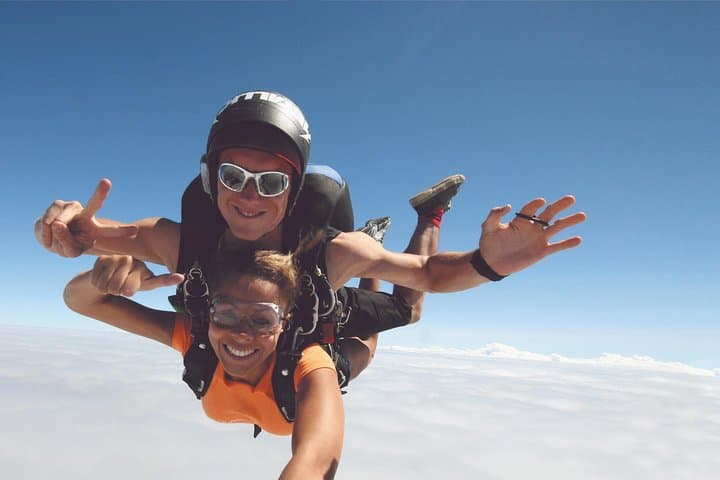
You climb until the city below shrinks to tiles and river ribbon; the aircraft door opens and the wind fills the cabin like a dare. Harness buckled and shoulder to shoulder with a certified jumpmaster, you step out and the world rearranges itself — Ljubljana’s red roofs, the Ljubljanica River, and the ragged spine of the Julian Alps slide past as you accelerate to terminal velocity.
Verified experiences and guided adventures in the surrounding area.
Operated by Skydive Ljubljana · Ljubljana, Central Slovenia
You climb until the city below shrinks to tiles and river ribbon; the aircraft door opens and the wind fills the cabin like a dare. Harness buckled and shoulder to shoulder with a certified jumpmaster, you step out and the world rearranges itself — Ljubljana’s red roofs, the Ljubljanica River, and the ragged spine of the Julian Alps slide past as you accelerate to terminal velocity.
Skydiving in Slovenia has roots in the 1990s when local clubs formalized training and drop-zone safety; Skydive Ljubljana has been operating since 1996 and helped popularize tandem jumps here. Geology matters: the nearby Alps and Karst plateaus create dramatic thermals and visual contrast, and on clear days you can see glacially carved peaks and karst valleys as the canopy opens.
Culturally, this is an urban-to-alpine jump — many clients combine a morning skydive with an afternoon in Ljubljana’s pedestrian center or a day trip to Lake Bled. Expect a structured sequence: check-in and medical/weight screens, a concise safety briefing, a 10–25 minute plane climb, roughly 60 seconds of freefall at ~200 kph, then a 4–7 minute parachute glide to the landing field.
Practically: arrive with ID and your booking confirmation, wear secure closed-toe shoes and layers (it’s colder at altitude), and be ready for weather cancellations — operators cancel for safety. The activity is suitable for most fitness levels but is contraindicated for pregnant travelers and people with serious spinal or cardiovascular issues. If you want video, pre-book a camera package; otherwise, bring a calm mindset and expect the pure, immediate thrum of flight and gravity.
moderate.
1 hour.
No special fitness required; participants should be able to climb into the aircraft and follow instructions. Must meet operator weight/health limits.
Limits vary by operator; typically minimum age is 18 (or 16–17 with parental consent) and maximum tandem weight ranges from ~95–110 kg (210–240 lbs) depending on rider height and equipment — confirm during booking.
No. Tandem skydiving is not recommended for pregnant travelers or people with significant heart conditions or spinal injuries; operators will screen and refuse passengers for safety.
Freefall for a typical jump from 10–13,000 feet is around 45–75 seconds (input cites ~60 seconds), followed by a 3–7 minute canopy descent depending on exit altitude and wind conditions.
Flights are routinely canceled for high winds, low cloud ceilings, or thunderstorms; operators will offer an alternative date or a refund if cancellation falls within policy.
Skydive Ljubljana has operated since 1996 and helped establish modern tandem procedures in Slovenia, bridging club training with commercial tandem offerings.
Respect the airfield and surrounding farmland: stick to marked landing areas, pack out any trash, and avoid disturbing nesting birds during spring.
Skydive Ljubljana operates guided outdoor trips and adventures with an emphasis on safety, stewardship, and memorable experiences.
You climb until the city below shrinks to tiles and river ribbon; the aircraft door opens and the wind fills the cabin like a dare. Harness buckled and shoulder to shoulder with a certified jumpmaster, you step out and the world rearranges itself — Ljubljana’s red roofs, the Ljubljanica River, and the ragged spine of the Julian Alps slide past as you accelerate to terminal velocity.
You climb until the city below shrinks to tiles and river ribbon; the aircraft door opens and the wind fills the cabin like a dare. Harness buckled and shoulder to shoulder with a certified jumpmaster, you step out and the world rearranges itself — Ljubljana’s red roofs, the Ljubljanica River, and the ragged spine of the Julian Alps slide past as you accelerate to terminal velocity.
Skydiving in Slovenia has roots in the 1990s when local clubs formalized training and drop-zone safety; Skydive Ljubljana has been operating since 1996 and helped popularize tandem jumps here. Geology matters: the nearby Alps and Karst plateaus create dramatic thermals and visual contrast, and on clear days you can see glacially carved peaks and karst valleys as the canopy opens.
Culturally, this is an urban-to-alpine jump — many clients combine a morning skydive with an afternoon in Ljubljana’s pedestrian center or a day trip to Lake Bled. Expect a structured sequence: check-in and medical/weight screens, a concise safety briefing, a 10–25 minute plane climb, roughly 60 seconds of freefall at ~200 kph, then a 4–7 minute parachute glide to the landing field.
Practically: arrive with ID and your booking confirmation, wear secure closed-toe shoes and layers (it’s colder at altitude), and be ready for weather cancellations — operators cancel for safety. The activity is suitable for most fitness levels but is contraindicated for pregnant travelers and people with serious spinal or cardiovascular issues. If you want video, pre-book a camera package; otherwise, bring a calm mindset and expect the pure, immediate thrum of flight and gravity.