THE ADVENTURE COLLECTIVE® · Independent discovery and booking for outdoor travel

Fly from Geneva to the heart of the Bernese Oberland for a tandem skydive over Interlaken. This full‑day trip pairs a scenic alpine flight and a 45‑second freefall with a calm parachute glide above Lake Thun and Lake Brienz.
Fly from Geneva to the heart of the Bernese Oberland for a tandem skydive over Interlaken. This full‑day trip pairs a scenic alpine flight and a 45‑second freefall with a calm parachute glide above Lake Thun and Lake Brienz.
You lift off from Geneva and the Rhône valley recedes: vineyards slide under the wings, then the Alps grow teeth—Eiger, Mönch and Jungfrau rising like folded maps. By the time the plane reaches 3,454 meters the lakes of Interlaken are glinting below, and the instructor clips you in for a 45‑second freefall that feels both instant and endless.
Verified experiences and guided adventures in the surrounding area.
Operated by Keytours (Switzerland) · Interlaken, Canton of Bern
You lift off from Geneva and the Rhône valley recedes: vineyards slide under the wings, then the Alps grow teeth—Eiger, Mönch and Jungfrau rising like folded maps. By the time the plane reaches 3,454 meters the lakes of Interlaken are glinting below, and the instructor clips you in for a 45‑second freefall that feels both instant and endless.
The Bernese Oberland has been drawing travelers since the 19th century when alpine railways and hotels turned remote valleys into playgrounds for mountaineers and sightseers. Geology here reads as a ledger of ice—U-shaped valleys, carved cirques and the pale banding of ancient moraines that frame dramatic peaks. Interlaken itself sits on the narrow plain between Lake Thun and Lake Brienz, a practical launch point for high-alpine experiences and a town shaped by tourism, railways and hydropower.
Culturally the area is Swiss in the practical sense: punctual, service-oriented and used to managing weather-driven logistics. Locals balance adventure tourism with farming and small-scale industry; conservation of fragile alpine meadows is an ongoing priority.
Practical guidance: expect a full day—this excursion includes a scenic 3–4 hour drive each way from Geneva, weather-dependent scheduling, and physical screening. Bring layers, sturdy shoes and documents; disclose medical conditions and exact weight ahead of booking. Plan to arrive rested and hydrated, and understand that safety and weather cancellations are standard. When the parachute opens, the descent becomes a quiet glide—mountains, lakes and villages spread like a map you can almost reach for.
challenging.
10–13 hours.
You should be in good cardiovascular health with no serious back or heart conditions; tandem jumps still require core stability and mobility for exits and landings.
Yes—operators set maximum and sometimes minimum weight limits for safety; you must declare exact weight at booking and at check‑in.
Flights and jumps are weather‑dependent; poor visibility, high winds or storms will trigger postponement or a full refund if cancelled within the policy window.
No prior experience is required—the jump is a tandem skydive with a professional instructor who handles pilot chute, canopy and landing.
Most companies offer professional photo/video packages filmed by an instructor or cameraman; personal cameras or phones are generally not permitted during freefall.
Interlaken grew as a tourist hub in the 1800s when rail and steamship links brought visitors to the Bernese Alps; the Jungfrau Railway later opened access to high alpine sites.
The high‑alpine environment is fragile—follow marked trails, avoid trampling meadow flowers, and respect local rules on drones and wildlife disturbance.
Keytours (Switzerland) operates guided outdoor trips and adventures with an emphasis on safety, stewardship, and memorable experiences.
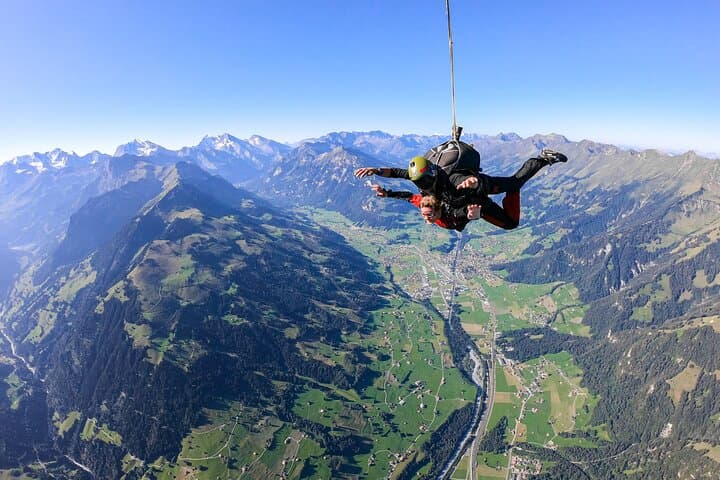
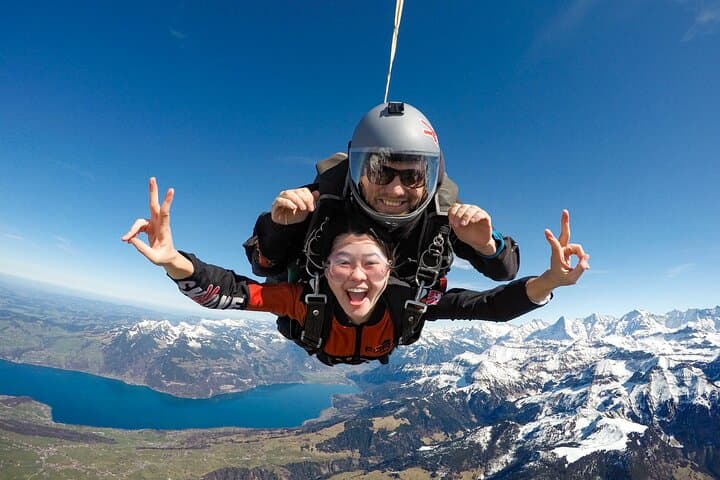
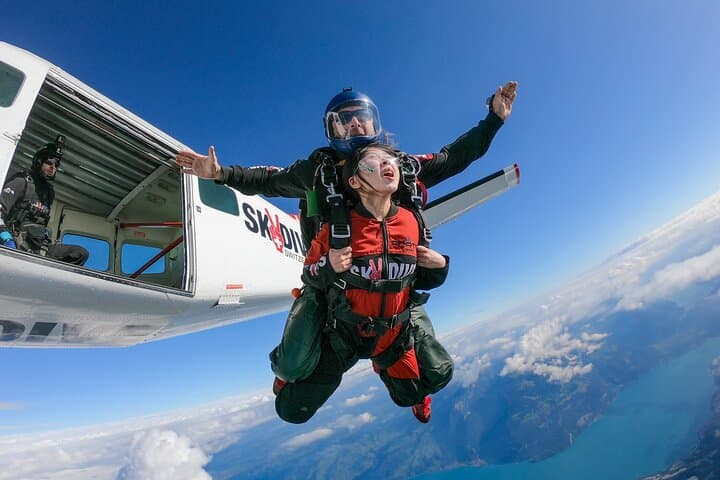
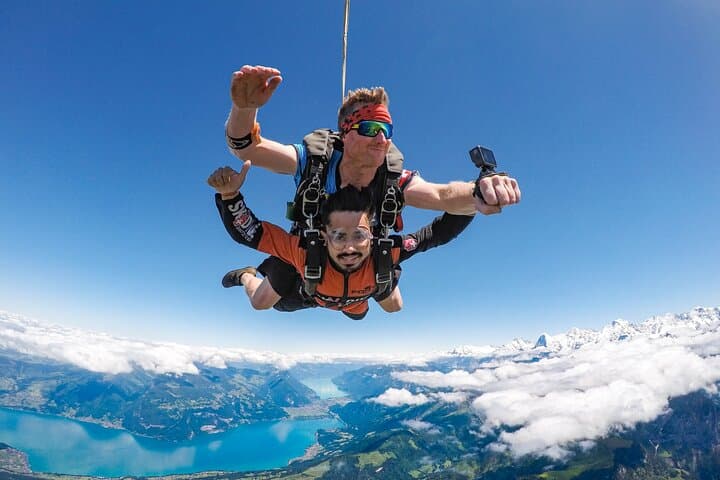
You lift off from Geneva and the Rhône valley recedes: vineyards slide under the wings, then the Alps grow teeth—Eiger, Mönch and Jungfrau rising like folded maps. By the time the plane reaches 3,454 meters the lakes of Interlaken are glinting below, and the instructor clips you in for a 45‑second freefall that feels both instant and endless.
You lift off from Geneva and the Rhône valley recedes: vineyards slide under the wings, then the Alps grow teeth—Eiger, Mönch and Jungfrau rising like folded maps. By the time the plane reaches 3,454 meters the lakes of Interlaken are glinting below, and the instructor clips you in for a 45‑second freefall that feels both instant and endless.
The Bernese Oberland has been drawing travelers since the 19th century when alpine railways and hotels turned remote valleys into playgrounds for mountaineers and sightseers. Geology here reads as a ledger of ice—U-shaped valleys, carved cirques and the pale banding of ancient moraines that frame dramatic peaks. Interlaken itself sits on the narrow plain between Lake Thun and Lake Brienz, a practical launch point for high-alpine experiences and a town shaped by tourism, railways and hydropower.
Culturally the area is Swiss in the practical sense: punctual, service-oriented and used to managing weather-driven logistics. Locals balance adventure tourism with farming and small-scale industry; conservation of fragile alpine meadows is an ongoing priority.
Practical guidance: expect a full day—this excursion includes a scenic 3–4 hour drive each way from Geneva, weather-dependent scheduling, and physical screening. Bring layers, sturdy shoes and documents; disclose medical conditions and exact weight ahead of booking. Plan to arrive rested and hydrated, and understand that safety and weather cancellations are standard. When the parachute opens, the descent becomes a quiet glide—mountains, lakes and villages spread like a map you can almost reach for.