THE ADVENTURE COLLECTIVE® · Independent discovery and booking for outdoor travel

Launch a tandem powered paraglider from a grass strip and glide low over Delaware’s marshes, farms, and shorelines. This one-hour beginner lesson combines hands-on instruction, helmet-to-helmet comms, and the rare quiet of a throttle-cut glide.
Launch a tandem powered paraglider from a grass strip and glide low over Delaware’s marshes, farms, and shorelines. This one-hour beginner lesson combines hands-on instruction, helmet-to-helmet comms, and the rare quiet of a throttle-cut glide.
The engine hums, the trike taxis across a wide grass strip and the wing behind it breathes upward like a living sail. In a matter of seconds a gentle lift takes the wheels off the ground and the shoreline, marsh, and farmland peel away beneath you — low and intimate at 25 mph relative to the wind, or higher if conditions allow.
Verified experiences and guided adventures in the surrounding area.
Operated by First Flight · Smyrna, Delaware
The engine hums, the trike taxis across a wide grass strip and the wing behind it breathes upward like a living sail. In a matter of seconds a gentle lift takes the wheels off the ground and the shoreline, marsh, and farmland peel away beneath you — low and intimate at 25 mph relative to the wind, or higher if conditions allow.
This beginner tandem powered paragliding lesson introduces students to controlled flight: a preflight safety talk, a checklist, a few practice taxi runs, then ascent. Flights commonly climb to 1,500–3,000 ft for broad views of Delaware’s Atlantic Coastal Plain — flat, sediment-rich terrain sculpted by rivers and tides since the last ice age. From the air you’ll spot tidal creeks, farm grids, and small coastal towns shaped by fishing and agriculture; locally, pilots still pack wings by hand and trade stories about thermals and estuary currents.
Expect to see raptors circling, waterfowl moving like punctuation across marshes, and the occasional deer or fox in open fields. The silence when pilots reduce throttle and glide is often cited as the emotional high point — the wind in the lines, the pilot’s voice in your helmet mic, your own breathing.
Practical notes: the whole appointment is about an hour (≈30-minute flight time possible), weight and basic mobility are checked at booking, and flights are weather-dependent. Wear layered windproof outerwear, closed-toe shoes, and sunglasses; bring a small camera if you want photos. If conditions cut a flight short, operators typically rebook or prorate. For first-timers this is an accessible, instructive way to experience flight and learn basic handling in real time.
easy.
45–75 minutes.
Light mobility required—able to walk short distances and run a few paces during takeoff; suitable for most fitness levels
No—this is a beginner tandem lesson with instruction; the pilot handles most controls initially and will let students try when safe.
The full appointment is about an hour; flight time typically ranges from 20–40 minutes depending on weather and airspace limits.
Yes—pilots check winds and forecasts 20–24 hours ahead; operators may reschedule or prorate if conditions prevent a safe flight.
Passengers with serious heart or spinal conditions are not recommended; weight information is required at booking to ensure safe aircraft trim.
Flights pass over land shaped by the Atlantic Coastal Plain and centuries of agriculture and coastal commerce that defined Delaware’s small towns.
Respect marshland habitats—avoid hovering low over breeding colonies and follow pilot directions to reduce disturbance to wildlife.
First Flight operates guided outdoor trips and adventures with an emphasis on safety, stewardship, and memorable experiences.
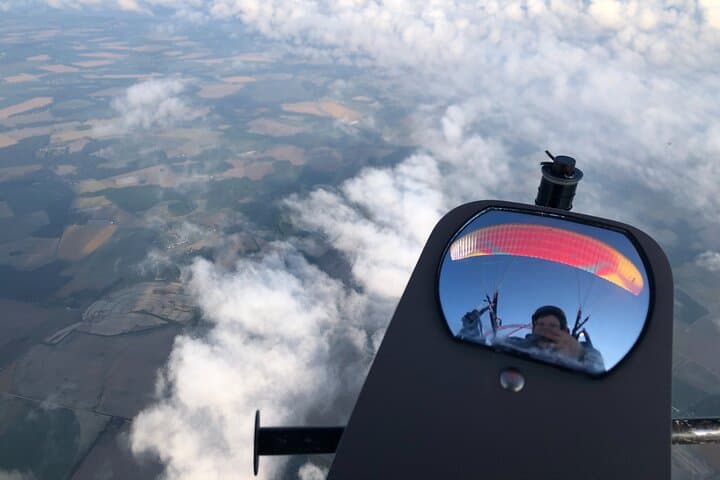
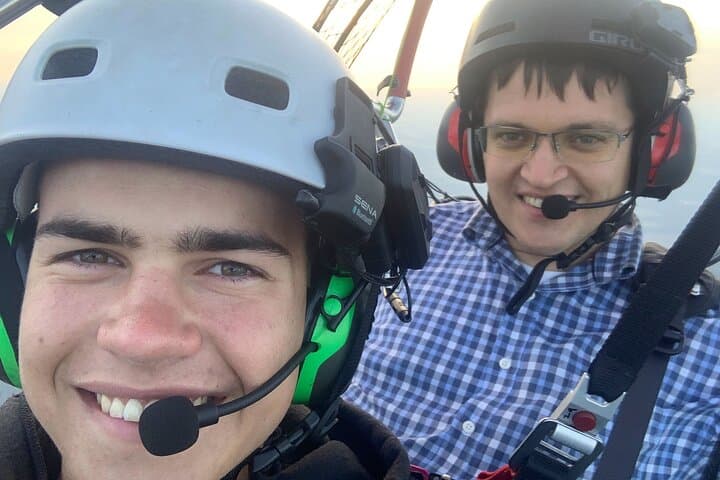
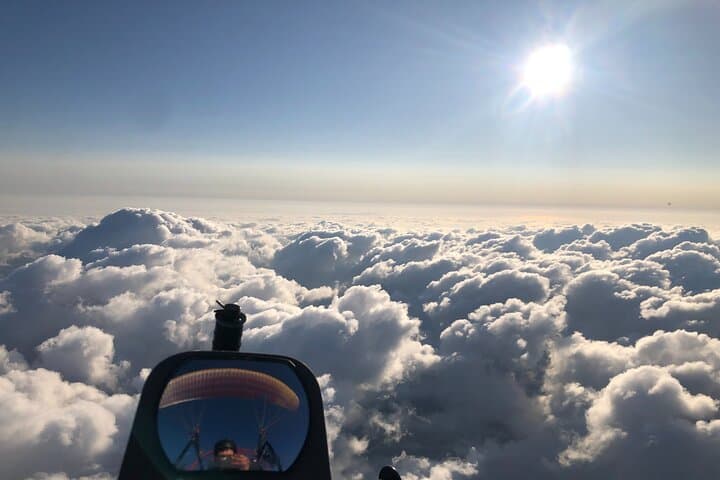
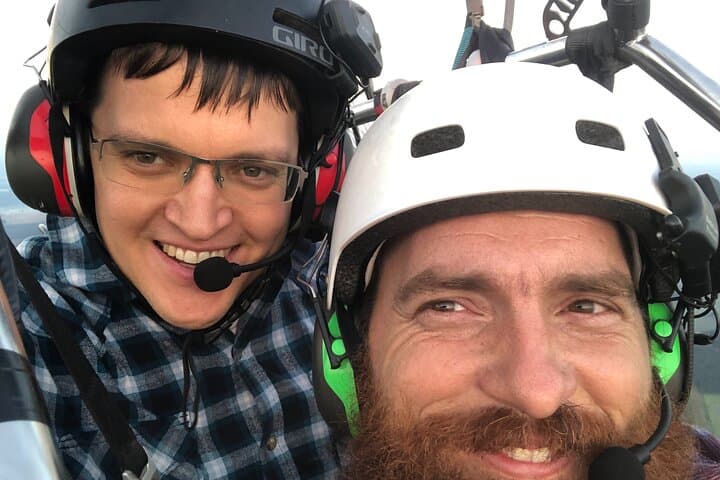
The engine hums, the trike taxis across a wide grass strip and the wing behind it breathes upward like a living sail. In a matter of seconds a gentle lift takes the wheels off the ground and the shoreline, marsh, and farmland peel away beneath you — low and intimate at 25 mph relative to the wind, or higher if conditions allow.
The engine hums, the trike taxis across a wide grass strip and the wing behind it breathes upward like a living sail. In a matter of seconds a gentle lift takes the wheels off the ground and the shoreline, marsh, and farmland peel away beneath you — low and intimate at 25 mph relative to the wind, or higher if conditions allow.
This beginner tandem powered paragliding lesson introduces students to controlled flight: a preflight safety talk, a checklist, a few practice taxi runs, then ascent. Flights commonly climb to 1,500–3,000 ft for broad views of Delaware’s Atlantic Coastal Plain — flat, sediment-rich terrain sculpted by rivers and tides since the last ice age. From the air you’ll spot tidal creeks, farm grids, and small coastal towns shaped by fishing and agriculture; locally, pilots still pack wings by hand and trade stories about thermals and estuary currents.
Expect to see raptors circling, waterfowl moving like punctuation across marshes, and the occasional deer or fox in open fields. The silence when pilots reduce throttle and glide is often cited as the emotional high point — the wind in the lines, the pilot’s voice in your helmet mic, your own breathing.
Practical notes: the whole appointment is about an hour (≈30-minute flight time possible), weight and basic mobility are checked at booking, and flights are weather-dependent. Wear layered windproof outerwear, closed-toe shoes, and sunglasses; bring a small camera if you want photos. If conditions cut a flight short, operators typically rebook or prorate. For first-timers this is an accessible, instructive way to experience flight and learn basic handling in real time.