THE ADVENTURE COLLECTIVE® · Independent discovery and booking for outdoor travel

Launch from Planpraz and glide across the Mont Blanc massif on a 60‑minute tandem flight. This Chamonix experience pairs professional pilots with immediate alpine panoramas—ideal for first-time fliers who want a clean, dramatic view of Europe’s highest summit.
Launch from Planpraz and glide across the Mont Blanc massif on a 60‑minute tandem flight. This Chamonix experience pairs professional pilots with immediate alpine panoramas—ideal for first-time fliers who want a clean, dramatic view of Europe’s highest summit.
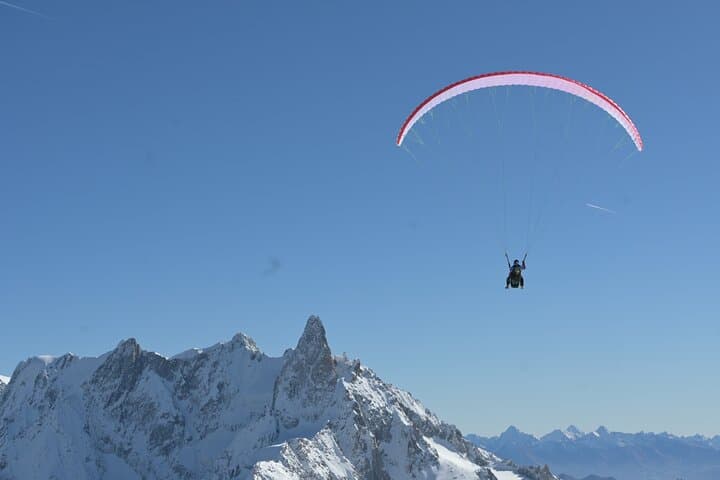
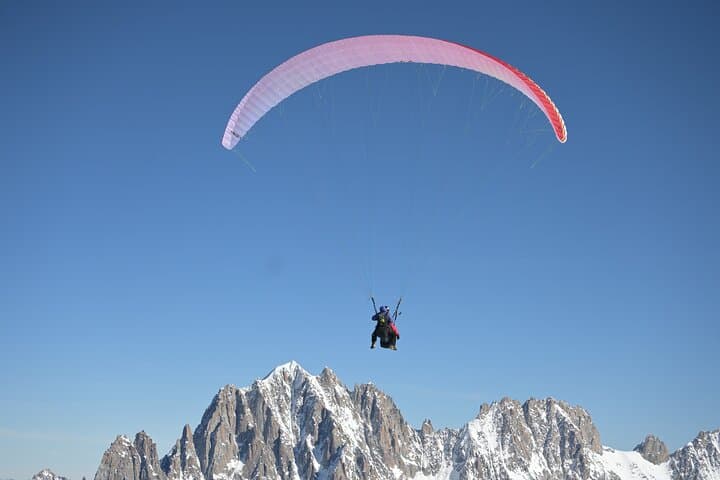
The wing catches the alpine wind like a held breath and, for a moment, the world narrows to snow, sky and the ragged white crown of Mont Blanc.
Verified experiences and guided adventures in the surrounding area.
Operated by Powair Parapente · Chamonix, Auvergne-Rhône-Alpes
The wing catches the alpine wind like a held breath and, for a moment, the world narrows to snow, sky and the ragged white crown of Mont Blanc.
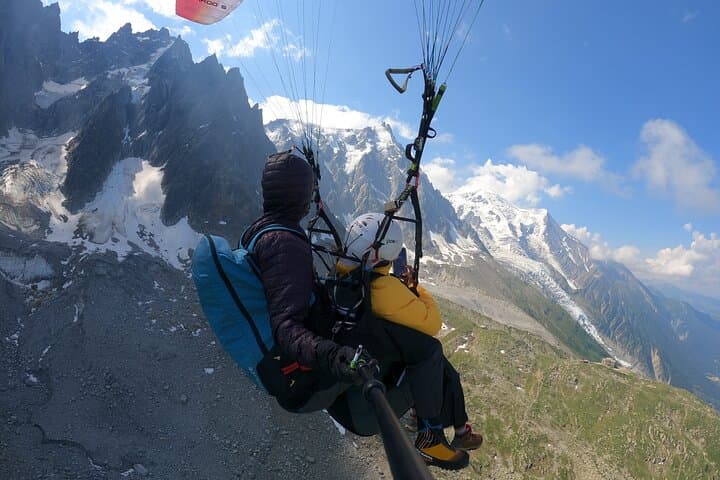
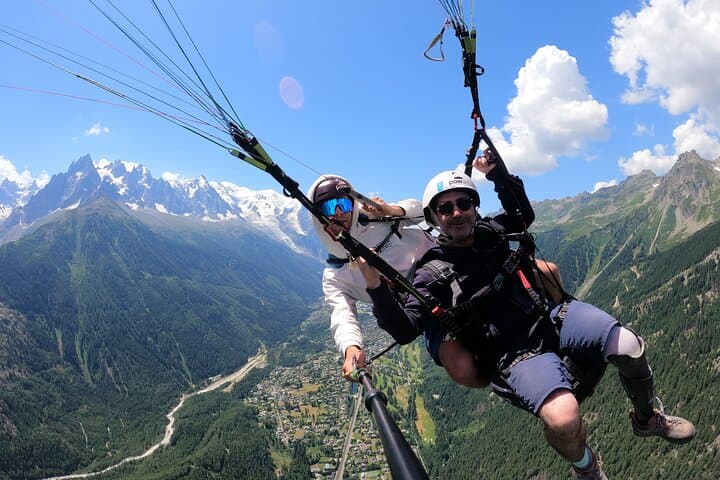
From Planpraz—the upper terminal above Chamonix—a professional pilot straps you to a tandem harness, runs a few confident steps and the valley drops away. The gondola hiss, the last blur of trees, then air: the paraglider lifts on thermals that feel deliberate, like a language the mountains use. Below, the Arve River threads the town; ahead, the Mont Blanc massif presents its glaciated faces, crevasses and cornices in severe relief.
This is where alpine history meets modern flight. Chamonix, the cradle of Western alpinism since the late 18th century, has long been a proving ground for people who try to leave the earth politely. The geology is raw—granite spires and Pleistocene glaciers carved deep bowls—and the region’s relationship with altitude shaped local culture, from mountain guide traditions to the lift systems that make takeoff accessible.
Paragliding here is practical and precise. A typical flight lasts roughly 60 minutes from the moment you leave Planpraz; while the instructor manages ballast and landing, passengers can often take the controls mid-flight under supervision. Equipment is provided: harness, helmet and a reserve parachute. The operation runs from the Planpraz gondola meeting point—plan your one-way ride up and expect to arrive at least 15 minutes early.
Safety and logistics are straightforward but non-negotiable. Flights are canceled for unsafe weather; operators restrict bookings for pregnant people and anyone with serious cardiovascular issues, and enforce a maximum weight (around 130 kg). Your run-up is short but you should be able to jog a few steps for takeoff. Dress in layers; temperatures at altitude shift quickly, and wind can bite.
For the traveler who wants both rush and perspective, this flight is efficient—no long approaches, maximum alpine exposure. After landing you’ll debrief with your pilot beside the landing field, replaying the best lines over coffee. Practical prep: book the Planpraz gondola ticket in advance, bring ID and your exact weight at booking, and choose a clear day for the most dramatic vistas. If you want a photo, make arrangements with your pilot or bring a compact chest-mounted camera—hands-free shots capture the scale without compromising safety.
In the end it’s honest: a technical, airborne view of one of Europe’s highest summits, delivered with expert hands and an unvarnished look at the massif that shaped modern mountaineering.
easy.
1 hour.
Light fitness—able to run a few steps for takeoff and stand during briefing; suitable for most non-disabled travelers
No—tandem flights are for beginners and the pilot manages takeoff, flight and landing; passengers can try basic steering under supervision.
The activity is about 60 minutes from takeoff to landing; it includes equipment (harness, helmet, reserve parachute) and a briefing and debrief with your instructor.
Meet in front of the Planpraz gondola counter in Chamonix; you must purchase a one-way gondola ticket (about €20) to reach the takeoff area.
Not recommended for pregnant travelers or people with serious cardiovascular conditions; the operator forbids persons 130 kg (≈286 lb) or more.
Yes—pilots usually allow passengers to handle the risers and practice basic steering, but the instructor manages critical moments like landing.
Flights are canceled in unsafe conditions; the operator allows full refunds if you cancel at least 24 hours before the scheduled time, and they may cancel for safety reasons.
Chamonix grew from a mountain village into the birthplace of modern alpinism after the first recorded ascent of Mont Blanc in 1786; guiding remains central to local culture.
The Mont Blanc massif is ecologically sensitive—stay on marked routes, carry out waste, and avoid flying over fragile glacier tongues to reduce disturbance.
Powair Parapente operates guided outdoor trips and adventures with an emphasis on safety, stewardship, and memorable experiences.
The wing catches the alpine wind like a held breath and, for a moment, the world narrows to snow, sky and the ragged white crown of Mont Blanc.
The wing catches the alpine wind like a held breath and, for a moment, the world narrows to snow, sky and the ragged white crown of Mont Blanc.
From Planpraz—the upper terminal above Chamonix—a professional pilot straps you to a tandem harness, runs a few confident steps and the valley drops away. The gondola hiss, the last blur of trees, then air: the paraglider lifts on thermals that feel deliberate, like a language the mountains use. Below, the Arve River threads the town; ahead, the Mont Blanc massif presents its glaciated faces, crevasses and cornices in severe relief.
This is where alpine history meets modern flight. Chamonix, the cradle of Western alpinism since the late 18th century, has long been a proving ground for people who try to leave the earth politely. The geology is raw—granite spires and Pleistocene glaciers carved deep bowls—and the region’s relationship with altitude shaped local culture, from mountain guide traditions to the lift systems that make takeoff accessible.
Paragliding here is practical and precise. A typical flight lasts roughly 60 minutes from the moment you leave Planpraz; while the instructor manages ballast and landing, passengers can often take the controls mid-flight under supervision. Equipment is provided: harness, helmet and a reserve parachute. The operation runs from the Planpraz gondola meeting point—plan your one-way ride up and expect to arrive at least 15 minutes early.
Safety and logistics are straightforward but non-negotiable. Flights are canceled for unsafe weather; operators restrict bookings for pregnant people and anyone with serious cardiovascular issues, and enforce a maximum weight (around 130 kg). Your run-up is short but you should be able to jog a few steps for takeoff. Dress in layers; temperatures at altitude shift quickly, and wind can bite.
For the traveler who wants both rush and perspective, this flight is efficient—no long approaches, maximum alpine exposure. After landing you’ll debrief with your pilot beside the landing field, replaying the best lines over coffee. Practical prep: book the Planpraz gondola ticket in advance, bring ID and your exact weight at booking, and choose a clear day for the most dramatic vistas. If you want a photo, make arrangements with your pilot or bring a compact chest-mounted camera—hands-free shots capture the scale without compromising safety.
In the end it’s honest: a technical, airborne view of one of Europe’s highest summits, delivered with expert hands and an unvarnished look at the massif that shaped modern mountaineering.