THE ADVENTURE COLLECTIVE® · Independent discovery and booking for outdoor travel

Launch above the Chamonix valley and float beside Mont Blanc’s glaciers on a tandem paragliding flight guided by state-certified pilots. Expect panoramic alpine views, quick weather-driven decisions, and a mix of contemplative soaring or heart-racing maneuvers.
Launch above the Chamonix valley and float beside Mont Blanc’s glaciers on a tandem paragliding flight guided by state-certified pilots. Expect panoramic alpine views, quick weather-driven decisions, and a mix of contemplative soaring or heart-racing maneuvers.
You step onto the sun-warmed grass above the Chamonix valley, wind already teasing the canopy as the massif fills the horizon. In seconds a certified pilot checks your harness, the glider catches a rising breath, and the valley drops away — Mont Blanc and its glaciers opening like a map beneath you.
Verified experiences and guided adventures in the surrounding area.
Operated by Fly Mont Blanc · Chamonix-Mont-Blanc, Auvergne-Rhône-Alpes
You step onto the sun-warmed grass above the Chamonix valley, wind already teasing the canopy as the massif fills the horizon. In seconds a certified pilot checks your harness, the glider catches a rising breath, and the valley drops away — Mont Blanc and its glaciers opening like a map beneath you.
Chamonix’s relationship with high places goes back centuries: alpinists and early tourists arrived in the 18th and 19th centuries, and the town hosted the first Winter Olympics in 1924. Geologically the Mont Blanc massif is a granite behemoth carved by ice; the jagged ridges and broad glacier tongues you see from the air are direct evidence of longstanding glaciers that have sculpted the landscape.
Culturally, flights here feel local — guides are state-certified and often grew up with the mountains as their playground. Expect rapid weather changes: valley thermals can turn a calm float into a playful, dynamic flight for those who want a little adrenaline.
Practical guidance: flights are tandem, so no piloting skill is required, but operators will ask for weight, height and age during booking. Dress in layers and sturdy shoes for the short run on takeoff/landing slopes; a windproof jacket and sunglasses with a strap are essential. Flights typically last around 60 minutes; cancellations are common in high winds or low visibility, and operators prioritize safety. Bring a camera secured on a strap, arrive early to briefings, and listen closely to your pilot — they control the experience and the landing.
This is an accessible, high-adrenaline way to see one of Europe’s great alpine theaters, best approached with practical preparation and respect for mountain weather.
moderate.
1 hour.
Minimal fitness required — you should be able to run briefly on uneven ground for takeoff and walk down a slope at landing.
Pilots monitor conditions closely; operators cancel flights for high winds, low visibility, or unsafe conditions and typically refund or reschedule per their policy.
Booking collects weight and age so the operator can confirm safety limits — disclose accurate details and ask the operator directly for specific cutoffs.
No — flights are tandem with a certified pilot who handles takeoff, flight and landing; you will receive a safety briefing beforehand.
Layered clothing, a windproof jacket, sturdy shoes, and secured sunglasses or a camera are recommended; helmets and technical gear are provided by the operator.
Chamonix has been a center for alpine tourism since the 18th century and hosted the first Winter Olympics in 1924, anchoring its legacy in mountain sports.
The Mont Blanc massif’s glaciers are retreating; stick to marked trails, avoid disturbing fragile high-alpine habitats, and follow operator guidance at takeoff/landing zones.
Fly Mont Blanc operates guided outdoor trips and adventures with an emphasis on safety, stewardship, and memorable experiences.
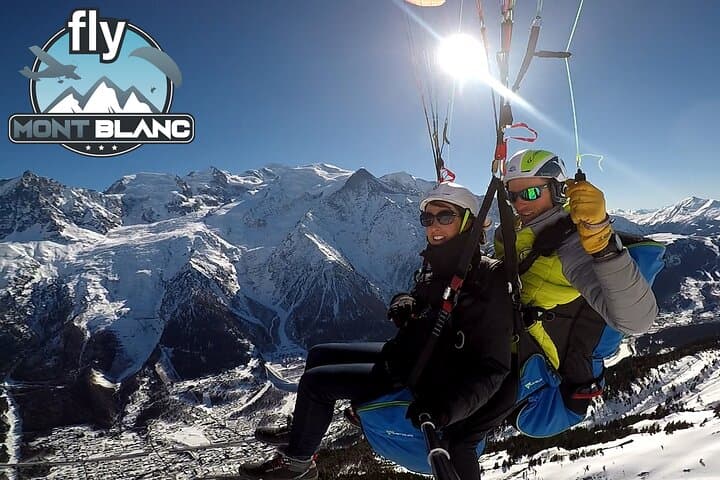
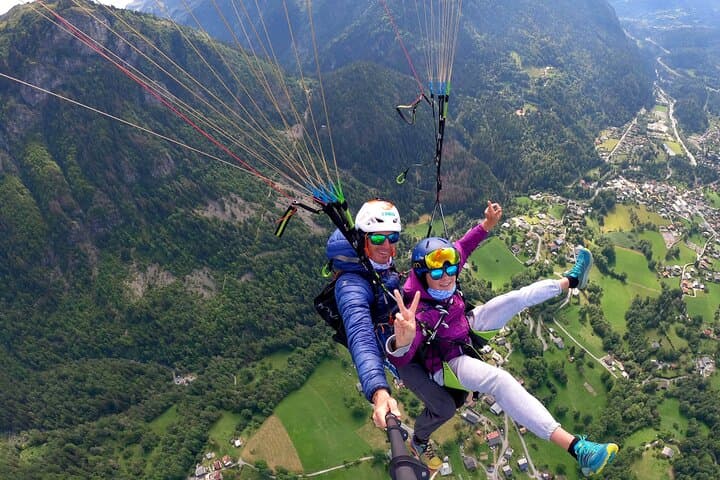
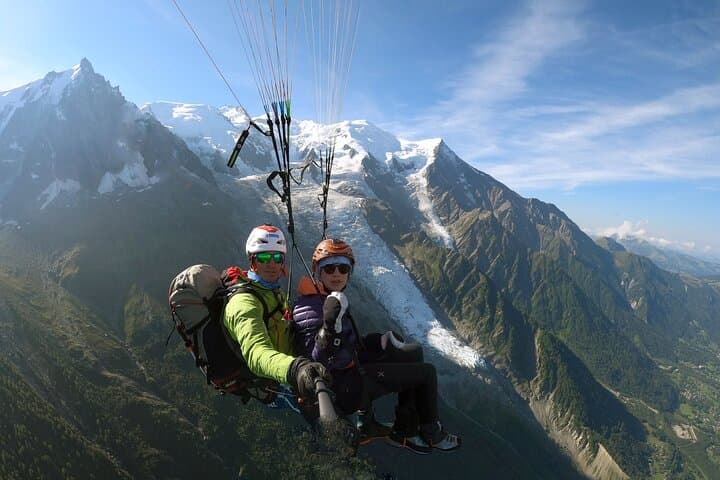
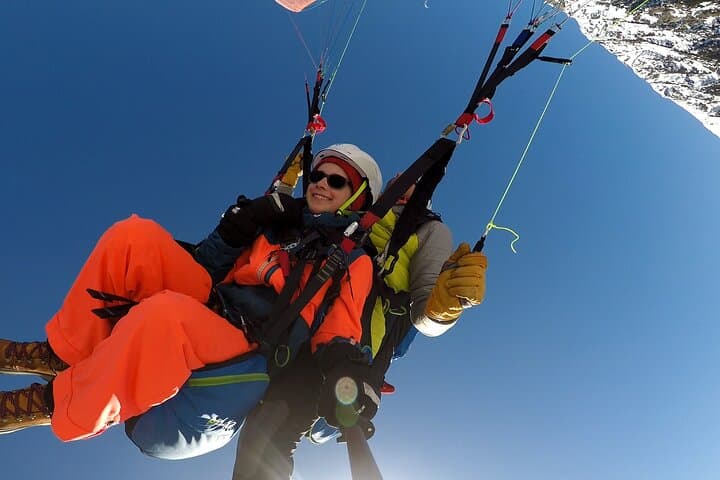
You step onto the sun-warmed grass above the Chamonix valley, wind already teasing the canopy as the massif fills the horizon. In seconds a certified pilot checks your harness, the glider catches a rising breath, and the valley drops away — Mont Blanc and its glaciers opening like a map beneath you.
You step onto the sun-warmed grass above the Chamonix valley, wind already teasing the canopy as the massif fills the horizon. In seconds a certified pilot checks your harness, the glider catches a rising breath, and the valley drops away — Mont Blanc and its glaciers opening like a map beneath you.
Chamonix’s relationship with high places goes back centuries: alpinists and early tourists arrived in the 18th and 19th centuries, and the town hosted the first Winter Olympics in 1924. Geologically the Mont Blanc massif is a granite behemoth carved by ice; the jagged ridges and broad glacier tongues you see from the air are direct evidence of longstanding glaciers that have sculpted the landscape.
Culturally, flights here feel local — guides are state-certified and often grew up with the mountains as their playground. Expect rapid weather changes: valley thermals can turn a calm float into a playful, dynamic flight for those who want a little adrenaline.
Practical guidance: flights are tandem, so no piloting skill is required, but operators will ask for weight, height and age during booking. Dress in layers and sturdy shoes for the short run on takeoff/landing slopes; a windproof jacket and sunglasses with a strap are essential. Flights typically last around 60 minutes; cancellations are common in high winds or low visibility, and operators prioritize safety. Bring a camera secured on a strap, arrive early to briefings, and listen closely to your pilot — they control the experience and the landing.
This is an accessible, high-adrenaline way to see one of Europe’s great alpine theaters, best approached with practical preparation and respect for mountain weather.