THE ADVENTURE COLLECTIVE® · Independent discovery and booking for outdoor travel

Float above steep limestone ridges and valley rivers on a two-hour tandem paragliding flight in the Austrian Alps. This guided experience pairs seasoned pilots with modern gear for scenic launches and prepared landings near Innsbruck.
Float above steep limestone ridges and valley rivers on a two-hour tandem paragliding flight in the Austrian Alps. This guided experience pairs seasoned pilots with modern gear for scenic launches and prepared landings near Innsbruck.
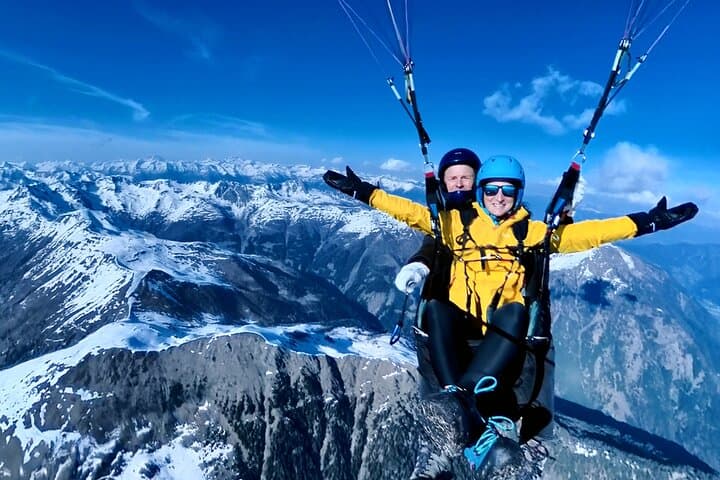
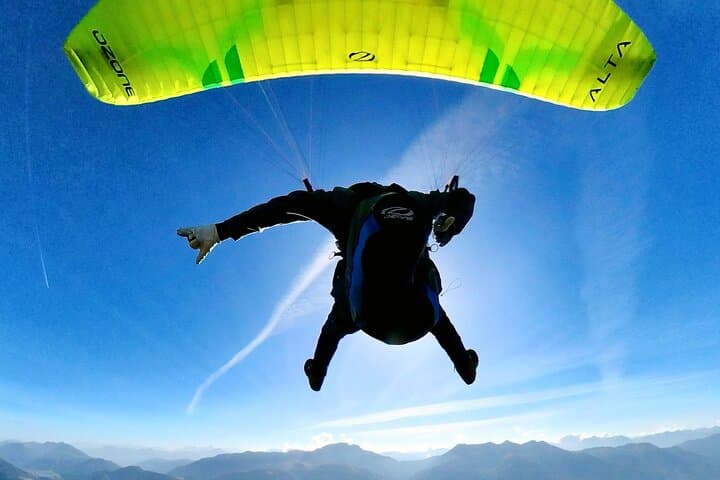
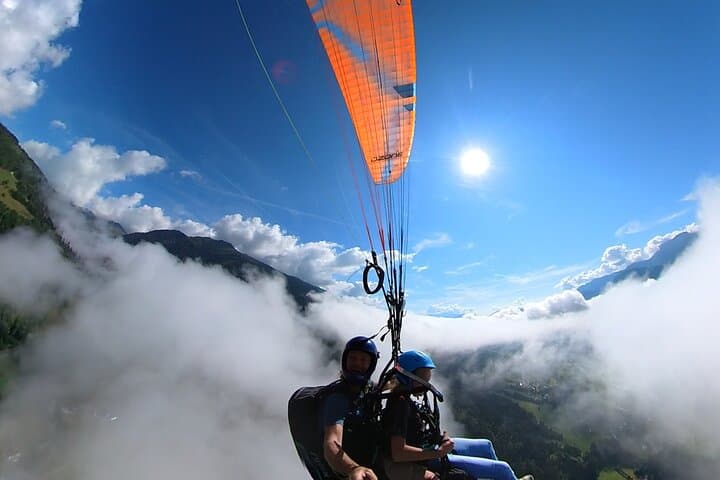
The ground falls away and the valley exhales beneath you — green pastures, serrated ridgelines, and a river threading the floor like a bright seam.
Verified experiences and guided adventures in the surrounding area.
Operated by FlyHigh Paragliding · Innsbruck, Tyrol
The ground falls away and the valley exhales beneath you — green pastures, serrated ridgelines, and a river threading the floor like a bright seam.
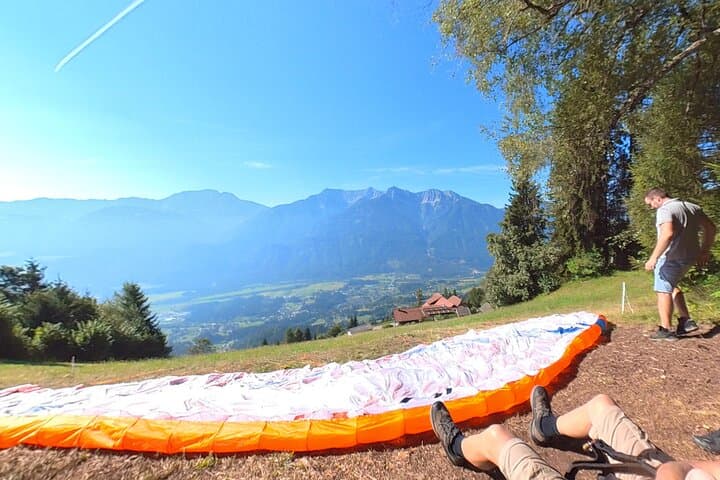
A two-hour tandem paragliding experience in the Austrian Alps begins on a sunlit takeoff slope after a focused safety briefing with a seasoned pilot. Flights in this region deliver wide alpine panoramas: steep limestone faces, glacial cirques higher up, and village roofs shrinking into a pattern of red and grey.
The Tyrolean Alps carry a long tradition of mountain aviation and climbing; local valleys supported early gliding experiments and now host experienced tandem pilots who pair modern gear with decades of local knowledge. Geologically, these ridges are part of the Northern Limestone Alps — abrupt, sculpted by ice and rain — which makes for dramatic lift conditions and thermals that can carry you gently or decisively, depending on the day.
Expect clear instructions, a harnessed forward seat beside the pilot, and a launch that is either a short walk to a ridge or a transfer to a launch point. Landings are on prepared fields; pilots coordinate with ground crew when available. Flights are weather-dependent — organizers cancel poor-weather flights for safety.
Practical guidance: arrive with photo ID, comfortable layers, and closed-toe shoes; leave loose scarves and unsecured cameras at home or use a wrist strap. Notify operators of health issues — this activity is not recommended for people with serious heart conditions. Morning sessions often deliver smoother air and clearer views. Bring a small daypack, hydrate, and allow time after landing to collect photos or a video montage if offered.
easy.
2 hours.
Minimal fitness required — able to run a few steps at takeoff and walk independently; not suitable for those who require walking aids
No — tandem flights are designed for first-timers; the pilot handles launch, flight, and landing.
Operators commonly accept participants up to about 85 years old who can walk independently; weight limits vary so check with the provider when booking.
Flights are canceled for unsafe wind or poor visibility and rescheduled or refunded per the operator's policy; it’s common to allow alternate dates.
Many operators offer an optional photo or video package taken by the pilot or ground crew for an extra fee.
The Tyrolean valleys supported early alpine aviation and a strong mountaineering culture, making them a longstanding center for paragliding and hang gliding.
Stick to designated launch and landing areas, avoid disturbing alpine vegetation, and follow operator guidance to minimize impact on wildlife and pastureland.
FlyHigh Paragliding operates guided outdoor trips and adventures with an emphasis on safety, stewardship, and memorable experiences.
The ground falls away and the valley exhales beneath you — green pastures, serrated ridgelines, and a river threading the floor like a bright seam.
The ground falls away and the valley exhales beneath you — green pastures, serrated ridgelines, and a river threading the floor like a bright seam.
A two-hour tandem paragliding experience in the Austrian Alps begins on a sunlit takeoff slope after a focused safety briefing with a seasoned pilot. Flights in this region deliver wide alpine panoramas: steep limestone faces, glacial cirques higher up, and village roofs shrinking into a pattern of red and grey.
The Tyrolean Alps carry a long tradition of mountain aviation and climbing; local valleys supported early gliding experiments and now host experienced tandem pilots who pair modern gear with decades of local knowledge. Geologically, these ridges are part of the Northern Limestone Alps — abrupt, sculpted by ice and rain — which makes for dramatic lift conditions and thermals that can carry you gently or decisively, depending on the day.
Expect clear instructions, a harnessed forward seat beside the pilot, and a launch that is either a short walk to a ridge or a transfer to a launch point. Landings are on prepared fields; pilots coordinate with ground crew when available. Flights are weather-dependent — organizers cancel poor-weather flights for safety.
Practical guidance: arrive with photo ID, comfortable layers, and closed-toe shoes; leave loose scarves and unsecured cameras at home or use a wrist strap. Notify operators of health issues — this activity is not recommended for people with serious heart conditions. Morning sessions often deliver smoother air and clearer views. Bring a small daypack, hydrate, and allow time after landing to collect photos or a video montage if offered.