THE ADVENTURE COLLECTIVE® · Independent discovery and booking for outdoor travel

Reach 2,000 feet above the Outer Banks on a tandem hang glider and see barrier islands shrink into ribbons of sand. This guided, USHPA-certified experience pairs a preflight orientation with a tow-to-altitude flight and free glide back to the field.
Reach 2,000 feet above the Outer Banks on a tandem hang glider and see barrier islands shrink into ribbons of sand. This guided, USHPA-certified experience pairs a preflight orientation with a tow-to-altitude flight and free glide back to the field.
You push through the wind and the field opens beneath you — grass runways, a trailer with a Kitty Hawk Kites sign, and the slow, steady thrum of the tow plane. In moments the glider is up on wheels, then pulled, and the shoreline shrinks until dunes and inlet channels look fragile from 2,000 feet.
Verified experiences and guided adventures in the surrounding area.
Operated by Kitty Hawk Kites · Grandy, North Carolina
You push through the wind and the field opens beneath you — grass runways, a trailer with a Kitty Hawk Kites sign, and the slow, steady thrum of the tow plane. In moments the glider is up on wheels, then pulled, and the shoreline shrinks until dunes and inlet channels look fragile from 2,000 feet.
This is where modern flight began: the Wright Brothers tested the atmosphere at Kitty Hawk a few miles south, and here the same Atlantic thermals that challenged early aviators now lift hang gliders. The Outer Banks are a barrier island chain carved by tides and storms; expect long curving beaches, marsh channels, and the dark humus of maritime forests when you look inland. Local culture remains tied to the sea — fishing, lightkeepers, and small coastal communities — and the landscape shifts with each season, nudging pilots and planners alike.
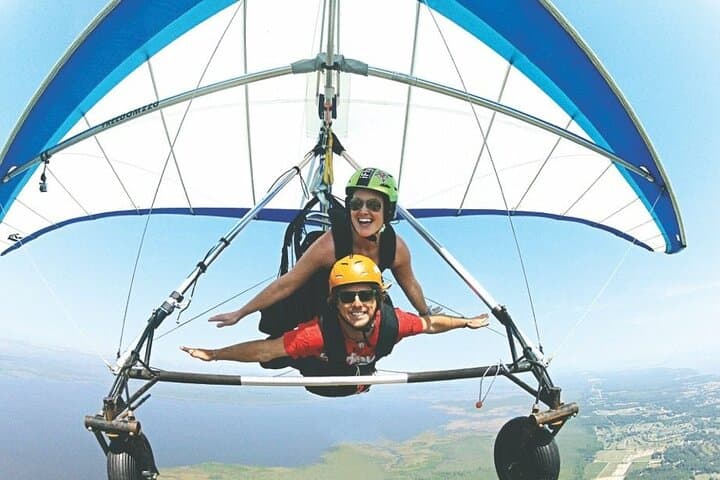
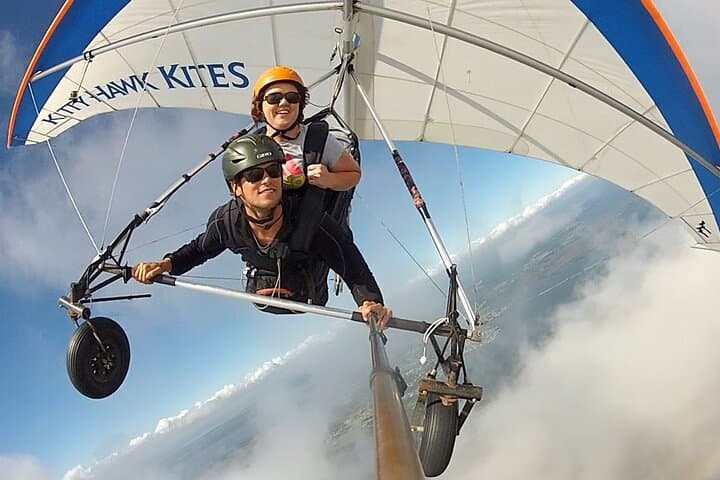
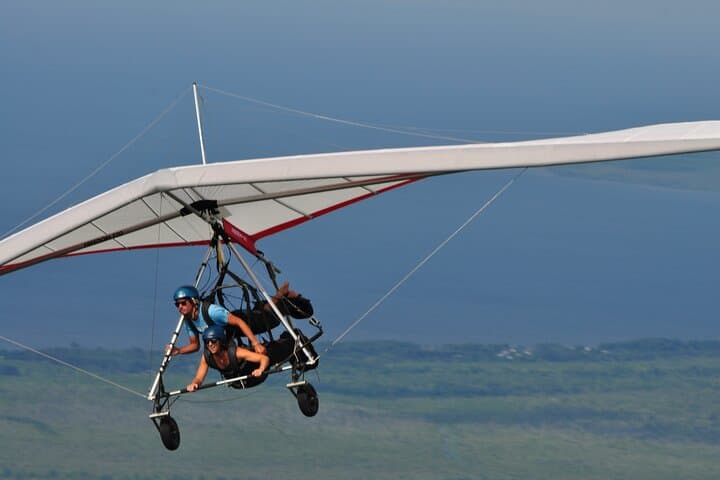
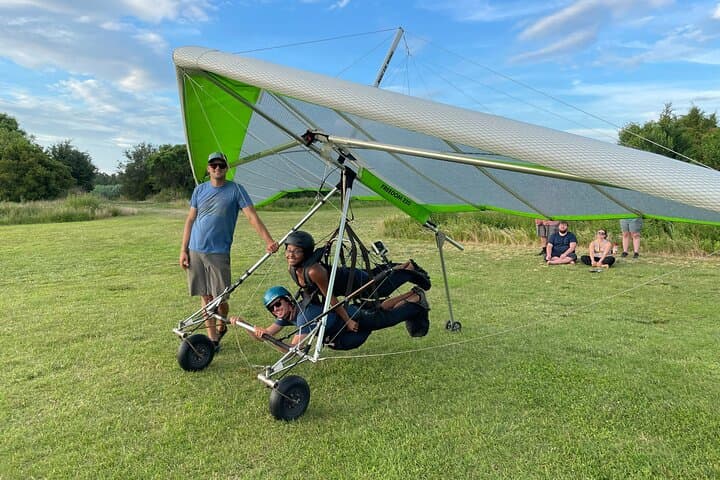
On a tandem flight you lie prone in a trapeze harness while a USHPA-certified instructor handles the wing. Flights begin with a preflight orientation, a golf-cart escort to the runway, a tow to altitude, and a release that converts the tow into pure glide back to the landing strip. Weather dictates the day: on offshore breeze days you’ll glide longer; on windy or rainy days flights are canceled.
Practical notes: arrive early to sign waivers, wear sturdy closed-toe shoes, secure sunglasses, and be prepared for a short run at takeoff. If you’re curious about flight controls, instructors let you try them in the air. Respect the fragile dunes and local wildlife — and be ready for one of the clearest aerial perspectives the Outer Banks offer.
moderate.
1 hour.
Basic mobility required—able to follow instructions and perform a short run/step at takeoff; not suitable for those with serious spinal or heart conditions.
Participants must be at least 14 years old and weigh no more than 225 lbs; a parent or guardian must sign for minors.
The booked activity block is about one hour, which includes check-in, preflight orientation, transport to the runway, and the tow-and-glide flight.
Flights are weather-dependent; tours are canceled in high winds or precipitation and you can cancel for a full refund up to 24 hours before your slot.
No prior flying experience is required; basic mobility is needed to follow instructions and participate in a short takeoff movement.
Flight here echoes the Wright Brothers’ experiments at Kitty Hawk; pilots still test winds the same way early aviators did.
The Outer Banks are fragile barrier islands — stick to marked access points, avoid dune trampling, and keep a safe distance from nesting birds to protect sensitive habitats.
Kitty Hawk Kites operates guided outdoor trips and adventures with an emphasis on safety, stewardship, and memorable experiences.
You push through the wind and the field opens beneath you — grass runways, a trailer with a Kitty Hawk Kites sign, and the slow, steady thrum of the tow plane. In moments the glider is up on wheels, then pulled, and the shoreline shrinks until dunes and inlet channels look fragile from 2,000 feet.
You push through the wind and the field opens beneath you — grass runways, a trailer with a Kitty Hawk Kites sign, and the slow, steady thrum of the tow plane. In moments the glider is up on wheels, then pulled, and the shoreline shrinks until dunes and inlet channels look fragile from 2,000 feet.
This is where modern flight began: the Wright Brothers tested the atmosphere at Kitty Hawk a few miles south, and here the same Atlantic thermals that challenged early aviators now lift hang gliders. The Outer Banks are a barrier island chain carved by tides and storms; expect long curving beaches, marsh channels, and the dark humus of maritime forests when you look inland. Local culture remains tied to the sea — fishing, lightkeepers, and small coastal communities — and the landscape shifts with each season, nudging pilots and planners alike.
On a tandem flight you lie prone in a trapeze harness while a USHPA-certified instructor handles the wing. Flights begin with a preflight orientation, a golf-cart escort to the runway, a tow to altitude, and a release that converts the tow into pure glide back to the landing strip. Weather dictates the day: on offshore breeze days you’ll glide longer; on windy or rainy days flights are canceled.
Practical notes: arrive early to sign waivers, wear sturdy closed-toe shoes, secure sunglasses, and be prepared for a short run at takeoff. If you’re curious about flight controls, instructors let you try them in the air. Respect the fragile dunes and local wildlife — and be ready for one of the clearest aerial perspectives the Outer Banks offer.