THE ADVENTURE COLLECTIVE® · Independent discovery and booking for outdoor travel

Spend a day moving from the rock-bound Tanah Lot to cliff-top Uluwatu, ending with the hypnotic Kecak dance at sunset. This private, skip-the-line tour pairs cultural depth with efficient logistics—perfect for travelers short on time.
Spend a day moving from the rock-bound Tanah Lot to cliff-top Uluwatu, ending with the hypnotic Kecak dance at sunset. This private, skip-the-line tour pairs cultural depth with efficient logistics—perfect for travelers short on time.
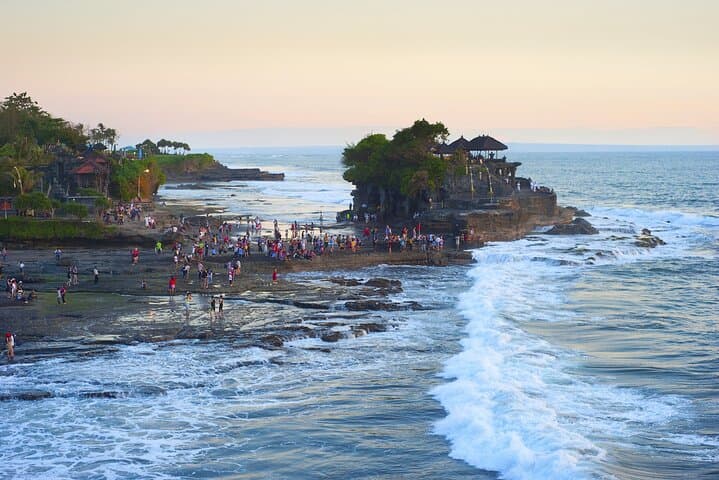
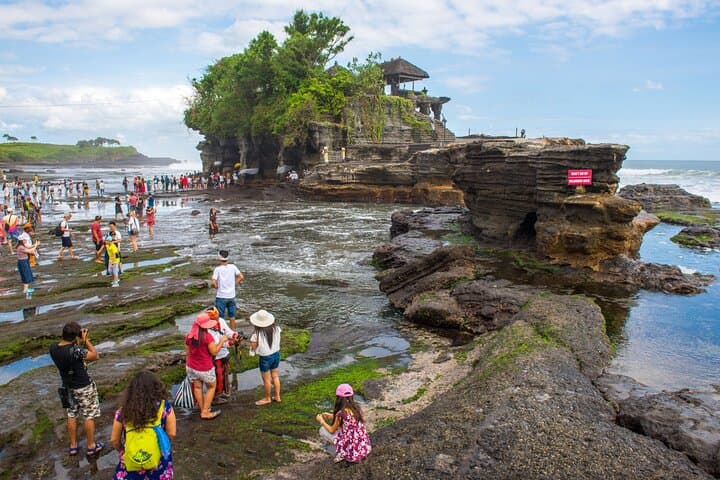
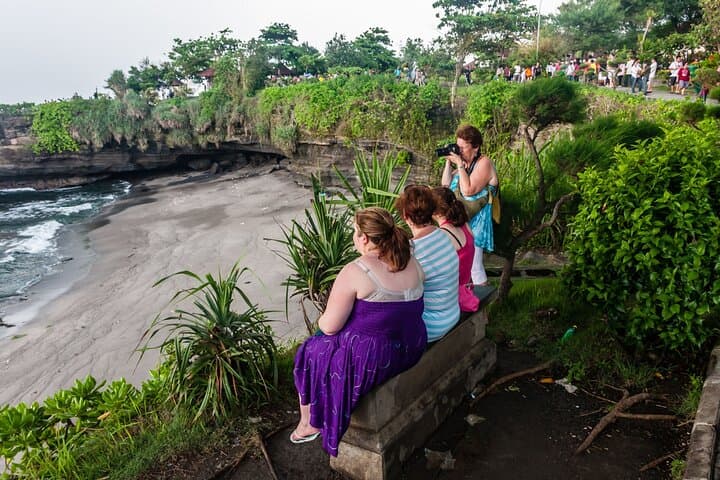
The driver eases away from the hotel as sunlight fattens over rice terraces; the road unfurls along Bali’s western flank toward the rock-bound silhouette of Tanah Lot. At the car park, the ocean’s breath smells of salt and surf—waves pulling at the base of the temple like a curious audience—and the first half of the day is a study in edges: black volcanic rock, white foam, and the centuries-old shrine that has watched tides carve a coastline into a stage.
Verified experiences and guided adventures in the surrounding area.
Operated by Bali 4U Tours · Tabanan, Bali
The driver eases away from the hotel as sunlight fattens over rice terraces; the road unfurls along Bali’s western flank toward the rock-bound silhouette of Tanah Lot. At the car park, the ocean’s breath smells of salt and surf—waves pulling at the base of the temple like a curious audience—and the first half of the day is a study in edges: black volcanic rock, white foam, and the centuries-old shrine that has watched tides carve a coastline into a stage.
Tanah Lot dates to at least the 16th century as a site for sea-deity worship. Its basalt outcrop sits where the reef resists the sea; depending on the tide, the temple appears to float. Geologically, the rock is young volcanic stuff layered with beach sand and coral—an ongoing conversation between land and ocean that gives the temple its dramatic foundation.
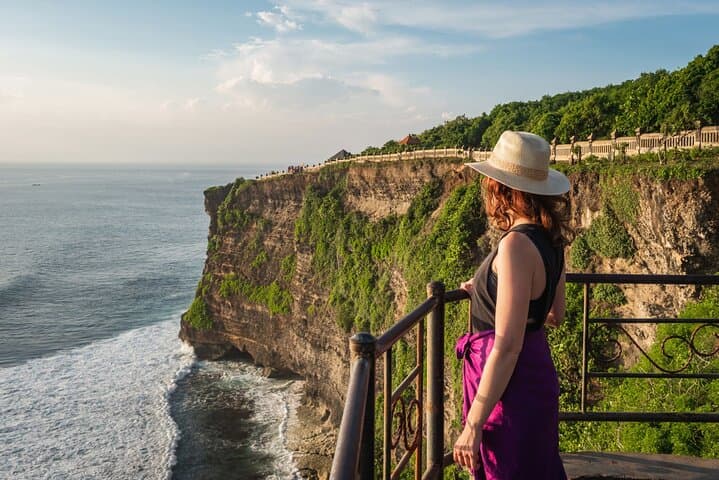
By afternoon the tour threads south toward the Bukit peninsula and Uluwatu, a temple poised 97 meters above the Indian Ocean. The cliffs here are older limestone, folded and worn into alcoves and caves. Monkeys patrol the path with a lazy proprietorship; they are as much a part of the visit as the architecture. Local Balinese culture animates both stops: ritual offerings, gate guardians carved into stone, and the evening crescendo—the Kecak dance. Hundreds of chanting men form the chorus around the fire while dancers re-enact Ramayana scenes; the soundscape pulses like a living drum, and the sunset slips into the ocean as if on cue.
For travelers, this private skip-the-line format compresses the logistics that often slow a day trip: admission, transport in an air-conditioned vehicle, an English-speaking guide who doubles as driver, and flexible pickup from major hotel areas.
Practicalities are simple but important. Dress respectfully for temple visits—bring a sarong or use the ones provided at entrances, and wear shoes suited for uneven stone and sand. Time your visit for late afternoon at Uluwatu to catch the Kecak performance at sunset; the show’s popularity means seats near the edge fill first, but a private tour’s entry helps avoid lines. Bring a small rain layer between November and March, when sudden tropical showers can cut through the evening. Hydrate: Bali’s heat is steady and the walkways at both temples expose you to the sun.
This itinerary is rewarding for anyone who wants architecture, ritual, and coastal geology on a single day. The rhythm—coastline in the morning, cliffs at dusk, drumlike chanting that ends the day—gives a clear arc to the experience: Bali’s landscape not only frames culture; it voices it.
easy.
8 hours.
Suitable for most fitness levels; expect short walks on uneven, sometimes steep temple steps.
The tour runs approximately 8 hours, usually mid-afternoon through sunset to accommodate the Kecak performance.
Yes—pickup and drop-off are provided from most hotels in Sanur, Ubud, Kuta/Legian, Seminyak, Canggu, Jimbaran, Nusa Dua, Benoa and Denpasar.
Yes; entry/admission fees are included and this tour provides skip-the-line access to the Kecak performance.
Yes; the tour notes stroller accessibility and is rated suitable for all fitness levels, but note the crowds and evening performance environment.
Monkeys can be aggressive or opportunistic—avoid feeding them, keep valuables secured, and follow guide instructions near cliff edges.
For a full refund, cancel at least 24 hours before the scheduled departure time; cancellations inside 24 hours are non-refundable.
Tanah Lot and Uluwatu are ancient Hindu sites with roots in island-wide temple networks; Uluwatu’s present structures date from centuries of coastal ritual tradition.
Both sites manage heavy visitor traffic—stick to marked paths, avoid single-use plastics, and respect offerings to reduce impact.
Bali 4U Tours operates guided outdoor trips and adventures with an emphasis on safety, stewardship, and memorable experiences.
The driver eases away from the hotel as sunlight fattens over rice terraces; the road unfurls along Bali’s western flank toward the rock-bound silhouette of Tanah Lot. At the car park, the ocean’s breath smells of salt and surf—waves pulling at the base of the temple like a curious audience—and the first half of the day is a study in edges: black volcanic rock, white foam, and the centuries-old shrine that has watched tides carve a coastline into a stage.
The driver eases away from the hotel as sunlight fattens over rice terraces; the road unfurls along Bali’s western flank toward the rock-bound silhouette of Tanah Lot. At the car park, the ocean’s breath smells of salt and surf—waves pulling at the base of the temple like a curious audience—and the first half of the day is a study in edges: black volcanic rock, white foam, and the centuries-old shrine that has watched tides carve a coastline into a stage.
Tanah Lot dates to at least the 16th century as a site for sea-deity worship. Its basalt outcrop sits where the reef resists the sea; depending on the tide, the temple appears to float. Geologically, the rock is young volcanic stuff layered with beach sand and coral—an ongoing conversation between land and ocean that gives the temple its dramatic foundation.
By afternoon the tour threads south toward the Bukit peninsula and Uluwatu, a temple poised 97 meters above the Indian Ocean. The cliffs here are older limestone, folded and worn into alcoves and caves. Monkeys patrol the path with a lazy proprietorship; they are as much a part of the visit as the architecture. Local Balinese culture animates both stops: ritual offerings, gate guardians carved into stone, and the evening crescendo—the Kecak dance. Hundreds of chanting men form the chorus around the fire while dancers re-enact Ramayana scenes; the soundscape pulses like a living drum, and the sunset slips into the ocean as if on cue.
For travelers, this private skip-the-line format compresses the logistics that often slow a day trip: admission, transport in an air-conditioned vehicle, an English-speaking guide who doubles as driver, and flexible pickup from major hotel areas.
Practicalities are simple but important. Dress respectfully for temple visits—bring a sarong or use the ones provided at entrances, and wear shoes suited for uneven stone and sand. Time your visit for late afternoon at Uluwatu to catch the Kecak performance at sunset; the show’s popularity means seats near the edge fill first, but a private tour’s entry helps avoid lines. Bring a small rain layer between November and March, when sudden tropical showers can cut through the evening. Hydrate: Bali’s heat is steady and the walkways at both temples expose you to the sun.
This itinerary is rewarding for anyone who wants architecture, ritual, and coastal geology on a single day. The rhythm—coastline in the morning, cliffs at dusk, drumlike chanting that ends the day—gives a clear arc to the experience: Bali’s landscape not only frames culture; it voices it.