THE ADVENTURE COLLECTIVE® · Independent discovery and booking for outdoor travel

Walk among 5,000 petroglyphs carved into canyon walls dating mostly to the Bronze Age. This full-day tour from Almaty pairs geology and cultural history with an accessible canyon walk and interpretive guide.
Walk among 5,000 petroglyphs carved into canyon walls dating mostly to the Bronze Age. This full-day tour from Almaty pairs geology and cultural history with an accessible canyon walk and interpretive guide.
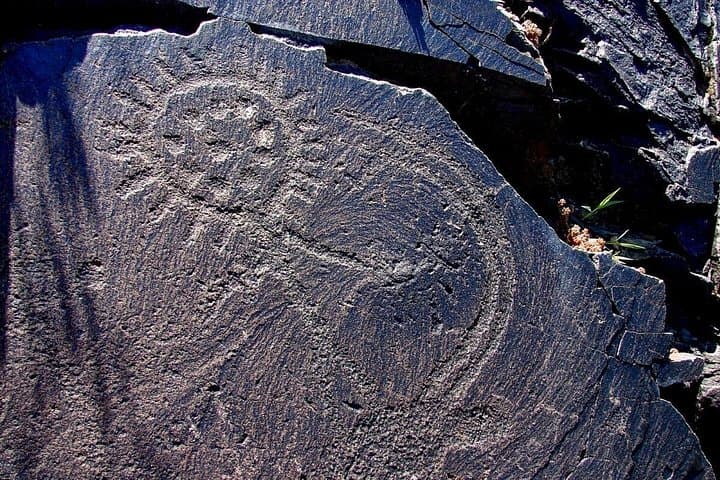
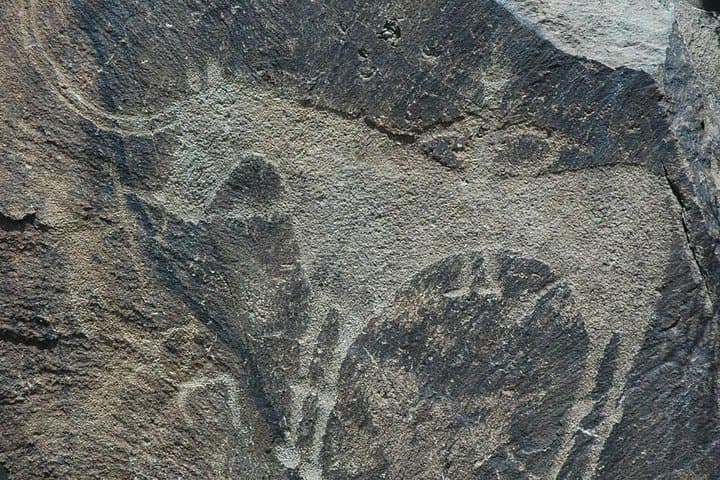
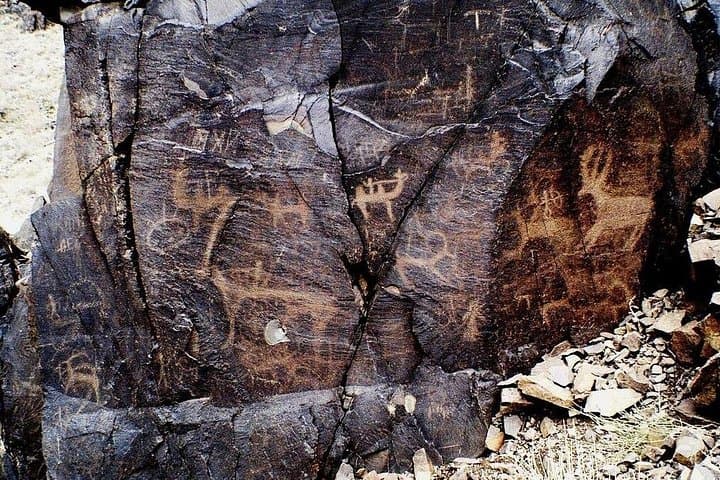
You arrive before the heat, the canyon rim cutting a clean line against the pale steppe. Wind pushes at the grass and the rock faces, and the carved figures—riders, ibex, sun motifs—seem to lean into the weather with a stubborn clarity. A day here feels like stepping into layered time: footprints of Bronze Age herders overlaid by later hands.
Verified experiences and guided adventures in the surrounding area.
Operated by Explore Kazakhstan · Tamgaly, Almaty Region
You arrive before the heat, the canyon rim cutting a clean line against the pale steppe. Wind pushes at the grass and the rock faces, and the carved figures—riders, ibex, sun motifs—seem to lean into the weather with a stubborn clarity. A day here feels like stepping into layered time: footprints of Bronze Age herders overlaid by later hands.
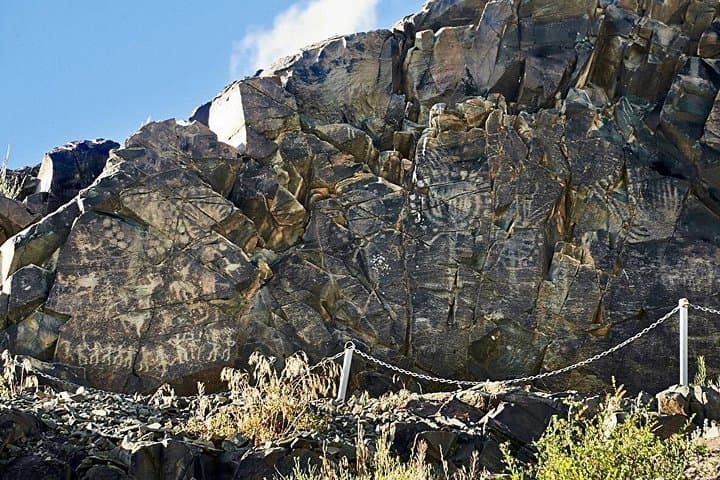
Tamgaly sits in the Zhetysu (Seven Rivers) region and was inscribed as a UNESCO World Heritage Site in 2004 for its concentration of roughly 5,000 petroglyphs across some 48 panels. The valley’s geology is compressed sedimentary rock and alluvial fans, which made relatively soft faces for generations of etchers. Culturally, the images link to the Saka/Scythian world—domesticated horses, ritual scenes and celestial symbols that suggest seasonal cycles and social identity.
Expect a mostly flat, interpretive walk through the main canyon and shorter side-canyon stops where clusters of engravings concentrate. Guides usually explain stylistic differences, from Bronze Age hunting scenes to later nomadic tamgas and taming figures. The site is exposed: sun and wind shape the visit as much as the rock.
Practical notes: tours from Almaty are full-day (10–12 hours) with lunch and bottled water provided; wear sturdy walking shoes, sun protection, and layers for wind. Photography is allowed but avoid touching the panels. Respecting the fragile patina of the carvings keeps this open to the next generation of visitors.
easy.
10–12 hours (including transport).
Suitable for most fitness levels; involves short, easy hikes on uneven terrain and long vehicle transfers
The round-trip from Almaty is typically 4–6 hours of driving total depending on route and traffic; the tour is a full-day excursion.
Most panels are accessible but guides ask visitors to keep a respectful distance and not touch the rock faces to protect the patina.
Yes—this is considered physically easy and suitable for families, though small children should be supervised near canyon edges.
Photography for personal use is allowed; avoid flash close-ups and do not use tripods where they might contact the rock.
Tamgaly’s engravings span from the Bronze Age—linked to Saka/Scythian pastoral cultures—through medieval times, showing continuous ritual and social expression across millennia.
The site’s fragile petroglyph patina is vulnerable to touch, graffiti and erosion; staying on worn paths and following guide instructions supports long-term preservation.
Explore Kazakhstan operates guided outdoor trips and adventures with an emphasis on safety, stewardship, and memorable experiences.
You arrive before the heat, the canyon rim cutting a clean line against the pale steppe. Wind pushes at the grass and the rock faces, and the carved figures—riders, ibex, sun motifs—seem to lean into the weather with a stubborn clarity. A day here feels like stepping into layered time: footprints of Bronze Age herders overlaid by later hands.
You arrive before the heat, the canyon rim cutting a clean line against the pale steppe. Wind pushes at the grass and the rock faces, and the carved figures—riders, ibex, sun motifs—seem to lean into the weather with a stubborn clarity. A day here feels like stepping into layered time: footprints of Bronze Age herders overlaid by later hands.
Tamgaly sits in the Zhetysu (Seven Rivers) region and was inscribed as a UNESCO World Heritage Site in 2004 for its concentration of roughly 5,000 petroglyphs across some 48 panels. The valley’s geology is compressed sedimentary rock and alluvial fans, which made relatively soft faces for generations of etchers. Culturally, the images link to the Saka/Scythian world—domesticated horses, ritual scenes and celestial symbols that suggest seasonal cycles and social identity.
Expect a mostly flat, interpretive walk through the main canyon and shorter side-canyon stops where clusters of engravings concentrate. Guides usually explain stylistic differences, from Bronze Age hunting scenes to later nomadic tamgas and taming figures. The site is exposed: sun and wind shape the visit as much as the rock.
Practical notes: tours from Almaty are full-day (10–12 hours) with lunch and bottled water provided; wear sturdy walking shoes, sun protection, and layers for wind. Photography is allowed but avoid touching the panels. Respecting the fragile patina of the carvings keeps this open to the next generation of visitors.