THE ADVENTURE COLLECTIVE® · Independent discovery and booking for outdoor travel

Watch sunset from a Scenic Rim lookout, savor a BBQ dinner on a picnic blanket, then peer through a premium telescope to see moon craters, planets and galaxies. This two-hour Tamborine Mountain evening blends easy outdoor dining with guided stargazing.
Watch sunset from a Scenic Rim lookout, savor a BBQ dinner on a picnic blanket, then peer through a premium telescope to see moon craters, planets and galaxies. This two-hour Tamborine Mountain evening blends easy outdoor dining with guided stargazing.
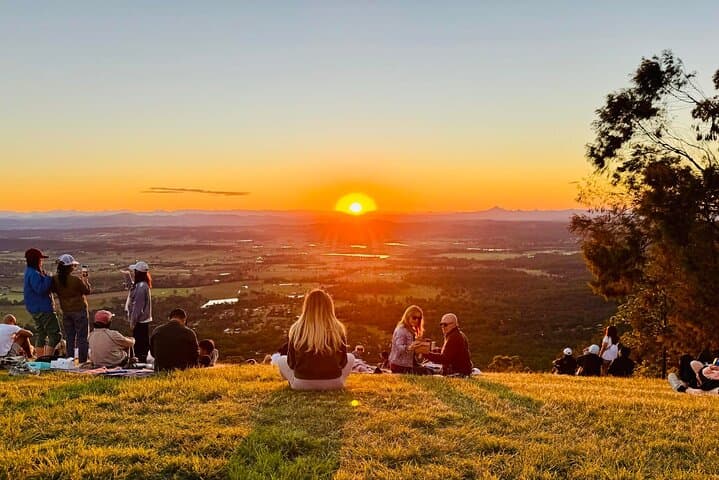
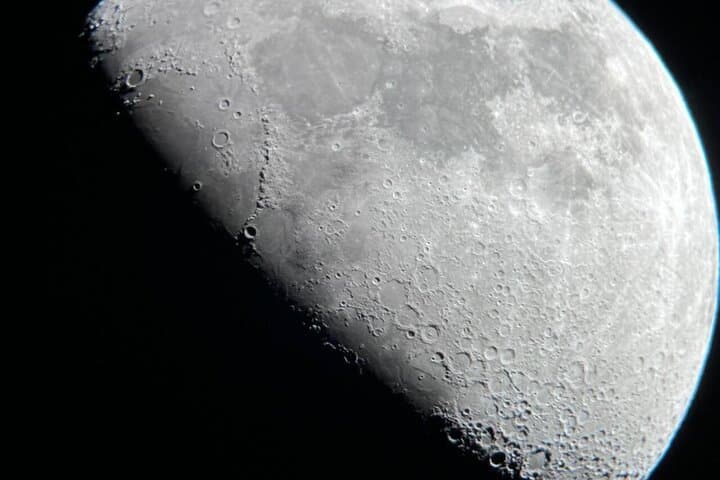
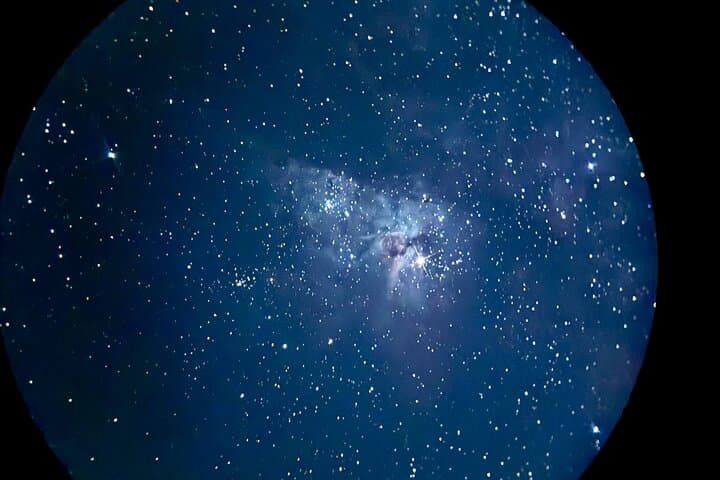
The ridge cools as the sun slips behind the Scenic Rim and the lookout on Tamborine Mountain fills with people drawn to the horizon. Guides lay out picnic blankets, the scent of charcoal from a BBQ drifts through eucalypt air, and the first pale planets begin to appear. As darkness deepens a powerful telescope becomes the evening’s focus—moon craters sharpen, Jupiter’s bands resolve, and distant galaxies appear as soft, ghostly smudges.
Verified experiences and guided adventures in the surrounding area.
Operated by Aussie explorations · Tamborine Mountain, Queensland
The ridge cools as the sun slips behind the Scenic Rim and the lookout on Tamborine Mountain fills with people drawn to the horizon. Guides lay out picnic blankets, the scent of charcoal from a BBQ drifts through eucalypt air, and the first pale planets begin to appear. As darkness deepens a powerful telescope becomes the evening’s focus—moon craters sharpen, Jupiter’s bands resolve, and distant galaxies appear as soft, ghostly smudges.
Tamborine Mountain sits on an ancient lava flow from the eroded Tweed Volcano, a plateau of basalt that offers clear, elevated views across the South East Queensland coast. The area is part of the traditional lands of the Yugambeh-speaking people; the mountain’s rainforests and walking tracks reflect a long human connection to these highlands. Locally, stargazing has grown as a low-impact way to experience the night, pairing informal astronomy with simple outdoor dining.
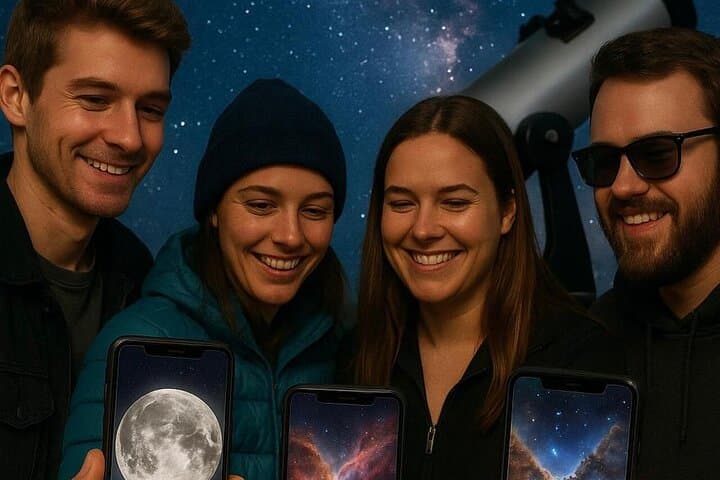
Expect a relaxed two-hour outing: sunset viewing from a lookout followed by guided telescope sessions. Guides typically point out constellations, planets, and lunar features while letting guests try astrophotography through the eyepiece using a phone. The site is exposed to weather—clear, moonless nights give the best views; even with light cloud the Moon and bright planets remain visible.
Practical tips: bring warm layers for after sunset, sturdy footwear for uneven lookouts, and a flashlight with a red filter to preserve night vision. Hydrate beforehand and charge your phone if you plan to capture images through the telescope. Wheelchair access and stroller-friendly areas are usually available, but check with the operator for exact meeting locations and accessibility details.
easy.
2 hours.
Suitable for all fitness levels—requires minimal walking and standing on uneven lookout surfaces
The outing runs about two hours: sunset viewing followed by guided telescope sessions.
Yes—physical demands are low; paths are typically stroller- and wheelchair-friendly, but confirm exact site accessibility with the operator.
Depending on the night: the Moon’s craters, Jupiter and its moons, Saturn’s rings when visible, bright nebulae or galaxies under dark skies, and notable planets.
Operators often cancel or reschedule if clouds or rain obstruct views; check cancellation policies and weather-dependent notifications before booking.
Tamborine Mountain is part of the eroded caldera formed by volcanic activity associated with the ancient Tweed Volcano and has long-standing cultural ties to the Yugambeh people.
Stargazing is low-impact tourism here; visitors are encouraged to minimize light pollution by using red lights and to follow leave-no-trace practices in picnic areas.
Aussie explorations operates guided outdoor trips and adventures with an emphasis on safety, stewardship, and memorable experiences.
The ridge cools as the sun slips behind the Scenic Rim and the lookout on Tamborine Mountain fills with people drawn to the horizon. Guides lay out picnic blankets, the scent of charcoal from a BBQ drifts through eucalypt air, and the first pale planets begin to appear. As darkness deepens a powerful telescope becomes the evening’s focus—moon craters sharpen, Jupiter’s bands resolve, and distant galaxies appear as soft, ghostly smudges.
The ridge cools as the sun slips behind the Scenic Rim and the lookout on Tamborine Mountain fills with people drawn to the horizon. Guides lay out picnic blankets, the scent of charcoal from a BBQ drifts through eucalypt air, and the first pale planets begin to appear. As darkness deepens a powerful telescope becomes the evening’s focus—moon craters sharpen, Jupiter’s bands resolve, and distant galaxies appear as soft, ghostly smudges.
Tamborine Mountain sits on an ancient lava flow from the eroded Tweed Volcano, a plateau of basalt that offers clear, elevated views across the South East Queensland coast. The area is part of the traditional lands of the Yugambeh-speaking people; the mountain’s rainforests and walking tracks reflect a long human connection to these highlands. Locally, stargazing has grown as a low-impact way to experience the night, pairing informal astronomy with simple outdoor dining.
Expect a relaxed two-hour outing: sunset viewing from a lookout followed by guided telescope sessions. Guides typically point out constellations, planets, and lunar features while letting guests try astrophotography through the eyepiece using a phone. The site is exposed to weather—clear, moonless nights give the best views; even with light cloud the Moon and bright planets remain visible.
Practical tips: bring warm layers for after sunset, sturdy footwear for uneven lookouts, and a flashlight with a red filter to preserve night vision. Hydrate beforehand and charge your phone if you plan to capture images through the telescope. Wheelchair access and stroller-friendly areas are usually available, but check with the operator for exact meeting locations and accessibility details.