THE ADVENTURE COLLECTIVE® · Independent discovery and booking for outdoor travel

Five days in Tambopata deliver clay-lick spectacles, dawn canoe trips on Sandoval Lake, and guided walks into primary jungle. This guided itinerary balances up-close wildlife viewing with cultural visits and sustainable-forest experiences.
Five days in Tambopata deliver clay-lick spectacles, dawn canoe trips on Sandoval Lake, and guided walks into primary jungle. This guided itinerary balances up-close wildlife viewing with cultural visits and sustainable-forest experiences.
The first motorized boat ride out of Puerto Maldonado pushes through a slow, brown river that seems to be carrying the jungle’s breath downstream. On arrival at the lodge, humidity and insect song announce the conditions: dense green walls, call-and-response macaws, and the occasional rustle where a capybara slips into a tributary. Nightfall here sharpens the senses—frogs call, insects hum, and moths drift like living flags.
Verified experiences and guided adventures in the surrounding area.
Operated by Machu Picchu Amazon Peru · Puerto Maldonado, Madre de Dios
The first motorized boat ride out of Puerto Maldonado pushes through a slow, brown river that seems to be carrying the jungle’s breath downstream. On arrival at the lodge, humidity and insect song announce the conditions: dense green walls, call-and-response macaws, and the occasional rustle where a capybara slips into a tributary. Nightfall here sharpens the senses—frogs call, insects hum, and moths drift like living flags.
Tambopata’s lowland rainforest sits on ancient alluvial soils fed by the Madre de Dios River; its ecology reflects riverine dynamics rather than dramatic geology. The reserve protects corridors used by migratory macaws, giant otters, peccaries, and tapirs, and it overlaps traditional territories of indigenous groups such as the Ese Eja. The region’s more recent history includes extractive booms—rubber and gold—that shaped settlement patterns, and today conservation and sustainable Brazil-nut harvesting are central to local livelihoods.
Over five days visitors can expect dawn clay lick viewings, canopy tower panoramas, canoe trips on Sandoval Lake, mammal clay lick hikes, and community visits—each activity emphasizing quiet observation and guided interpretation. Wildlife sightings are never guaranteed; success here mixes patience, early starts, and luck.
Practical guidance: bring quick-dry clothing, a lightweight rain jacket, and reliable footwear; pack insect repellent and a headlamp; hydrate often and follow guide briefings about river transport and wildlife etiquette. Early mornings and late afternoons are prime wildlife windows; keep noise low and cameras ready.
moderate.
5 days.
Participants should have a moderate level of fitness—capable of 30–60 minute jungle hikes, boarding small boats, and navigating uneven trails.
Yellow fever vaccination is strongly recommended and sometimes required; consult a travel clinic for updates on immunizations and malaria prevention.
Giant otters are commonly seen on Sandoval Lake at dawn; jaguar sightings are rare and unpredictable—guides may report occasional signs or sightings but they are not guaranteed.
Soft-sided bags are preferred for boat and lodge transfers; large suitcases can be left at the operator’s office in Puerto Maldonado if needed.
Most jungle lodges have limited electricity (often generator hours) and spotty or no Wi‑Fi—expect basic comforts and limited connectivity.
Tambopata’s landscape was shaped by riverine sedimentation and later by human waves during the rubber and gold booms; indigenous communities have long managed forest resources here.
Tambopata National Reserve and community-based initiatives prioritize sustainable Brazil-nut harvesting and low-impact ecotourism; visitors should minimize plastic waste and follow leave-no-trace guidance.
Machu Picchu Amazon Peru operates guided outdoor trips and adventures with an emphasis on safety, stewardship, and memorable experiences.
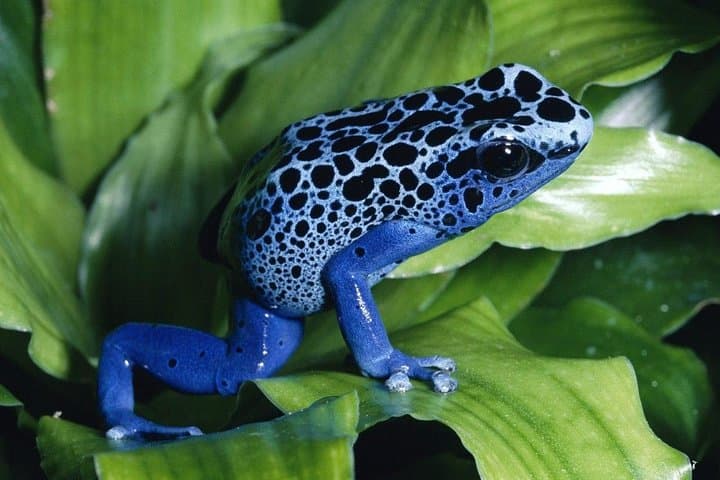
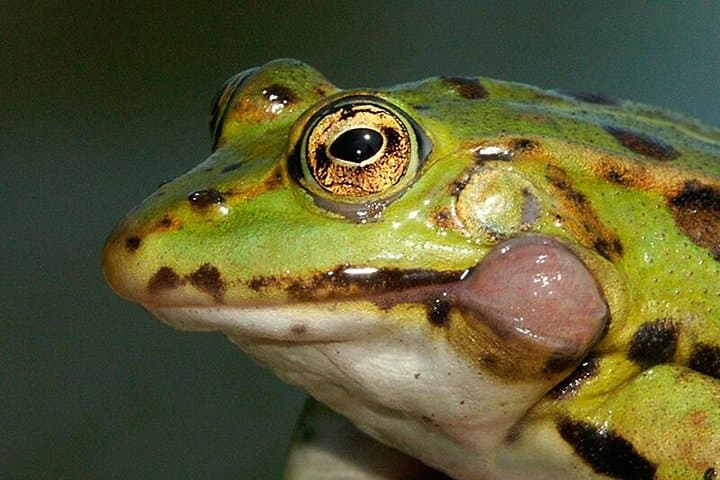
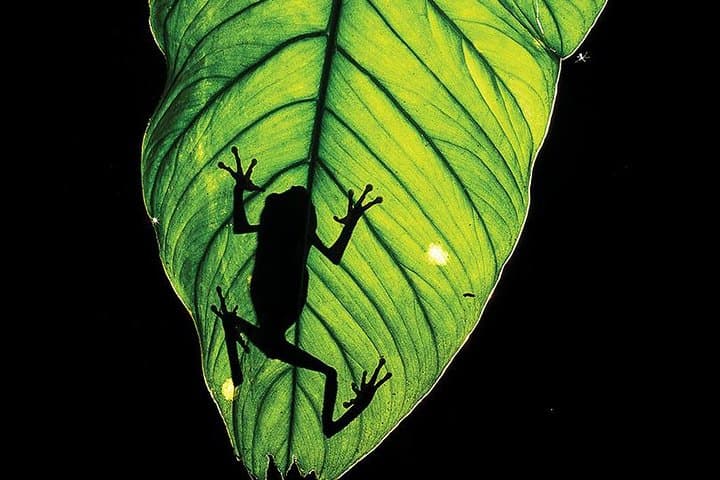
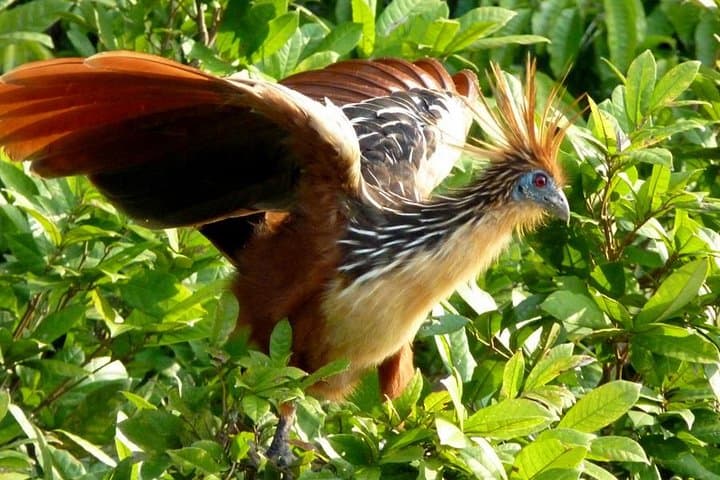
The first motorized boat ride out of Puerto Maldonado pushes through a slow, brown river that seems to be carrying the jungle’s breath downstream. On arrival at the lodge, humidity and insect song announce the conditions: dense green walls, call-and-response macaws, and the occasional rustle where a capybara slips into a tributary. Nightfall here sharpens the senses—frogs call, insects hum, and moths drift like living flags.
The first motorized boat ride out of Puerto Maldonado pushes through a slow, brown river that seems to be carrying the jungle’s breath downstream. On arrival at the lodge, humidity and insect song announce the conditions: dense green walls, call-and-response macaws, and the occasional rustle where a capybara slips into a tributary. Nightfall here sharpens the senses—frogs call, insects hum, and moths drift like living flags.
Tambopata’s lowland rainforest sits on ancient alluvial soils fed by the Madre de Dios River; its ecology reflects riverine dynamics rather than dramatic geology. The reserve protects corridors used by migratory macaws, giant otters, peccaries, and tapirs, and it overlaps traditional territories of indigenous groups such as the Ese Eja. The region’s more recent history includes extractive booms—rubber and gold—that shaped settlement patterns, and today conservation and sustainable Brazil-nut harvesting are central to local livelihoods.
Over five days visitors can expect dawn clay lick viewings, canopy tower panoramas, canoe trips on Sandoval Lake, mammal clay lick hikes, and community visits—each activity emphasizing quiet observation and guided interpretation. Wildlife sightings are never guaranteed; success here mixes patience, early starts, and luck.
Practical guidance: bring quick-dry clothing, a lightweight rain jacket, and reliable footwear; pack insect repellent and a headlamp; hydrate often and follow guide briefings about river transport and wildlife etiquette. Early mornings and late afternoons are prime wildlife windows; keep noise low and cameras ready.