THE ADVENTURE COLLECTIVE® · Independent discovery and booking for outdoor travel

A compact shore-excursion to Tambo Colorado brings you face-to-face with red adobe walls, trapezoidal Inka architecture, and a small site museum—reachable in about an hour from Pisco or Paracas. This guide covers what to expect on the visit and how to prepare for the desert coastal sun.
A compact shore-excursion to Tambo Colorado brings you face-to-face with red adobe walls, trapezoidal Inka architecture, and a small site museum—reachable in about an hour from Pisco or Paracas. This guide covers what to expect on the visit and how to prepare for the desert coastal sun.
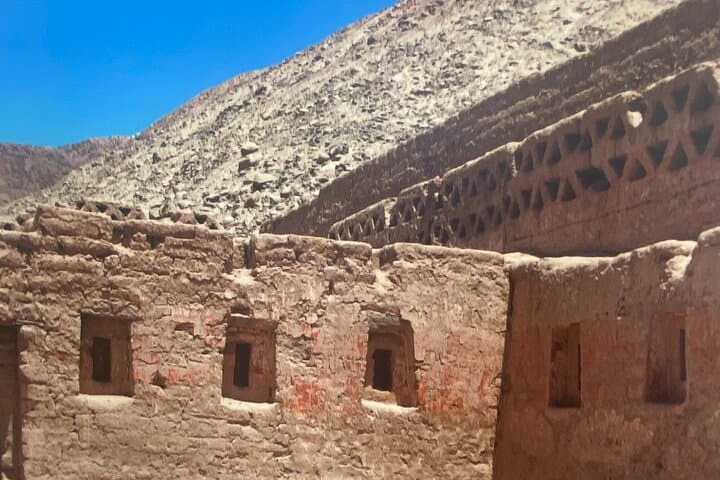
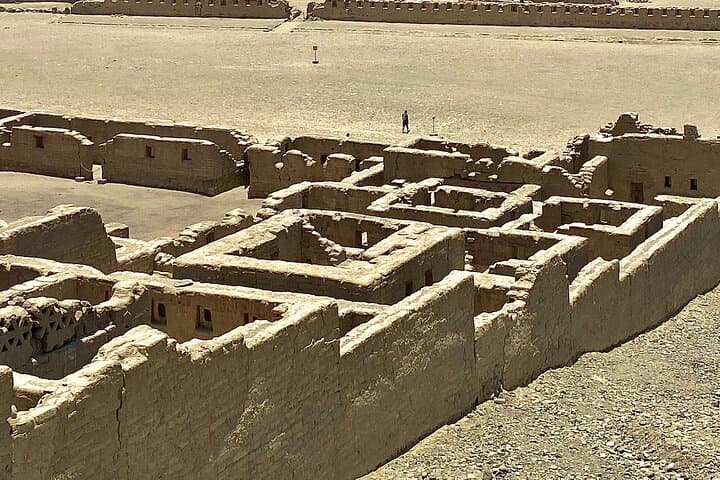
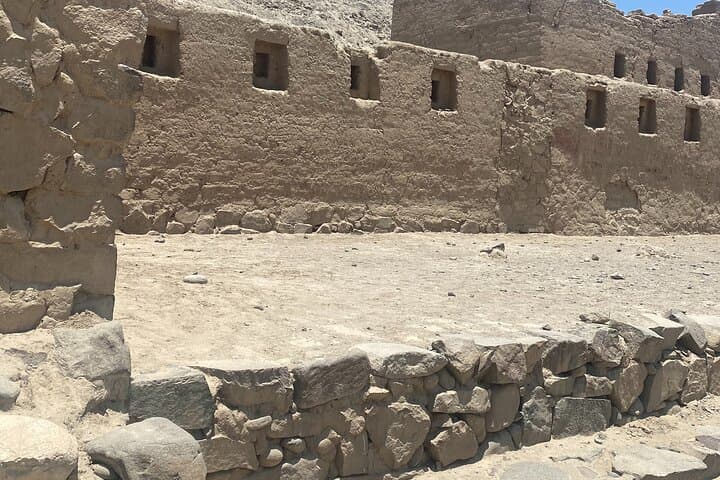
You step off the ship at San Martín harbor and the desert wind meets you—dry, warm, and a little sharp—pushing sand across the road as the coach heads inland. After an hour’s drive from Pisco, the adobe walls of Tambo Colorado rise from the ochre plain: weathered red plaster, trapezoidal windows, and a broad ceremonial plaza that once organized food, labor and administration for the Inka on the southern coast.
Verified experiences and guided adventures in the surrounding area.
Operated by Grand America · Pisco, Ica
You step off the ship at San Martín harbor and the desert wind meets you—dry, warm, and a little sharp—pushing sand across the road as the coach heads inland. After an hour’s drive from Pisco, the adobe walls of Tambo Colorado rise from the ochre plain: weathered red plaster, trapezoidal windows, and a broad ceremonial plaza that once organized food, labor and administration for the Inka on the southern coast.
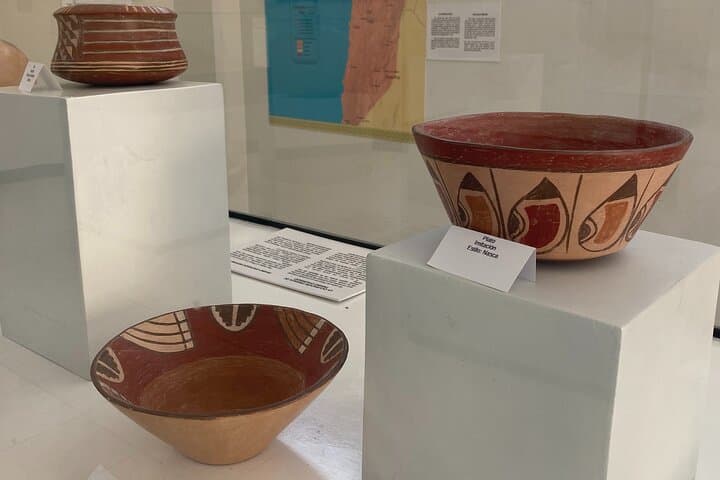
Tambo Colorado (Puca Llaqta, “red town”) is an uncommon coastal Inka site built largely of adobe rather than stone, its painted walls a rare survival of pre-Columbian coastal architecture. The layout reflects Inka administrative planning—storehouses, plazas, and trapezoidal doors—set on a flat shelf above the Pisco valley and within sight of the Pacific. A small on-site museum gathers the ceramics and finds that explain daily and ritual life here.
Expect firm, flat walking on compacted earth and low steps through ruins; the ascent is minimal but sun exposure is constant. Guides translate architectural details into context—why red pigment mattered, how trapezoidal shapes resisted earthquakes, and how coastal Inka networks tied to maritime resources.
Practical side: bring sun protection, a sturdy pair of shoes, and your passport for cruise logistics. Tours commonly include bottled water, round-trip port transfers, and a guide; the visit takes about an hour on-site within a 3–4 hour shore excursion. Morning departures avoid the hottest light and marine fog; photography is excellent in the soft late-afternoon glow. For travelers curious about pre-Hispanic coastal life, Tambo Colorado is a compact, accessible window into Inka administration away from the highlands.
easy.
3–4 hours.
Suitable for most fitness levels; involves light walking on flat, uneven ground and short steps
Typical shore excursions run 3–4 hours total with about 45–60 minutes spent touring the archaeological site and its museum.
Yes—walking is short and not steep, but children should be supervised around low walls and older travelers should be comfortable on uneven ground.
Tours usually include admission and bottled water; bring minimal cash for souvenirs and your printed/electronic ticket and passport for cruise pickups.
Basic facilities are typically available near the visitor area, but expect limited amenities—use restrooms at the port or in Paracas before transfer if needed.
Tambo Colorado was an administrative Inka center on the southern Peruvian coast; built mostly of adobe and painted red, it organized storage and ceremonial life for the region.
Adobe architecture is vulnerable to erosion and humidity; visitors are asked to stay on paths and avoid touching painted surfaces to help preserve fragile plaster and pigments.
Grand America operates guided outdoor trips and adventures with an emphasis on safety, stewardship, and memorable experiences.
You step off the ship at San Martín harbor and the desert wind meets you—dry, warm, and a little sharp—pushing sand across the road as the coach heads inland. After an hour’s drive from Pisco, the adobe walls of Tambo Colorado rise from the ochre plain: weathered red plaster, trapezoidal windows, and a broad ceremonial plaza that once organized food, labor and administration for the Inka on the southern coast.
You step off the ship at San Martín harbor and the desert wind meets you—dry, warm, and a little sharp—pushing sand across the road as the coach heads inland. After an hour’s drive from Pisco, the adobe walls of Tambo Colorado rise from the ochre plain: weathered red plaster, trapezoidal windows, and a broad ceremonial plaza that once organized food, labor and administration for the Inka on the southern coast.
Tambo Colorado (Puca Llaqta, “red town”) is an uncommon coastal Inka site built largely of adobe rather than stone, its painted walls a rare survival of pre-Columbian coastal architecture. The layout reflects Inka administrative planning—storehouses, plazas, and trapezoidal doors—set on a flat shelf above the Pisco valley and within sight of the Pacific. A small on-site museum gathers the ceramics and finds that explain daily and ritual life here.
Expect firm, flat walking on compacted earth and low steps through ruins; the ascent is minimal but sun exposure is constant. Guides translate architectural details into context—why red pigment mattered, how trapezoidal shapes resisted earthquakes, and how coastal Inka networks tied to maritime resources.
Practical side: bring sun protection, a sturdy pair of shoes, and your passport for cruise logistics. Tours commonly include bottled water, round-trip port transfers, and a guide; the visit takes about an hour on-site within a 3–4 hour shore excursion. Morning departures avoid the hottest light and marine fog; photography is excellent in the soft late-afternoon glow. For travelers curious about pre-Hispanic coastal life, Tambo Colorado is a compact, accessible window into Inka administration away from the highlands.