THE ADVENTURE COLLECTIVE® · Independent discovery and booking for outdoor travel

A technical 5–6 hour canyoning descent through Tamata’s waterfalls and jungle, guided by ICOpro instructors. Expect multiple rappels, swims, rice‑field approaches and a motorbike return to Ubud.
A technical 5–6 hour canyoning descent through Tamata’s waterfalls and jungle, guided by ICOpro instructors. Expect multiple rappels, swims, rice‑field approaches and a motorbike return to Ubud.
You step off a narrow village lane and the jungle closes in — humid air heavy with fern and river stone. The Tamata canyon cuts a raw line through central Bali: steep basalt walls, carved plunge pools and a sequence of waterfalls that demand you move, rope and read the water.
Verified experiences and guided adventures in the surrounding area.
Operated by Wandernesia · Ubud, Bali
You step off a narrow village lane and the jungle closes in — humid air heavy with fern and river stone. The Tamata canyon cuts a raw line through central Bali: steep basalt walls, carved plunge pools and a sequence of waterfalls that demand you move, rope and read the water.
Geology here is recent volcanic work and fast-moving streams; the canyon’s stepped drops and smooth bedrock are the product of rain-fed erosion on young lava flows. Culturally this region sits in the shadow of Bali’s rice terraces and Hindu temples, so guides often weave local stories and ritual respect for water into the descent.
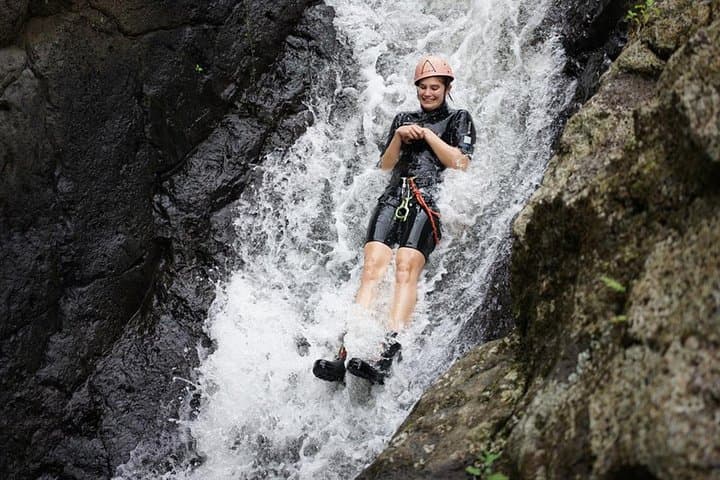
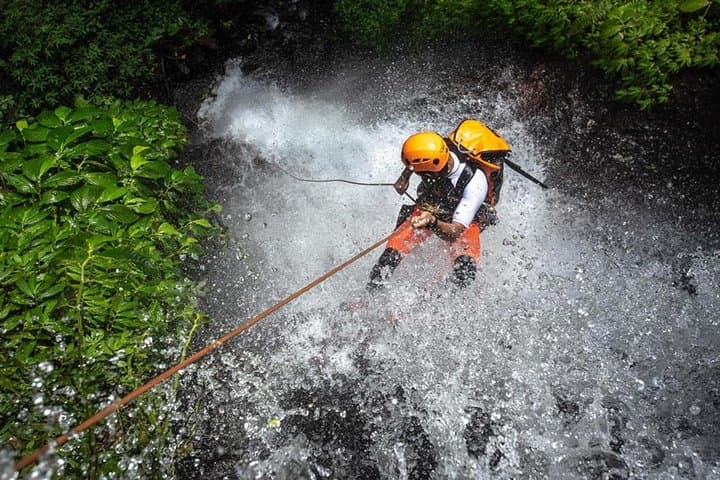
On this 5–6 hour guided descent expect jungle trekking, multiple rappels through curtains of falling water, short swims, and rice-field vistas on approach. Instructors provide CE-standard canyon gear and an ICOpro initiation, so beginners with solid fitness can learn on the route; experienced canyoneers will appreciate the technical rappels and tight slots.
Practical notes: wear a snug wetsuit or swimsuit under your harness, grippy canyon shoes or old approach shoes, and a helmet; bring a small drybag for essentials and a water bottle. The route is best in Bali’s drier months when flows are stable — high rains make rappels technical and slippery. Transfers are typically included from Ubud-area accommodations, and the memorable motorbike return adds local flavor.
This canyon is tactical and sensory at once: the river dares you forward, the current sets the rhythm, and each waterfall delivers a small, earned view of Bali’s raw interior.
challenging.
5–6 hours.
Good aerobic fitness and leg strength — comfortable with moderate scrambling and repeated rappels.
No — ICOpro instructors include an initiation and will teach basic rappelling techniques, but you should be comfortable with heights and following technical instructions.
Yes, expect short swims and wading; strong currents are not typical during dry months but basic swimming ability is necessary.
Limits vary by operator; bookings usually ask for age and weight to size gear and ensure safety — disclose true measurements during booking.
Most packages include return transfers from Ubud-area hotels; the trip often finishes with a motorbike return over local roads for a quick, scenic ride back.
The canyon sits within Bali’s agrarian heart; nearby villages have farmed the river terraces for generations and local guides often relate water-related rites tied to crops.
Stay on established access routes, carry out all trash and avoid disturbing streambanks; heavy groups and repeated use can accelerate erosion in narrow canyons.
Wandernesia operates guided outdoor trips and adventures with an emphasis on safety, stewardship, and memorable experiences.
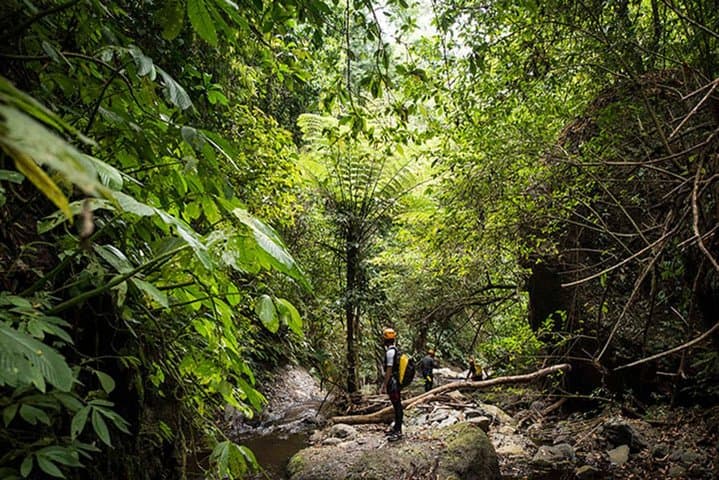
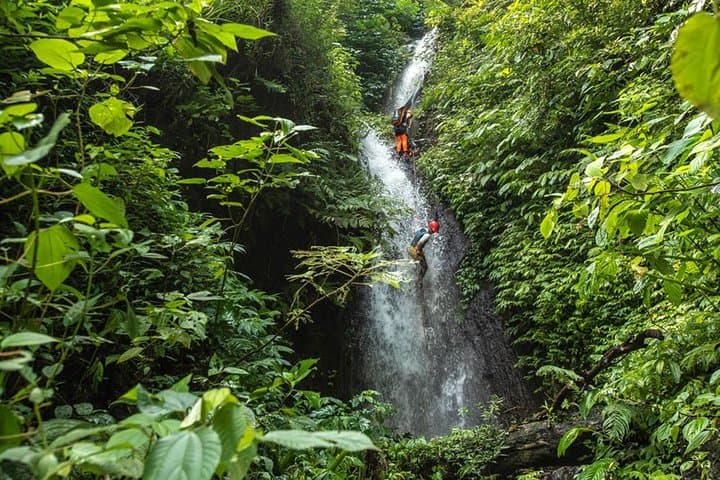
You step off a narrow village lane and the jungle closes in — humid air heavy with fern and river stone. The Tamata canyon cuts a raw line through central Bali: steep basalt walls, carved plunge pools and a sequence of waterfalls that demand you move, rope and read the water.
You step off a narrow village lane and the jungle closes in — humid air heavy with fern and river stone. The Tamata canyon cuts a raw line through central Bali: steep basalt walls, carved plunge pools and a sequence of waterfalls that demand you move, rope and read the water.
Geology here is recent volcanic work and fast-moving streams; the canyon’s stepped drops and smooth bedrock are the product of rain-fed erosion on young lava flows. Culturally this region sits in the shadow of Bali’s rice terraces and Hindu temples, so guides often weave local stories and ritual respect for water into the descent.
On this 5–6 hour guided descent expect jungle trekking, multiple rappels through curtains of falling water, short swims, and rice-field vistas on approach. Instructors provide CE-standard canyon gear and an ICOpro initiation, so beginners with solid fitness can learn on the route; experienced canyoneers will appreciate the technical rappels and tight slots.
Practical notes: wear a snug wetsuit or swimsuit under your harness, grippy canyon shoes or old approach shoes, and a helmet; bring a small drybag for essentials and a water bottle. The route is best in Bali’s drier months when flows are stable — high rains make rappels technical and slippery. Transfers are typically included from Ubud-area accommodations, and the memorable motorbike return adds local flavor.
This canyon is tactical and sensory at once: the river dares you forward, the current sets the rhythm, and each waterfall delivers a small, earned view of Bali’s raw interior.