THE ADVENTURE COLLECTIVE® · Independent discovery and booking for outdoor travel

Learn to surf Tamarindo’s mellow beach break in 90 minutes with experienced bilingual instructors. Warm water, sandy bottom, and a long local surf history make it one of the world’s best places to start riding waves.
Learn to surf Tamarindo’s mellow beach break in 90 minutes with experienced bilingual instructors. Warm water, sandy bottom, and a long local surf history make it one of the world’s best places to start riding waves.
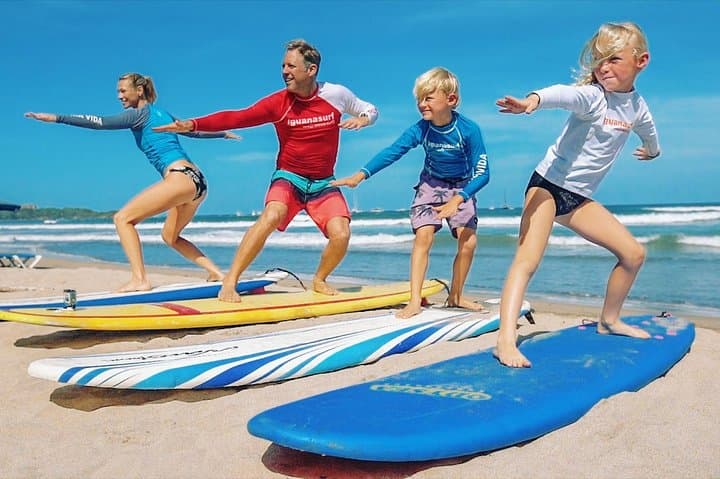
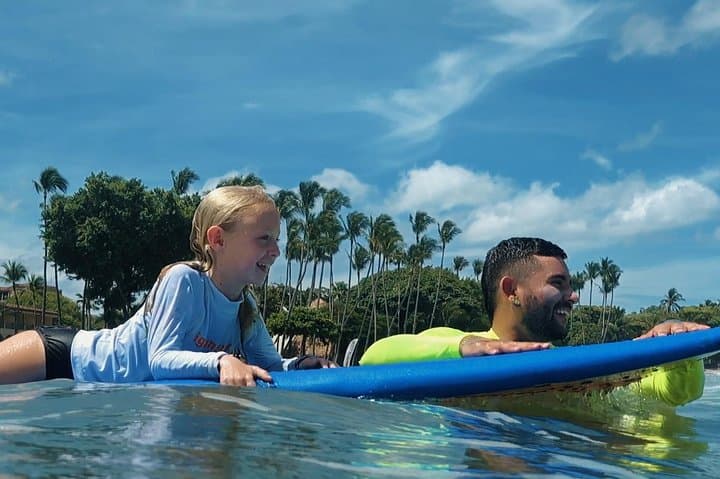
The sun warms the sand and the Pacific breathes a slow, steady rhythm as students paddle out from Tamarindo’s beach break. Foam boards bob like patient teachers; instructors stand waist-deep, voice clear over the surf, guiding timing, stance and safe exits. Within minutes the ocean goes from a horizon to an immediate teacher, pushing learners into the first wobbling rides.
Verified experiences and guided adventures in the surrounding area.
Operated by Iguana Turismo Aquatico · Tamarindo, Guanacaste
The sun warms the sand and the Pacific breathes a slow, steady rhythm as students paddle out from Tamarindo’s beach break. Foam boards bob like patient teachers; instructors stand waist-deep, voice clear over the surf, guiding timing, stance and safe exits. Within minutes the ocean goes from a horizon to an immediate teacher, pushing learners into the first wobbling rides.
Tamarindo became a surfing hub in the 1980s as travelers and expats recognized a reliable beach break with sandy bottoms and warm water—conditions that favor learners. The shoreline sits on volcanic rock and recent alluvial deposits, which shape a wide, gently sloping beach and predictable breaking patterns. Local culture blends fishing, eco-tourism and a surf community that supports lessons, rentals and conservation efforts for nearby turtle-nesting sites.
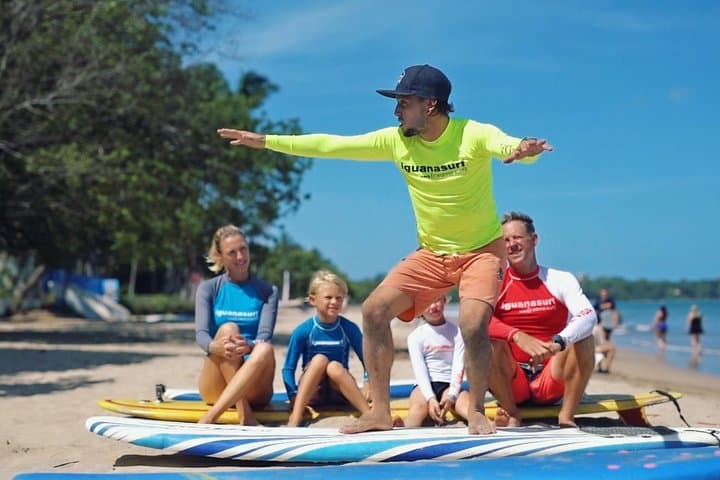
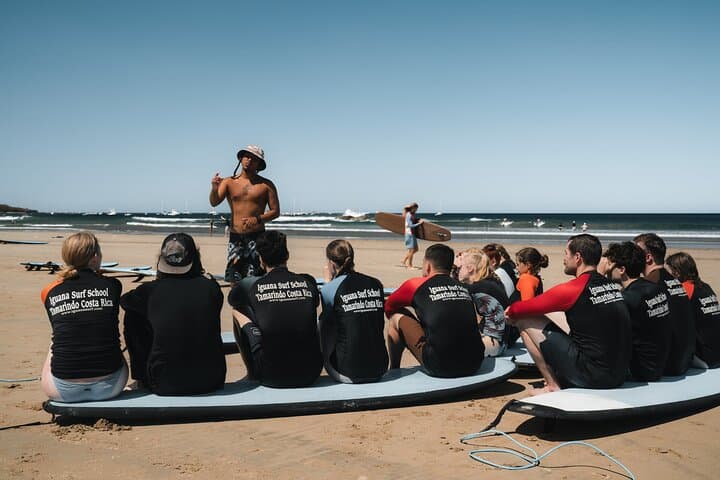
Practically, lessons run about 90 minutes and start with a land briefing: pop-ups, safety zones, and reading sets. In the water, instructors tailor tips to skill level, from paddling technique to timing the peak. Expect light currents, mostly knee- to shoulder-high waves for beginners; intermediate options are available as confidence grows.
Plan to arrive hydrated, sun-protected, and with a short warm-up. Wear snug swimwear and use a rash guard to avoid board chafe. Beginners should be comfortable in waist-deep water and able to float; instructors handle most teaching and safety, including CPR-trained staff. Lessons are popular—book ahead for morning windows when winds are lighter and waves are cleaner. Leave no trace: use reef-safe sunscreen, respect nesting zones, and hand back boards and gear washed and ready for the next rider.
moderate.
90 minutes.
Suitable for most fitness levels; participants should be comfortable in waist-deep ocean water and able to paddle and stand repeatedly.
Yes—participants should be comfortable in the ocean and able to float; instructors stay close and prioritize safety but swimming ability is required.
Children under 12 must book private lessons to ensure focused instruction and safety; older kids can join semi-private groups.
Lessons are generally scheduled unless conditions are unsafe; the operator notes all sales final, so check timing and communicate with the school ahead of arrival.
Yes—soft-top surfboard, rash guard, use of changing rooms, lockers and showers are included in the 90-minute lesson.
Tamarindo evolved from a fishing village into a surf and tourist hub in the 1980s, with surf schools establishing the town as a beginner-friendly destination.
Visitors should use reef-safe sunscreen and avoid marked nesting areas during turtle season; local operators often support beach clean-ups and sustainable tourism.
Iguana Turismo Aquatico operates guided outdoor trips and adventures with an emphasis on safety, stewardship, and memorable experiences.
The sun warms the sand and the Pacific breathes a slow, steady rhythm as students paddle out from Tamarindo’s beach break. Foam boards bob like patient teachers; instructors stand waist-deep, voice clear over the surf, guiding timing, stance and safe exits. Within minutes the ocean goes from a horizon to an immediate teacher, pushing learners into the first wobbling rides.
The sun warms the sand and the Pacific breathes a slow, steady rhythm as students paddle out from Tamarindo’s beach break. Foam boards bob like patient teachers; instructors stand waist-deep, voice clear over the surf, guiding timing, stance and safe exits. Within minutes the ocean goes from a horizon to an immediate teacher, pushing learners into the first wobbling rides.
Tamarindo became a surfing hub in the 1980s as travelers and expats recognized a reliable beach break with sandy bottoms and warm water—conditions that favor learners. The shoreline sits on volcanic rock and recent alluvial deposits, which shape a wide, gently sloping beach and predictable breaking patterns. Local culture blends fishing, eco-tourism and a surf community that supports lessons, rentals and conservation efforts for nearby turtle-nesting sites.
Practically, lessons run about 90 minutes and start with a land briefing: pop-ups, safety zones, and reading sets. In the water, instructors tailor tips to skill level, from paddling technique to timing the peak. Expect light currents, mostly knee- to shoulder-high waves for beginners; intermediate options are available as confidence grows.
Plan to arrive hydrated, sun-protected, and with a short warm-up. Wear snug swimwear and use a rash guard to avoid board chafe. Beginners should be comfortable in waist-deep water and able to float; instructors handle most teaching and safety, including CPR-trained staff. Lessons are popular—book ahead for morning windows when winds are lighter and waves are cleaner. Leave no trace: use reef-safe sunscreen, respect nesting zones, and hand back boards and gear washed and ready for the next rider.