THE ADVENTURE COLLECTIVE® · Independent discovery and booking for outdoor travel

Board a shared boat from Tamarindo for a four‑hour guided snorkeling trip over shallow reefs and rocky pinnacles. With PADI-certified guides, included snorkel gear and short, easy swims, this outing delivers colorful reef life and a clear picture of Guanacaste’s marine world.
Board a shared boat from Tamarindo for a four‑hour guided snorkeling trip over shallow reefs and rocky pinnacles. With PADI-certified guides, included snorkel gear and short, easy swims, this outing delivers colorful reef life and a clear picture of Guanacaste’s marine world.
The boat slips away from Tamarindo’s mangrove-fringed inlet while the town is still waking—only the gulls and the hum of the outboard to mark the morning.
Verified experiences and guided adventures in the surrounding area.
Operated by Seafari Costa Rica · Tamarindo, Guanacaste
The boat slips away from Tamarindo’s mangrove-fringed inlet while the town is still waking—only the gulls and the hum of the outboard to mark the morning.
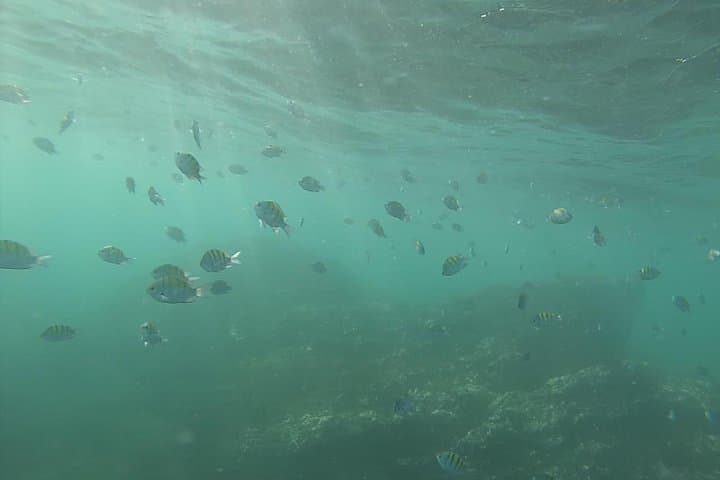
Within twenty minutes the shoreline recedes, and the water takes on the clean, malachite green of the Gulf of Papagayo. Guides trim the engine, hand out masks, and point to a dark line on the surface: the first reef ridge. At depths of up to 12 feet, the sea here is shallow enough to reveal coral collars, sculpted rock, and schools of juvenile tropical fish that dart like punctuation marks through the blue.
Geology and local history are visible in the water: the Guanacaste coast is a ledger of volcanic uplift, lava flows and eroded basalt that anchor the reefs. Those rocky shoulders host the reefs and pinnacles that attract pelagics when the currents shift—a pulse of life that fishermen and guides have read for generations. Tamarindo itself evolved from a quiet fishing village to a surf town and gateway to marine reserves such as Las Baulas, where conservation and tourism now share the coastline.
On this guided, shared-boat trip (maximum eight guests, minimum four), a PADI-certified instructor briefs the group on dynamics and safety, then guides short swims at multiple snorkeling gardens. Expect average visibility of 12–20 feet—clear enough to see parrotfish, damsels and the occasional juvenile pelagic species, with visibility best on calm, early-morning days.
Practicalities: the tour runs about four hours and typically departs at 7 a.m. from pick-up points in Tamarindo, Flamingo, Coco and Papagayo; participants meet at the boat for check-in. Equipment—mask, snorkel and fins—is provided, as are soft drinks and fresh fruit. Bring a passport (required for booking confirmation details), reef-safe sunscreen, a towel and a light rash guard. The tour recommends moderate fitness and basic snorkeling ability; it’s not intended for people with serious cardiovascular conditions.
Safety and sustainability are woven into the experience: guides emphasize no-touch rules, proper buoyancy around coral, and local protocols for marine life encounters. If you want calmer water and the best visibility, target the dry season mornings (December–April). Green-season afternoons bring plankton and more pelagics, but also choppier crossings.
For photographers, mid-morning surface light and short, shallow swims yield the sharpest underwater color. Above-water shots that include the boat and volcanic coastline give the sense of place. And, if the sea is playing kindly, don’t be surprised if an eagle ray or a green sea turtle makes a cameo.
moderate.
4 hours.
Participants should have a moderate level of fitness and be comfortable swimming short distances with snorkel gear.
Yes—mask, snorkel and fins are included; you may bring personal gear for fit and comfort.
Daily departures typically start at 7 a.m. with meet-up points in Tamarindo, Flamingo, Coco and Papagayo; confirm the exact meeting location at booking.
Children can join but must be accompanied by an adult; non‑swimmers may participate with a guide and flotation but should disclose skill level during briefing.
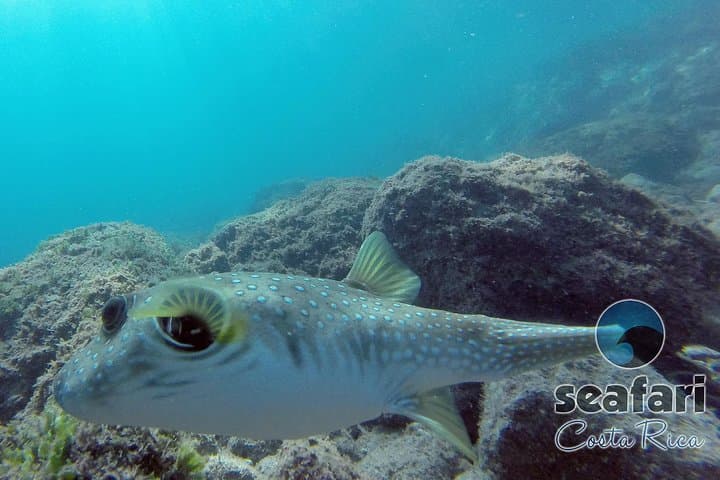
Common sightings include parrotfish, damselfish, juvenile pelagic species and, occasionally, green sea turtles or eagle rays depending on conditions.
All sales are final; tours can be canceled by the operator for bad weather or insufficient participants, per booking terms.
Yes—passport details are required at booking and you should bring your passport on the day of travel for verification.
The Guanacaste coast reflects volcanic uplift and fishing traditions; Tamarindo grew from a working village into a surf and marine‑tourism hub over recent decades.
Guides emphasize no‑touch and no‑take rules; use reef‑safe sunscreen and support local marine conservation efforts such as Las Baulas protection programs.
Seafari Costa Rica operates guided outdoor trips and adventures with an emphasis on safety, stewardship, and memorable experiences.
The boat slips away from Tamarindo’s mangrove-fringed inlet while the town is still waking—only the gulls and the hum of the outboard to mark the morning.
The boat slips away from Tamarindo’s mangrove-fringed inlet while the town is still waking—only the gulls and the hum of the outboard to mark the morning.
Within twenty minutes the shoreline recedes, and the water takes on the clean, malachite green of the Gulf of Papagayo. Guides trim the engine, hand out masks, and point to a dark line on the surface: the first reef ridge. At depths of up to 12 feet, the sea here is shallow enough to reveal coral collars, sculpted rock, and schools of juvenile tropical fish that dart like punctuation marks through the blue.
Geology and local history are visible in the water: the Guanacaste coast is a ledger of volcanic uplift, lava flows and eroded basalt that anchor the reefs. Those rocky shoulders host the reefs and pinnacles that attract pelagics when the currents shift—a pulse of life that fishermen and guides have read for generations. Tamarindo itself evolved from a quiet fishing village to a surf town and gateway to marine reserves such as Las Baulas, where conservation and tourism now share the coastline.
On this guided, shared-boat trip (maximum eight guests, minimum four), a PADI-certified instructor briefs the group on dynamics and safety, then guides short swims at multiple snorkeling gardens. Expect average visibility of 12–20 feet—clear enough to see parrotfish, damsels and the occasional juvenile pelagic species, with visibility best on calm, early-morning days.
Practicalities: the tour runs about four hours and typically departs at 7 a.m. from pick-up points in Tamarindo, Flamingo, Coco and Papagayo; participants meet at the boat for check-in. Equipment—mask, snorkel and fins—is provided, as are soft drinks and fresh fruit. Bring a passport (required for booking confirmation details), reef-safe sunscreen, a towel and a light rash guard. The tour recommends moderate fitness and basic snorkeling ability; it’s not intended for people with serious cardiovascular conditions.
Safety and sustainability are woven into the experience: guides emphasize no-touch rules, proper buoyancy around coral, and local protocols for marine life encounters. If you want calmer water and the best visibility, target the dry season mornings (December–April). Green-season afternoons bring plankton and more pelagics, but also choppier crossings.
For photographers, mid-morning surface light and short, shallow swims yield the sharpest underwater color. Above-water shots that include the boat and volcanic coastline give the sense of place. And, if the sea is playing kindly, don’t be surprised if an eagle ray or a green sea turtle makes a cameo.