
Tamarindo River Boat Tour: Mangrove Wildlife Cruise from Tamarindo
Glide upriver through Las Baulas’ mangroves for close-up views of crocodiles, howler monkeys and vibrant wading birds. This two-hour bilingual boat tour from Tamarindo offers easy access to rich estuarine wildlife and photo-ready moments.
An Adventure In Tamarindo.
Glide upriver through Las Baulas’ mangroves for close-up views of crocodiles, howler monkeys and vibrant wading birds. This two-hour bilingual boat tour from Tamarindo offers easy access to rich estuarine wildlife and photo-ready moments.
Read the full experience
Dawn lifts off the Pacific and the Tamarindo River answers — the brackish current pushing the boat gently upriver while mangrove roots reach like hands for the hull. Green parrots call overhead, howler monkeys trade echoes through the treetops, and a crocodile basks with a slow, deliberate stillness on the bank.
Dawn lifts off the Pacific and the Tamarindo River answers — the brackish current pushing the boat gently upriver while mangrove roots reach like hands for the hull. Green parrots call overhead, howler monkeys trade echoes through the treetops, and a crocodile basks with a slow, deliberate stillness on the bank.
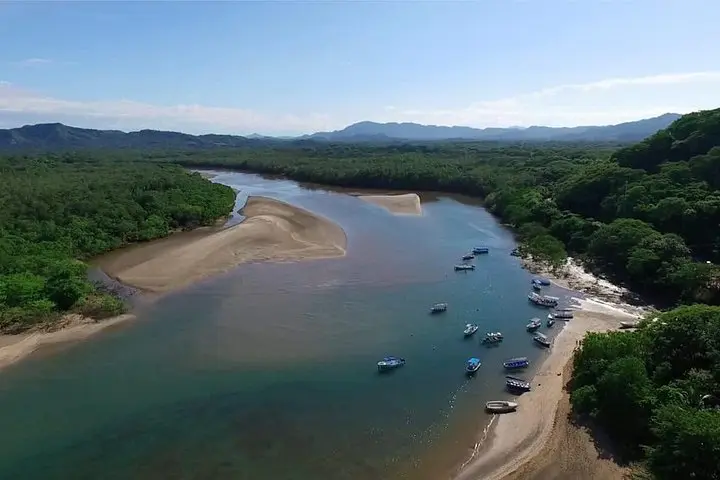
This two-hour cruise threads through Las Baulas National Marine Park’s estuary system, where volcanic sands and coastal sediments build the shallow channels. The mangroves function as nursery and filter; orchids and epiphytes cling to trunks, and the habitat supports wading birds, iguanas and mammals that made this coast home long before tourism. Locals historically fished these waters and coastal communities still read tides and seasons for nesting leatherback turtles on nearby beaches.
Expect intimate wildlife encounters rather than high-speed thrills: boats move slowly to avoid disturbing birds while guides point out species and explain tidal patterns. Photographers get long lenses ready — many sightings happen within 10–30 meters. The river’s character changes with the tide; at low water channels narrow and mud flats reveal crabs and shorebirds, at high tide currents deepen and crocodiles may slip silently alongside.
Practicalities: departures are bilingual and last about two hours, with room for about a dozen guests. Wear sun protection and insect repellent, bring a lightweight rain layer in the wet season, and keep movement deliberate around wildlife — do not attempt to touch or feed animals. Morning trips maximize bird activity and light; afternoons can be warmer but still rewarding. This is an easy, accessible introduction to Costa Rica’s coastal mangrove ecosystem with strong photo potential.
Frequently asked questions
Guides maintain a safe distance and will maneuver the boat for clear viewing; crocodiles may sun on banks or slip into the water but are not approached or fed.
Yes — the cruise is rated easy and suitable for most ages, though small children should remain seated and supervised on the boat.
Light, sun-protective clothing, a hat, sunscreen, binoculars, and a small camera bag; a rain jacket is useful in the wet season.
Departures are minutes from central Tamarindo and the tour is approximately two hours; check your booking for exact pickup or meeting point details.
About This Experience
Nacho Tours operates guided outdoor trips and adventures with an emphasis on safety, stewardship, and memorable experiences.
Adventure tips
Recommended gear
- Binoculars: Helps spot birds and crocodiles in tight mangrove channels.
- Light rain jacket: Useful in the wet season when sudden tropical showers are common.
- Telephoto camera lens (200mm+): Improves wildlife photos from the boat without disturbing animals.
- Insect repellent: Keeps mosquitoes and sandflies at bay in mangrove and estuary environments.
Photos of the experience
Related adventures & guides
Read the full experience
Dawn lifts off the Pacific and the Tamarindo River answers — the brackish current pushing the boat gently upriver while mangrove roots reach like hands for the hull. Green parrots call overhead, howler monkeys trade echoes through the treetops, and a crocodile basks with a slow, deliberate stillness on the bank.
Dawn lifts off the Pacific and the Tamarindo River answers — the brackish current pushing the boat gently upriver while mangrove roots reach like hands for the hull. Green parrots call overhead, howler monkeys trade echoes through the treetops, and a crocodile basks with a slow, deliberate stillness on the bank.
This two-hour cruise threads through Las Baulas National Marine Park’s estuary system, where volcanic sands and coastal sediments build the shallow channels. The mangroves function as nursery and filter; orchids and epiphytes cling to trunks, and the habitat supports wading birds, iguanas and mammals that made this coast home long before tourism. Locals historically fished these waters and coastal communities still read tides and seasons for nesting leatherback turtles on nearby beaches.
Expect intimate wildlife encounters rather than high-speed thrills: boats move slowly to avoid disturbing birds while guides point out species and explain tidal patterns. Photographers get long lenses ready — many sightings happen within 10–30 meters. The river’s character changes with the tide; at low water channels narrow and mud flats reveal crabs and shorebirds, at high tide currents deepen and crocodiles may slip silently alongside.
Practicalities: departures are bilingual and last about two hours, with room for about a dozen guests. Wear sun protection and insect repellent, bring a lightweight rain layer in the wet season, and keep movement deliberate around wildlife — do not attempt to touch or feed animals. Morning trips maximize bird activity and light; afternoons can be warmer but still rewarding. This is an easy, accessible introduction to Costa Rica’s coastal mangrove ecosystem with strong photo potential.
Make a day of it nearby.
Verified experiences and guided adventures in the surrounding area.