THE ADVENTURE COLLECTIVE® · Independent discovery and booking for outdoor travel

Fast-paced, practical, and intensive, the Tamarindo Rescue Diver Course trains you to prevent and manage diving incidents through hands-on scenarios and teamwork. Ideal for open-water divers ready to step up, this 2–3 day program focuses on real-world skills you’ll use on every dive trip.
Fast-paced, practical, and intensive, the Tamarindo Rescue Diver Course trains you to prevent and manage diving incidents through hands-on scenarios and teamwork. Ideal for open-water divers ready to step up, this 2–3 day program focuses on real-world skills you’ll use on every dive trip.
You leave Tamarindo’s main road before dawn, the Pacific still a black ribbon beyond the reef. Salt and diesel mix in the air as the boat slips past breakers; the sea tests your attention from the first minute. Over the next 2–3 days you'll trade leisurely holiday dives for focused scenarios—simulated panicked divers, tows, missing diver searches and surface-management drills—each designed to sharpen your situational awareness and team communication.
Verified experiences and guided adventures in the surrounding area.
Operated by TamaDive Dive Center · Tamarindo, Guanacaste
You leave Tamarindo’s main road before dawn, the Pacific still a black ribbon beyond the reef. Salt and diesel mix in the air as the boat slips past breakers; the sea tests your attention from the first minute. Over the next 2–3 days you'll trade leisurely holiday dives for focused scenarios—simulated panicked divers, tows, missing diver searches and surface-management drills—each designed to sharpen your situational awareness and team communication.
Costa Rica’s Guanacaste coast has a practical maritime history—fishing villages and long-haul mariners shaped local attitudes toward the ocean—and the volcanic geology offshore creates reefs and rock formations that channel currents and concentrate marine life. Tamarindo itself grew from a fishing hamlet into a surf and dive hub; instructors here blend international training standards with local buoy-handling and current-reading experience you won’t get from a textbook.
Expect a mix of classroom theory (usually completed beforehand), confined-water reviews, and at least a couple of open-water scenarios in shallow to moderate depths where visibility and currents vary with tide. The course emphasizes prevention, emergency response, and teamwork: breathing emergencies, non-breathing diver retrievals, and incident management from first response through handoff.
Practical pointers: arrive rested and hydrated for early departures (meeting time often near 6:15 a.m.), bring a logbook and certification cards if you have them, and plan for three full days with active drills that are physically and mentally demanding. The operator supplies scuba gear and bottled water; wear a shorty or 3mm suit in dry-season temperatures and be ready to adapt in the rainy season. This is a training step that pays dividends in confidence and competence on every subsequent dive.
moderate.
2–3 days.
Moderate physical fitness: able to perform rescues, tows, and prolonged surface swims; comfortable in currents.
Yes—most operators require an open-water certification and recent dive experience; you’ll need basic buoyancy and mask-clearing skills.
Expect moderate to high exertion: tows, lifts and extended surface swims are part of the curriculum; good cardiovascular health is recommended.
Yes—use of standard scuba equipment is typically included, but bringing your own mask/snorkel/fins is recommended for fit and comfort.
Operators may cancel or reschedule for safety if conditions are poor (heavy rain, strong currents); check cancellation windows—often 24 hours for a full refund.
Tamarindo transitioned from a fishing settlement to a surf and dive destination in the late 20th century, with local fishermen contributing knowledge of currents and reefs that informs modern dive operations.
Marine conservation zones and seasonal fishing closures protect reef habitats here; students are encouraged to practice low-impact diving and support local reef-clean efforts.
TamaDive Dive Center operates guided outdoor trips and adventures with an emphasis on safety, stewardship, and memorable experiences.
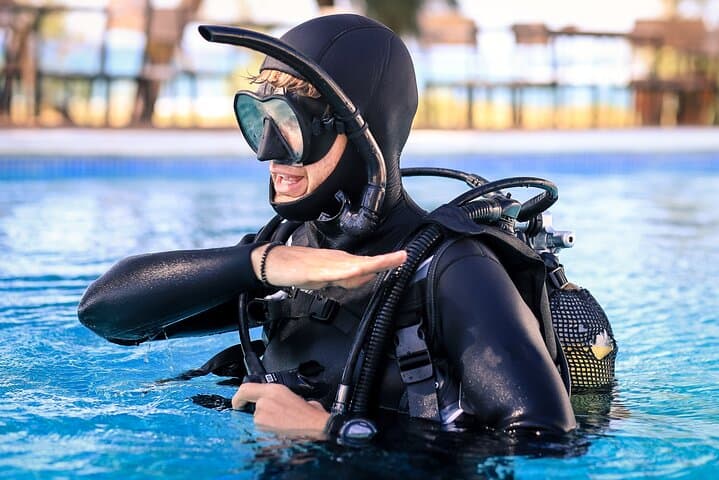
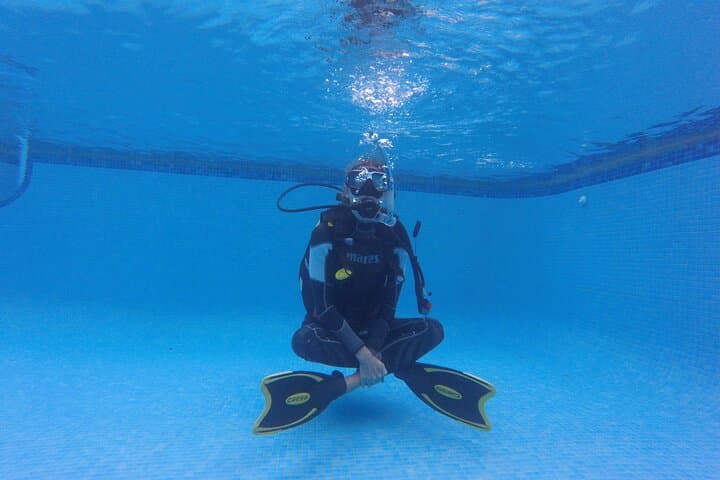
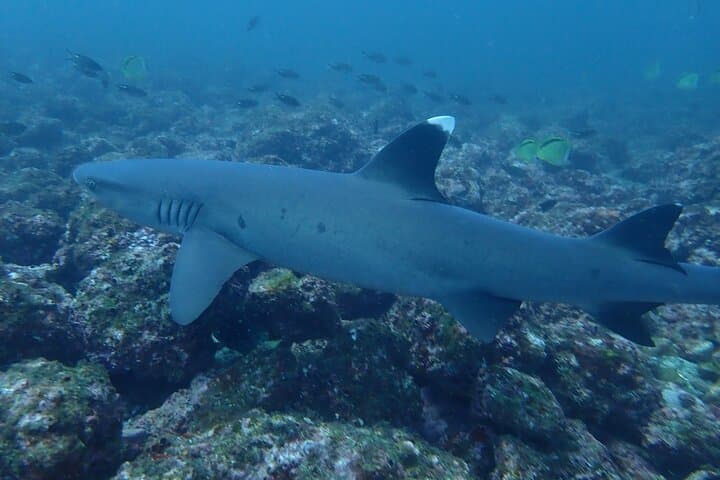
You leave Tamarindo’s main road before dawn, the Pacific still a black ribbon beyond the reef. Salt and diesel mix in the air as the boat slips past breakers; the sea tests your attention from the first minute. Over the next 2–3 days you'll trade leisurely holiday dives for focused scenarios—simulated panicked divers, tows, missing diver searches and surface-management drills—each designed to sharpen your situational awareness and team communication.
You leave Tamarindo’s main road before dawn, the Pacific still a black ribbon beyond the reef. Salt and diesel mix in the air as the boat slips past breakers; the sea tests your attention from the first minute. Over the next 2–3 days you'll trade leisurely holiday dives for focused scenarios—simulated panicked divers, tows, missing diver searches and surface-management drills—each designed to sharpen your situational awareness and team communication.
Costa Rica’s Guanacaste coast has a practical maritime history—fishing villages and long-haul mariners shaped local attitudes toward the ocean—and the volcanic geology offshore creates reefs and rock formations that channel currents and concentrate marine life. Tamarindo itself grew from a fishing hamlet into a surf and dive hub; instructors here blend international training standards with local buoy-handling and current-reading experience you won’t get from a textbook.
Expect a mix of classroom theory (usually completed beforehand), confined-water reviews, and at least a couple of open-water scenarios in shallow to moderate depths where visibility and currents vary with tide. The course emphasizes prevention, emergency response, and teamwork: breathing emergencies, non-breathing diver retrievals, and incident management from first response through handoff.
Practical pointers: arrive rested and hydrated for early departures (meeting time often near 6:15 a.m.), bring a logbook and certification cards if you have them, and plan for three full days with active drills that are physically and mentally demanding. The operator supplies scuba gear and bottled water; wear a shorty or 3mm suit in dry-season temperatures and be ready to adapt in the rainy season. This is a training step that pays dividends in confidence and competence on every subsequent dive.