THE ADVENTURE COLLECTIVE® · Independent discovery and booking for outdoor travel

Paddle through mangrove channels and lowland tropical forest inside Las Baulas National Park. This two-hour kayak tour from Langosta combines calm estuary paddling, wildlife viewing and a short hike to explore Costa Rica’s coastal biodiversity.
Paddle through mangrove channels and lowland tropical forest inside Las Baulas National Park. This two-hour kayak tour from Langosta combines calm estuary paddling, wildlife viewing and a short hike to explore Costa Rica’s coastal biodiversity.
Morning light slices through the mangrove canopy as single-file kayaks push off from a narrow, root-lined channel. Water glints like metal; birds chatter in the treetops while the guide points out a shadow slipping between mangrove knees — an iguana, motionless as a statue. The river here feels deliberate, directing your pace and your attention.
Verified experiences and guided adventures in the surrounding area.
Operated by Side by Side ATV Tours & WILD LIFE · Tamarindo, Guanacaste
Morning light slices through the mangrove canopy as single-file kayaks push off from a narrow, root-lined channel. Water glints like metal; birds chatter in the treetops while the guide points out a shadow slipping between mangrove knees — an iguana, motionless as a statue. The river here feels deliberate, directing your pace and your attention.
This short paddle runs along the estuary systems that fringe Parque Nacional Marino Las Baulas de Guanacaste, a protected marine reserve better known for leatherback turtle nesting on nearby beaches. Geologically the coast is a mosaic of mangrove estuaries, sandbars and lowland tropical forest carved by tidal rhythms. Culturally, the area blends small fishing communities and ecotourism; guides are typically bilingual and conservation-minded.
Expect about two hours on the water with calm tidal channels, occasional narrow passages and a 25-minute shore hike through lowland tropical forest to scout flora and birdlife. Terrain underfoot on the hike is flat but can be muddy; paddling demands steady balance rather than advanced technique. Wildlife commonly seen includes herons, egrets, iguanas and several monkey species; silence and slow movement yield the best sightings.
Practical notes: check tide timing, wear quick-dry clothing and reef-safe sunscreen, bring water and insect repellent, and secure loose gear in dry bags. Tours run year-round but the experience shifts with seasons — lower rivers and brighter skies in the dry months, lusher canopies and fuller channels in the rainy season. Guides emphasize no-touch wildlife rules and leave-no-trace practices to protect nesting habitat and mangrove ecology.
easy.
2–3 hours.
Suitable for travelers in reasonable health; requires basic balance and the ability to paddle for two hours and walk for 25 minutes on flat, potentially muddy terrain.
No—this is a beginner-friendly tour; guides give safety instruction and basic paddling tips before launching.
Many operators allow children but age and weight limits may apply; check with the provider and expect single or tandem kayaks based on size.
Tours may run in light rain; heavy rain or unsafe conditions can prompt cancellation and a full refund if within the operator’s policy.
Leatherback turtles nest in Las Baulas but are more commonly seen at night during nesting season; this estuary tour focuses on birds, iguanas and monkeys rather than turtle sightings.
Las Baulas National Park was created to protect critical nesting beaches for leatherback sea turtles and the adjacent coastal ecosystems that support fisheries and local communities.
Follow guide instructions to avoid disturbing wildlife, use reef-safe products, and minimize single-use plastics—these practices help protect nesting turtles and fragile mangrove roots.
Side by Side ATV Tours & WILD LIFE operates guided outdoor trips and adventures with an emphasis on safety, stewardship, and memorable experiences.
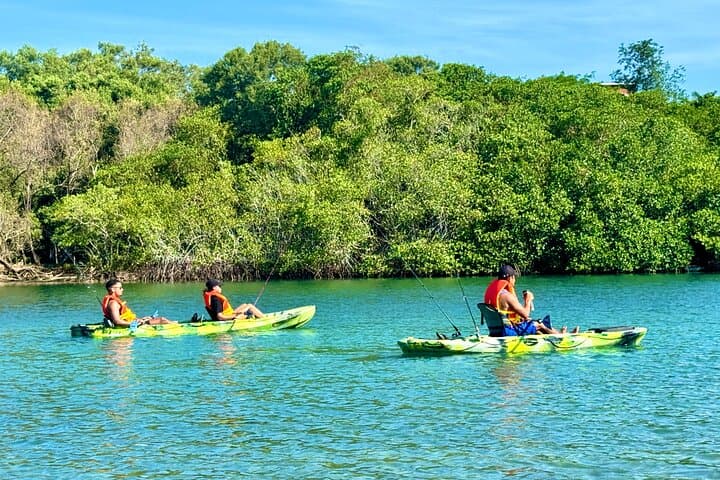
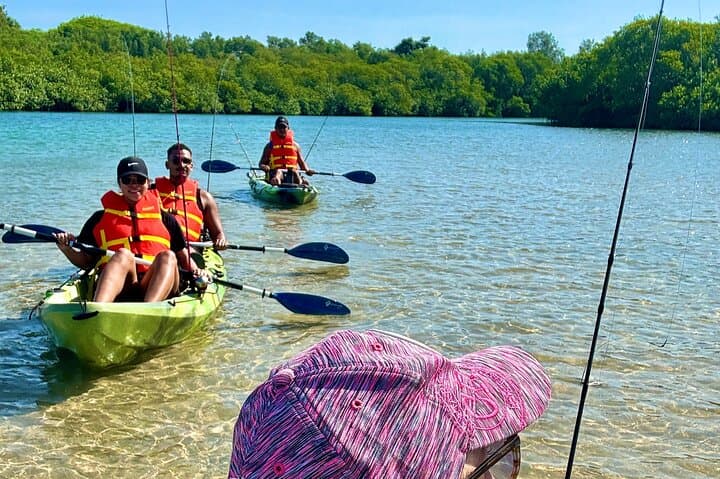
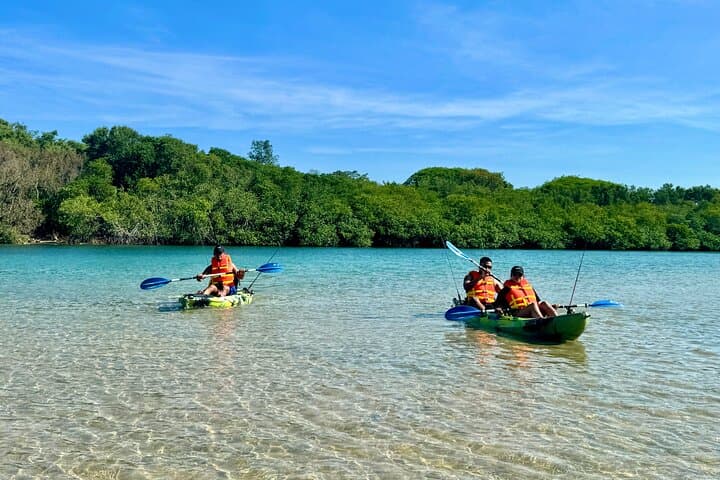
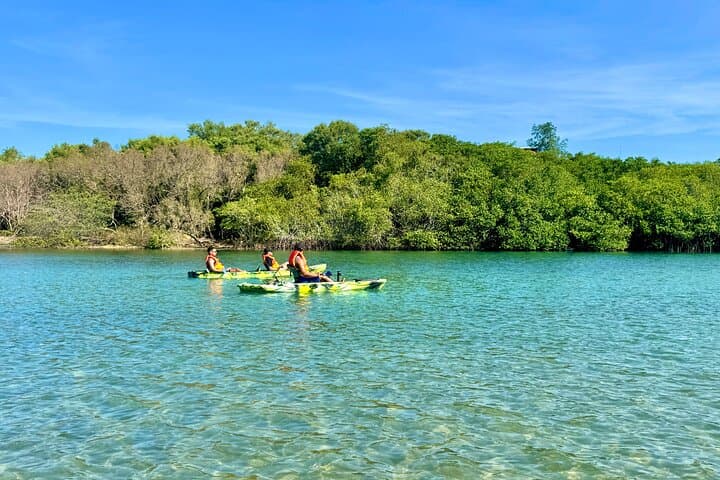
Morning light slices through the mangrove canopy as single-file kayaks push off from a narrow, root-lined channel. Water glints like metal; birds chatter in the treetops while the guide points out a shadow slipping between mangrove knees — an iguana, motionless as a statue. The river here feels deliberate, directing your pace and your attention.
Morning light slices through the mangrove canopy as single-file kayaks push off from a narrow, root-lined channel. Water glints like metal; birds chatter in the treetops while the guide points out a shadow slipping between mangrove knees — an iguana, motionless as a statue. The river here feels deliberate, directing your pace and your attention.
This short paddle runs along the estuary systems that fringe Parque Nacional Marino Las Baulas de Guanacaste, a protected marine reserve better known for leatherback turtle nesting on nearby beaches. Geologically the coast is a mosaic of mangrove estuaries, sandbars and lowland tropical forest carved by tidal rhythms. Culturally, the area blends small fishing communities and ecotourism; guides are typically bilingual and conservation-minded.
Expect about two hours on the water with calm tidal channels, occasional narrow passages and a 25-minute shore hike through lowland tropical forest to scout flora and birdlife. Terrain underfoot on the hike is flat but can be muddy; paddling demands steady balance rather than advanced technique. Wildlife commonly seen includes herons, egrets, iguanas and several monkey species; silence and slow movement yield the best sightings.
Practical notes: check tide timing, wear quick-dry clothing and reef-safe sunscreen, bring water and insect repellent, and secure loose gear in dry bags. Tours run year-round but the experience shifts with seasons — lower rivers and brighter skies in the dry months, lusher canopies and fuller channels in the rainy season. Guides emphasize no-touch wildlife rules and leave-no-trace practices to protect nesting habitat and mangrove ecology.