THE ADVENTURE COLLECTIVE® · Independent discovery and booking for outdoor travel

Float through Tamarindo’s mangrove corridors on a 2‑hour boat safari that threads Ramsar‑designated wetlands. Expect close wildlife encounters, bilingual guiding, and tide‑dependent departure times—ideal for families and first‑time nature viewers.
Float through Tamarindo’s mangrove corridors on a 2‑hour boat safari that threads Ramsar‑designated wetlands. Expect close wildlife encounters, bilingual guiding, and tide‑dependent departure times—ideal for families and first‑time nature viewers.
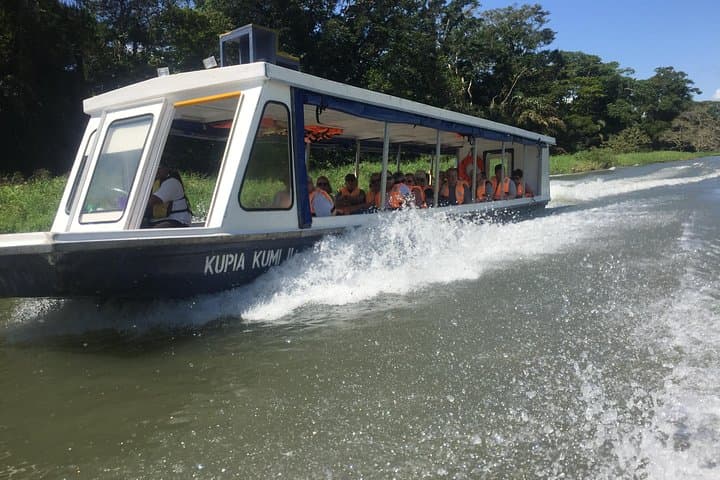
The boat slips away from Tamarindo beach and the mangroves close around you like a living corridor—roots and sunlight trading places across the water while birds chatter overhead.
Verified experiences and guided adventures in the surrounding area.
Operated by Guanacaste Adventure & Travel · Tamarindo, Guanacaste
The boat slips away from Tamarindo beach and the mangroves close around you like a living corridor—roots and sunlight trading places across the water while birds chatter overhead.
This 1 hour 45 minute estuary ride moves through one of Costa Rica’s internationally recognized Ramsar wetlands, where six species of mangrove create a brackish web between ocean and river. Geologically, these sediment-rich channels are recent on the scale of millennia, building coastline and sheltering nurseries for fish. Culturally the estuary has supported small fishing communities for generations and is now protected as part of the region’s wetland conservation network.
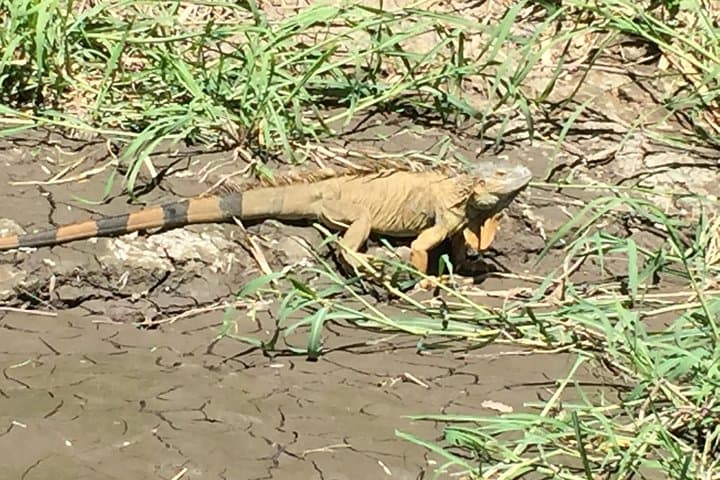
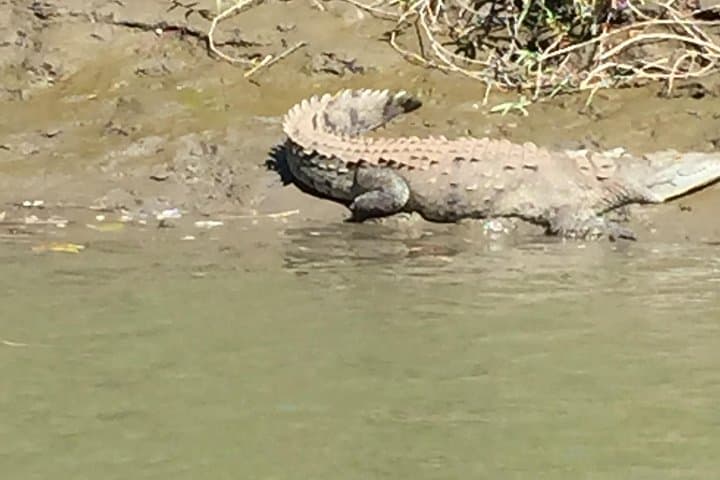
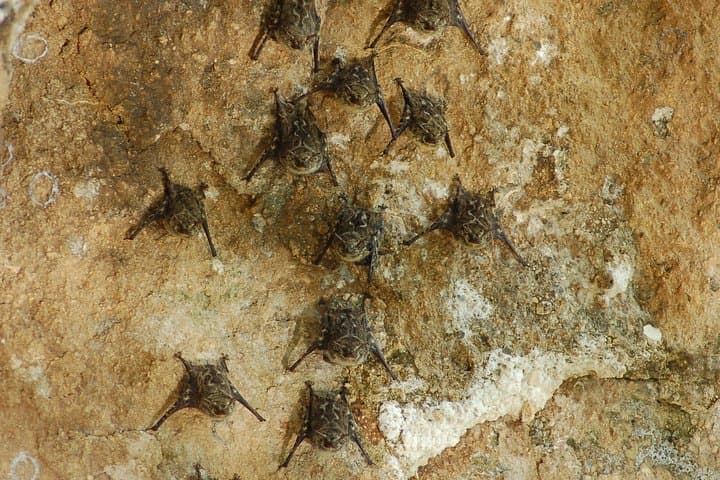
Expect close views of howler monkeys threading the canopy, iguanas sunning on exposed roots, and the occasional American crocodile slipping beneath the surface—wildlife that treats the channels as both pantry and highway. The guide will point out bird colonies, explain tidal timing, and steer side channels where sightings concentrate.
Practical note: departures depend on high tide, so times can shift; boats have shaded roofs, water, and fruit provided. Wear reef-safe sunscreen, a brimmed hat, and closed sandals that grip wet docks. Bring binoculars and a light wind layer for early mornings or late afternoons. Photography is easiest from the quieter side channels; keep hands inside the boat and follow the guide’s distance rules around animals.
This tour is short on effort and big on observation—an accessible way to read the estuary’s rhythms and see why mangroves matter.
easy.
1.5–2 hours.
Suitable for all fitness levels; requires only short periods of standing and easy boat entry/exit.
The experience runs about 1 hour 45 minutes; meet on Tamarindo Beach roughly 300 meters west of Automercado on the right side where the captain boards the boat.
Yes—this low‑effort boat ride is suitable for kids and most ages; parents should supervise near boat edges and docks.
Sightings are common but not guaranteed; the estuary supports howler monkeys, iguanas, crocodiles, and many waterbirds, with the best views in quieter side channels.
No—transportation to the meeting point is not included; public transport and local taxis are available in Tamarindo.
The Tamarindo estuary is part of a Ramsar‑designated wetland and has long supported coastal fishing communities; protection efforts focus on mangrove conservation and nursery habitats.
Mangroves stabilize the coastline and filter water; keep to marked channels, avoid disturbing wildlife, and use reef‑safe sunscreens to reduce local impacts.
Guanacaste Adventure & Travel operates guided outdoor trips and adventures with an emphasis on safety, stewardship, and memorable experiences.
The boat slips away from Tamarindo beach and the mangroves close around you like a living corridor—roots and sunlight trading places across the water while birds chatter overhead.
The boat slips away from Tamarindo beach and the mangroves close around you like a living corridor—roots and sunlight trading places across the water while birds chatter overhead.
This 1 hour 45 minute estuary ride moves through one of Costa Rica’s internationally recognized Ramsar wetlands, where six species of mangrove create a brackish web between ocean and river. Geologically, these sediment-rich channels are recent on the scale of millennia, building coastline and sheltering nurseries for fish. Culturally the estuary has supported small fishing communities for generations and is now protected as part of the region’s wetland conservation network.
Expect close views of howler monkeys threading the canopy, iguanas sunning on exposed roots, and the occasional American crocodile slipping beneath the surface—wildlife that treats the channels as both pantry and highway. The guide will point out bird colonies, explain tidal timing, and steer side channels where sightings concentrate.
Practical note: departures depend on high tide, so times can shift; boats have shaded roofs, water, and fruit provided. Wear reef-safe sunscreen, a brimmed hat, and closed sandals that grip wet docks. Bring binoculars and a light wind layer for early mornings or late afternoons. Photography is easiest from the quieter side channels; keep hands inside the boat and follow the guide’s distance rules around animals.
This tour is short on effort and big on observation—an accessible way to read the estuary’s rhythms and see why mangroves matter.